 ← All stories
 Florence's wine windows — the buchette del vino, demystified
Cellar-to-street wine hatches cut into palazzo walls in the 1500s. Plague-proof in 1630. Quietly re-opened in 2020. Where to find a working one today.
Cellar-to-street wine hatches cut into palazzo walls in the 1500s. Plague-proof in 1630. Quietly re-opened in 2020. Where to find a working one today.
What they actually are
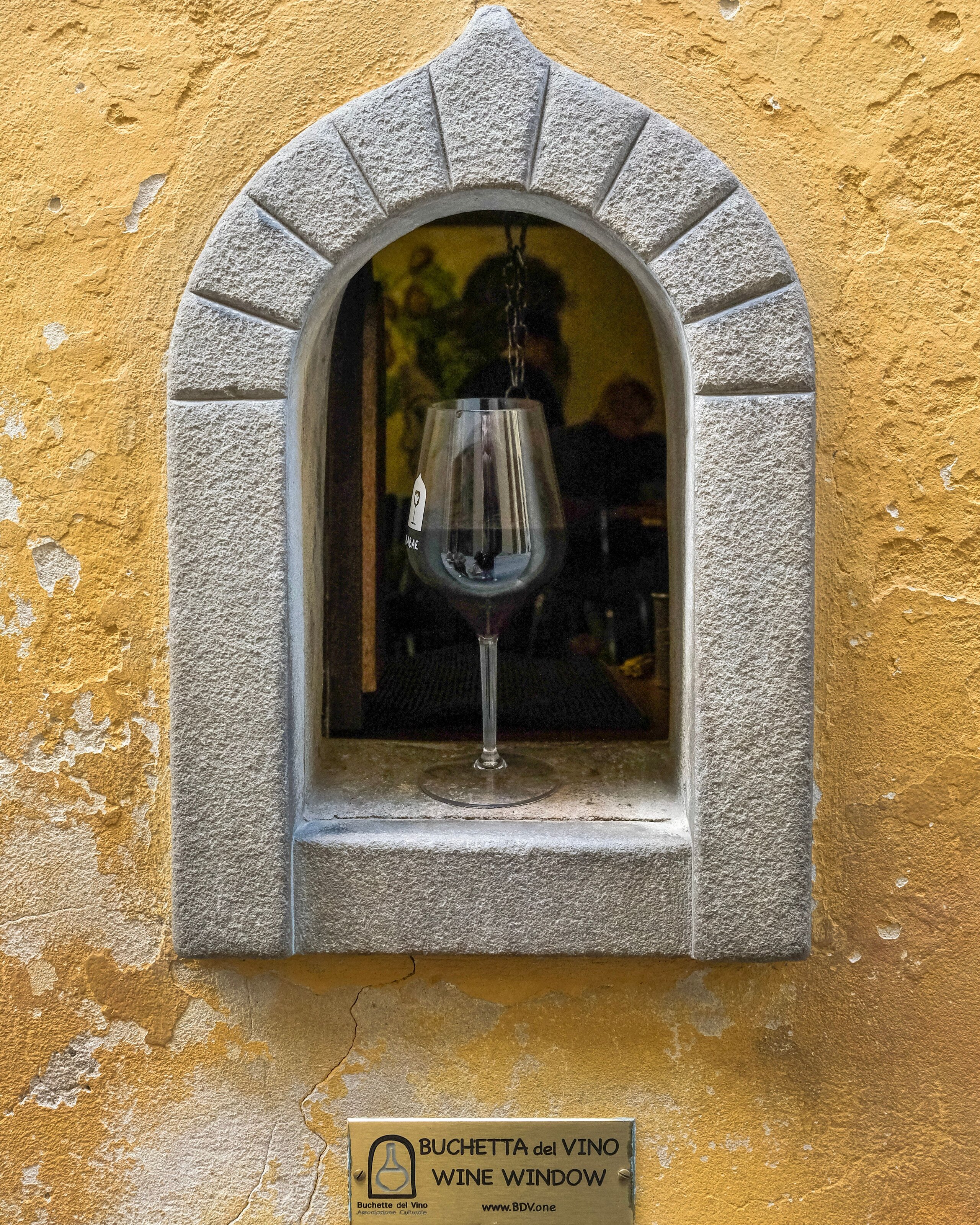
A wine window is a permanent architectural feature, not an installation. Most are framed in pietra serena (the soft grey sandstone of Florentine buildings), arched at the top, fitted with a small wooden door that opens outwards onto the street. The opening is wide enough to pass a fiasco of Chianti or a single glass — not much more. Several still carry their original hand-painted Latin opening hours above the arch: Orario di vendita del vino — dalle ore X alle ore Y.
There are roughly 180 documented surviving buchette in Florence's historic centre, with another ~120 across the Oltrarno, Santo Spirito, and the wider Mugello and Chianti countryside. The densest concentration is between the Duomo and Santa Croce, where the great trading families built their townhouses. Most are now bricked up or fitted as letterboxes; a handful are still active wine hatches.
A short history
The buchette appeared in the second half of the 1500s. Cosimo I de' Medici's 1559 tax reform allowed Florentine landowners to sell their own estate wine direct from their townhouse cellars, bypassing the city's wine merchants and (most of) the wine tax. The catch was that the sale had to happen at a clearly demarcated point in the building — not a shopfront, not a tavern, but a single hatch with regulated hours.
The mechanics were straightforward. A customer arrived at the palazzo wall, knocked or rang a small bell, slid a flask and the price in coins through the hatch, and waited. Inside the cellar, a servant or family member filled the flask from the estate's barrels and returned it. Empty flask exchanged for full flask, coins exchanged for nothing. No physical contact, no shop, no social ranking visible — a duke's son and a stonemason both bought wine at the same buchetta on the same terms.
By the early 1600s the system was so embedded that some of the great families (the Antinori, the Frescobaldi, the Capponi — all still in wine production today) had multiple buchette across their various Florence properties, each carrying the family arms above the arch.
The plague that proved them right
The 1630–31 plague of Florence killed roughly 12% of the city's population. The buchette del vino became, accidentally, the most epidemiologically sound retail format in the city. The hatch was small enough to pass goods through but too small for a customer to enter, the exchange was contactless, and Francesco Rondinelli's 1634 account of the plague specifically describes wine being passed through the buchette with the coins disinfected in vinegar before being received.
The same architectural feature that had been designed to dodge wine tax turned out to be a public-health interface. Some Florentine families donated bread and wine through their buchette to passers-by during the plague months. The detail survives in a handful of contemporary diaries and in one surviving inscription above a buchetta on Via dell'Isola delle Stinche.
Decline, near-extinction, and the COVID revival
The buchette went out of regular use in the late 19th century as Florentine retail moved into proper shopfronts and as Italian wine sales got formal. By 1950 most were bricked up. The Buchette del Vino Cultural Association (Associazione Buchette del Vino), founded in 2015 by a small group of Florentine historians, began the work of cataloguing every surviving hatch — they have mapped just over 280 — and lobbying owners to preserve them.
In April 2020, during the first Tuscan COVID lockdown, the journalist Diletta Corsini posted a photograph of a centuries-old buchetta on Via dell'Isola delle Stinche briefly back in use — a glass of wine being passed through it to a masked customer on the street. The image was widely shared. Within weeks, four or five Florentine wine bars with surviving buchette had reopened them officially: pour a glass of wine inside, slide it out through the hatch, contactless and tax-paid this time. The pattern persisted past the pandemic.
Today, the working buchette serve gelato, espresso and the occasional spritz as well as wine. The architectural feature is now a small Florentine industry of its own.
Where to find a working one today
Five reliable, currently-operating buchette in the historic centre:
Vivoli (Via dell'Isola delle Stinche, 7r). The buchetta that started the 2020 revival. Vivoli is the oldest gelateria in Florence (1930) but the wine window itself dates to the 1600s. Espresso, gelato, and a glass of Vin Santo all served through the hatch from roughly 9am to 7pm. Cash only at the hatch.
Babae (Via Santo Spirito, 21r). Oltrarno wine bar in the Capponi family's old palazzo. The buchetta opens for wine service 7pm–9pm only, by tradition. €5–€8 a glass, mostly Tuscan reds. Sit on the curb opposite.
Osteria delle Brache (Piazza Peruzzi, 1r). The smallest of the active hatches — barely fist-sized. Wine service at lunch (12pm–3pm) and dinner (7pm–10pm). The cellar inside is a 14th-century vaulted room.
All'Antico Vinaio (Via dei Neri, 65r). Famous for the schiacciata sandwiches, less famous for the buchetta tucked into the adjacent palazzo wall — used for take-away wine while you queue for the sandwich. Look up and to the left of the main entrance.
Caffè-bar Cantinetta del Verrazzano (Via dei Tavolini, 18–20r). Owned by the Verrazzano family of Castello di Verrazzano in Chianti. The hatch opens onto a side street; the staff pour straight from the cellar of estate wines below. Look for the small hand-painted sign reading vino.
How to use one
Order through the hatch, not through the door. The whole point is the exchange through the wall — staff inside the bar may direct you out to the street if you walk in by mistake.
Cash is easier. A few hatches now accept contactless payment on a small reader hung outside, but cash (a €5 or €10 note) is what most are still set up for.
Pay attention to the hours. Several of the historic buchette have original Latin or Italian hours painted above the arch — those are often still observed. Babae's 7–9pm window is real and strictly enforced.
Glass goes back through the hatch. When you finish, slide the empty glass back the way it came. The staff inside will collect it.
Don't lean on the wall. Most buchette are in 500-year-old pietra serena. The frame is fragile in places. Stand back a half-step.
A self-guided walking tour
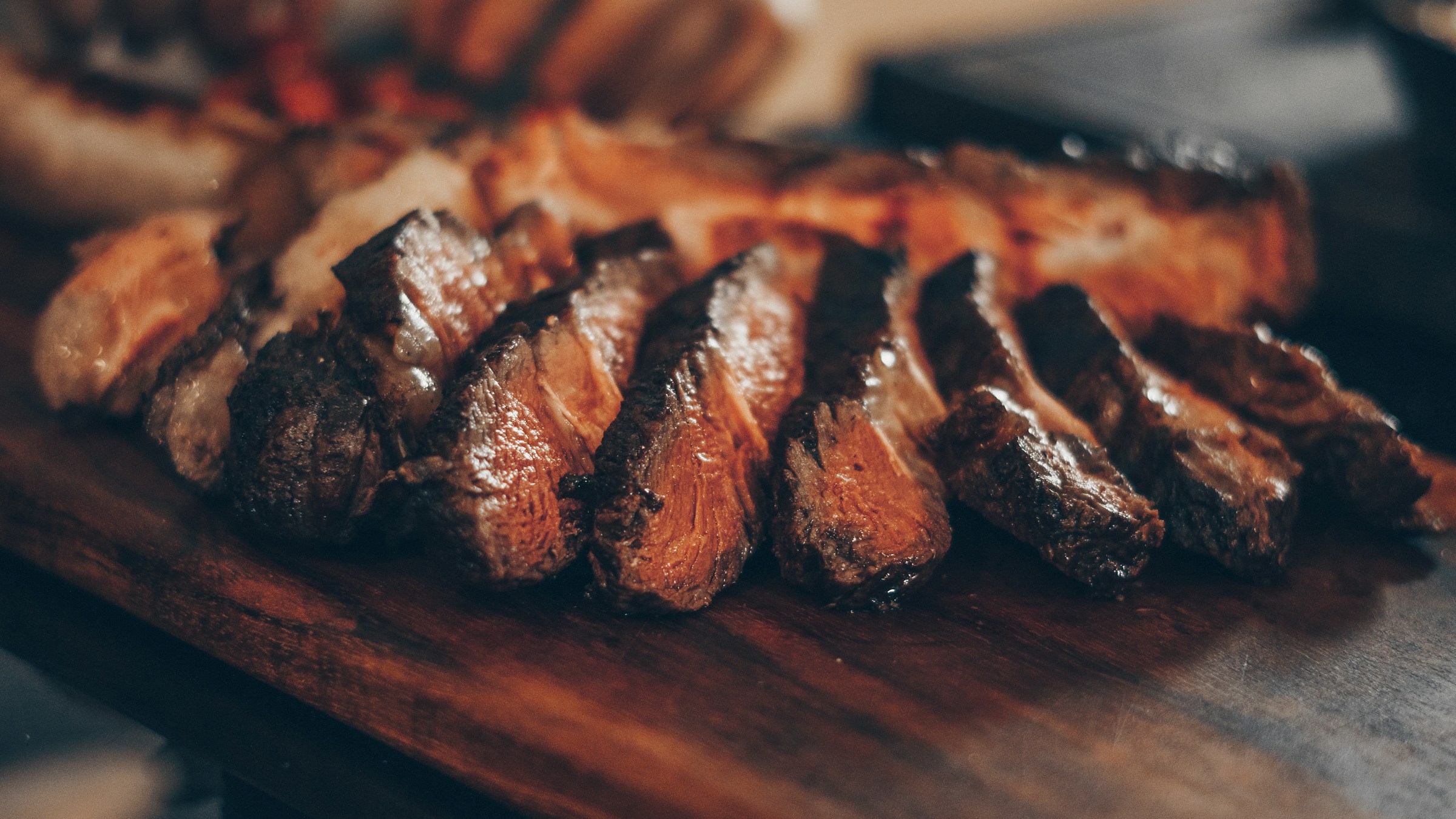
Three hours, six buchette, one bistecca lunch. Start at Vivoli for an espresso through the hatch. Walk south to Osteria delle Brache on Piazza Peruzzi (5 min). Continue to All'Antico Vinaio on Via dei Neri (3 min) for a wine + schiacciata. Cross Ponte Vecchio into Oltrarno; walk along Borgo San Jacopo to Babae on Via Santo Spirito (15 min). Recross at Ponte Santa Trinita and walk to Cantinetta del Verrazzano on Via dei Tavolini (10 min). Finish at any Florentine trattoria for a Bistecca alla Fiorentina dinner.
Best months: April–early June or late September–October — the buchette work outside, and so will you.
Read on
Our Firenze region pillar covers the wider city — where to base, what to skip, day trips. The food and wine pillar covers the broader Tuscan DOCG landscape that the buchette pour from. For the rural side of the same wine map, see our seven-day Chianti itinerary.
Frequently asked.
- What is a wine window in Florence?
- A buchetta del vino is a small hatch — typically 20–30cm tall — cut into the street-facing wall of a Florentine palazzo. From the late 1500s until the early 1900s, wine-owning families sold their estate wine direct from their cellars through these hatches, glass by glass, to anyone on the street.
- How many wine windows are there in Florence?
- The Buchette del Vino Cultural Association has mapped just over 280 surviving buchette in Florence and the surrounding countryside, with roughly 180 in the historic city centre. Most are bricked up or used as letterboxes; about a dozen are still actively serving wine.
- Are the wine windows still in use today?
- Yes — several were quietly reopened during the 2020 COVID lockdown as a contactless way to serve wine, and the format stuck. Reliable working examples include Vivoli, Babae, Osteria delle Brache, All'Antico Vinaio and Cantinetta del Verrazzano.
- When were Florence's wine windows invented?
- The second half of the 1500s, following Cosimo I de' Medici's 1559 tax reform allowing Florentine landowners to sell their own estate wine direct from townhouse cellars. They became famous (again) during the 1630–31 plague when their contactless format suited the public-health moment.
- Where can I see a working wine window in Florence?
- The most reliable for visitors are Vivoli (Via dell'Isola delle Stinche, 7r) for espresso and gelato through the hatch; Babae (Via Santo Spirito, 21r) for wine 7–9pm only; and Cantinetta del Verrazzano (Via dei Tavolini, 18–20r) for Chianti wines straight from the Verrazzano estate cellars.
- Why are they called buchette?
- Buchetta is the diminutive of buca, Italian for hole or small opening. The full term is buchetta del vino — 'little wine hole'. Florentines themselves have used the term continuously since the 1600s; the English-language 'wine window' is a 21st-century coinage.