 ← All regions
 Siena
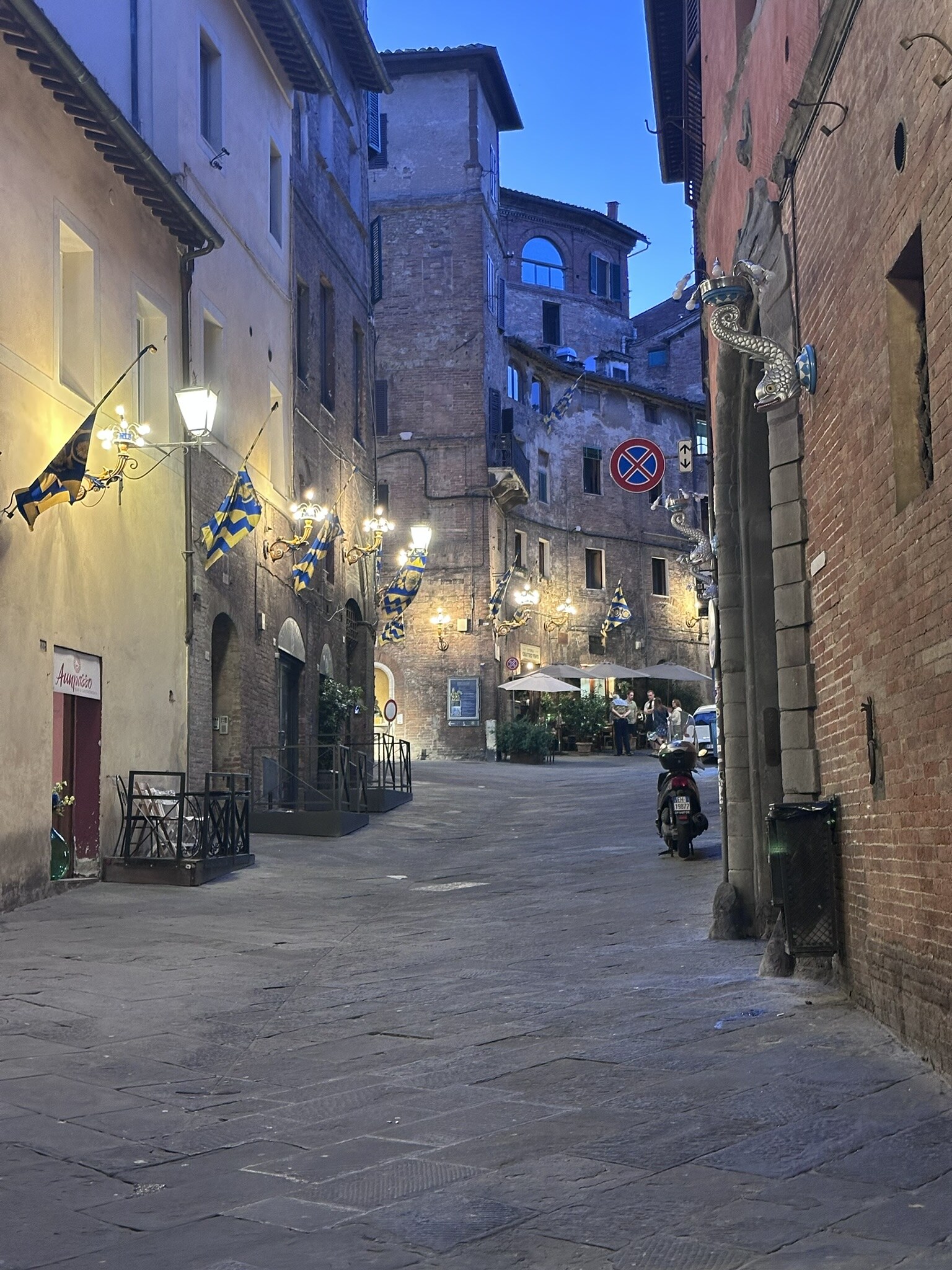
A medieval city wrapped around the shell-shaped Piazza del Campo, famed for the Palio horse race.
What to see.
Piazza del Campo
Highlight · Siena
Siena Cathedral
Highlight · Siena
Palio (July & August)
Highlight · Siena
Crete Senesi drives
Highlight · Siena
About Siena
A short history
Siena peaked early. Between 1260 and 1348 it rivalled Florence in wealth, art and ambition — the Sienese school produced Duccio, Simone Martini and the Lorenzetti brothers, all of whom worked in the cathedral or the Palazzo Pubblico that still anchor the city. Then in 1348 the Black Death killed perhaps two thirds of the population. Construction stopped mid-block: the unfinished extension of the cathedral, the Facciatone, still juts into the sky behind the duomo with sheep grazing where the new nave was meant to go.
Because growth stopped, the medieval city was preserved instead of overwritten. Siena today is a single sustained Gothic moment, three concentric ridges of brick and stone wrapping the Campo. There's almost no Renaissance overlay and very little modern building inside the walls.
Civic life still runs on the contrade — the seventeen historic neighbourhood-clans, each with its own flag, anthem, baptismal font and patron saint. The Palio is the most visible expression of contrada loyalty, but it operates year-round: kids are still baptised into the contrada they're born in, and rivalries decided 400 years ago shape who you marry today.
Where to base
Siena is small. Sleeping inside the walls means everything is a 10-minute walk away. The four useful pockets:
Around Piazza del Campo. The most atmospheric, the priciest. €220–€380/night for a small hotel room. The Campo itself is permanently full of people; the streets that radiate off it are quieter than you'd expect.
Terzo di Camollia. The northern third of the city, around the basilica of San Domenico. Quieter, with a viewpoint over the cathedral that's better than anything inside the walls. €180–€260.
Terzo di San Martino. Southeast, around Via Roma. The most local-feeling area, with the food market (Mercato delle Logge), several osterie, and a working-class atmosphere that survives despite the tour buses.
Outside the walls. An agriturismo 15–25 minutes by car gives you Crete Senesi or southern-Chianti landscape, sleeps in the €110–€180 range, but you'll need to drive in for dinner. Best for a 3+ night stay that mixes city and country.
What to see
Piazza del Campo. The square is the sight. The fan-shape and pink-brick herringbone paving were designed in 1340 to be visible from the windows of the Palazzo Pubblico. Sit on the bricks at the lower end with an ice cream; an hour passes without effort.
Palazzo Pubblico and Torre del Mangia. Inside the palace are Lorenzetti's Allegory of Good and Bad Government frescoes — the most important secular paintings of the 14th century, the kind of thing you'll see referenced for years. Climb the Mangia tower for the only viewpoint that frames the whole Campo from above.
Cathedral complex. Three things matter: the floor (intricate inlaid marble, fully uncovered only in late summer and again at Christmas), the Piccolomini Library frescoes by Pinturicchio, and the Pulpit by Nicola Pisano. Buy the Opa Si Pass; it includes the Crypt, the Baptistery and the Museo dell'Opera (which has Duccio's Maestà — the painting the cathedral was built around).
Pinacoteca Nazionale. The Sienese-school art collection. Quiet, free of crowds, takes 90 minutes. Includes the Lorenzetti panels that didn't fit in the Palazzo Pubblico.
Walk a contrada. Each of the 17 has its own museum and church — most open weekend mornings, free, almost no visitors. The drago (dragon), oca (goose) and onda (wave) contrade are particularly proud of their displays.
What to skip
Tour-bus Palio packages. Watching the Palio properly means standing in the Campo from mid-afternoon, packed in, no chance to leave. Hotel-window seats run €600+ per person and most are sold to tour operators. Decide before booking whether the experience justifies the discomfort. If not, watch the trial races (Provo) in the days before — same horses, same jockeys, free.
Restaurants right on the Campo. Spectacular view, indifferent food, €4 coperto per person, soggy panini at €18. Eat ten metres away in any direction.
Cathedral floor in any month except August or December. The famous marble inlays are covered with protective wood the rest of the year. Don't make Siena your trip if the floor matters to you — check Opa Si's calendar first.
The Palio in detail
Two races a year: 2 July (Madonna di Provenzano) and 16 August (Madonna dell'Assunta). Ten of the 17 contrade compete each time. The race itself takes 90 seconds. The build-up takes four days — selection of horses, the assignment ceremony, six trial races, a blessing of horse and jockey inside each contrada's own church the morning of, parades and historic processions before, screaming and crying after.
It's not a tourist event in any conventional sense. It's a religious civic ceremony that visitors are tolerated at. The Campo is free to enter — you can stand in the centre for the race, but you arrive by 4pm and you don't leave until after 9pm. Edges fill earliest. Bring water, sun protection, and patience for the wait.
Tickets to seated stands and balconies are sold by individual building owners around the Campo; €350–€800/seat is normal. Hotel rooms with Campo views go for triple their usual rate and book a year ahead.
Best time to visit
April–May. Warm, green, contrade gearing up for the July race. The cathedral floor is covered but everything else is at its best. Our default recommendation.
Late June through August. The Palio months. Beautiful and intense, but Siena is also at peak heat (35°C) and peak crowds. Around the race days themselves, accommodation is unfindable.
September–early October. Light is golden, harvest in Chianti is underway, the Pinacoteca is empty. Excellent.
Mid-August to mid-September. The cathedral floor is uncovered — a real reason to time a visit if 14th-century Sienese marble work matters to you.
Winter. The Tuscan winter Siena is the one Henry James and EM Forster wrote about — bell-tolls and mist, no day-tour groups, dinner-table conversations carrying across half-empty osterie. Plan for cold and short days; the rooms are 30% cheaper.
Getting there
From Florence. The express bus from Florence's Santa Maria Novella station is the fastest option — 75–90 minutes direct to Siena's Piazza Gramsci, which is a 5-minute walk inside the walls. The train (1h 30) involves a change at Empoli and then a long walk uphill from Siena station; not recommended.
From Rome. 3h 15 by train to Chiusi, then bus to Siena. A car is much easier (2h 45 on the A1 → SR2).
By car. Siena is a ZTL. Park at one of the perimeter lots — Fortezza Medicea, Il Campo, San Francesco — and walk. Daily rates €15–€25.
Day trips from Siena
Siena is the better Tuscan base for southern day-trips than Florence.
Val d'Orcia. Pienza, Montalcino, Bagno Vignoni, Montepulciano — covered in full in our Pienza and Val d'Orcia guide. A car is essential; see our photography guide for the backroad routes worth seeking out.
San Gimignano. 50 minutes by bus via Poggibonsi. Best done as a half-day; arrive early or stay after the day-trippers leave.
Chianti. The southern half of Chianti is closer from Siena than from Florence — Castellina, Radda, Castelnuovo Berardenga are all within 30 minutes' drive. See the seven-day Chianti itinerary for the unhurried version.
Sant'Antimo Abbey. 12th-century Benedictine monastery in the hills south of Montalcino. Gregorian chant during services. Free, almost no visitors.
Practicalities
Tickets. The Opa Si Pass covers everything in the cathedral complex; the OPA combined ticket adds the Pinacoteca. Get them in advance for the cathedral, walk in elsewhere.
Eat. Order pici (thick hand-rolled pasta — the Sienese version of spaghetti), with cinghiale (wild boar), aglione (giant garlic-tomato), or briciole (toasted breadcrumbs). Drink Chianti Colli Senesi or a Sangiovese from Montalcino. Skip anywhere with a printed menu in five languages.
Tipping. Not expected. Coperto on every bill is the equivalent.
Festivals beyond the Palio. Sagra del Tordo in nearby Montalcino (last weekend of October), Settimana Senese (May, classical music in the Palazzo Pubblico), Christmas presepi displays in every contrada church.
Read first. Our practical-basics guide covers airports, money, language and the kind of small logistical questions every traveller asks before a first Italy trip.
Read our practical basics before you book — when to come, where to base, how to get around.
Stories from Siena.
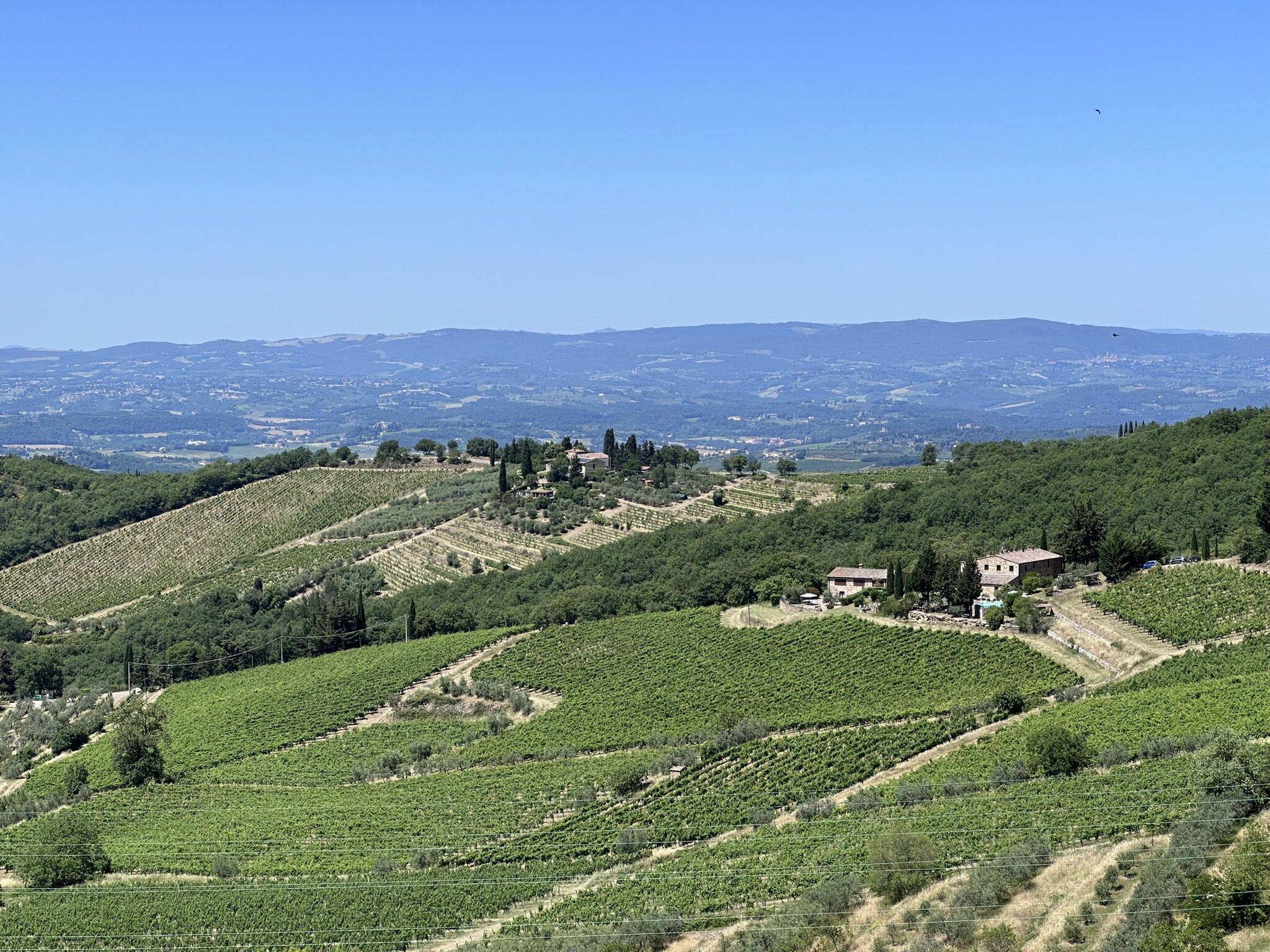
Seven slow days across Chianti
A practical itinerary between Florence and Siena — with three cellars worth the detour.
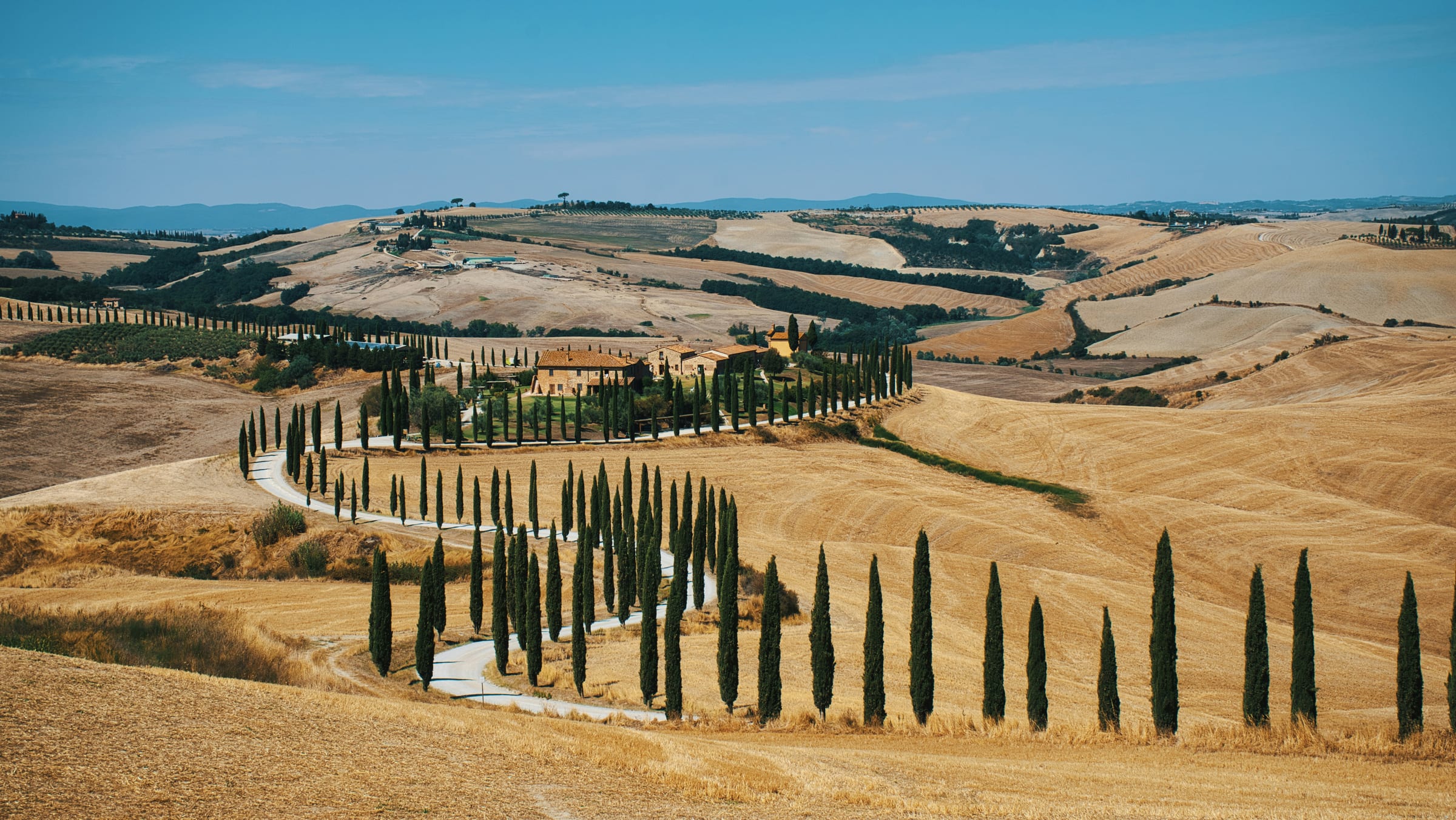
Photographing Val d'Orcia without clichés
Yes, the lone cypress. But also: backroads, late-afternoon mist, and why dawn beats sunset.
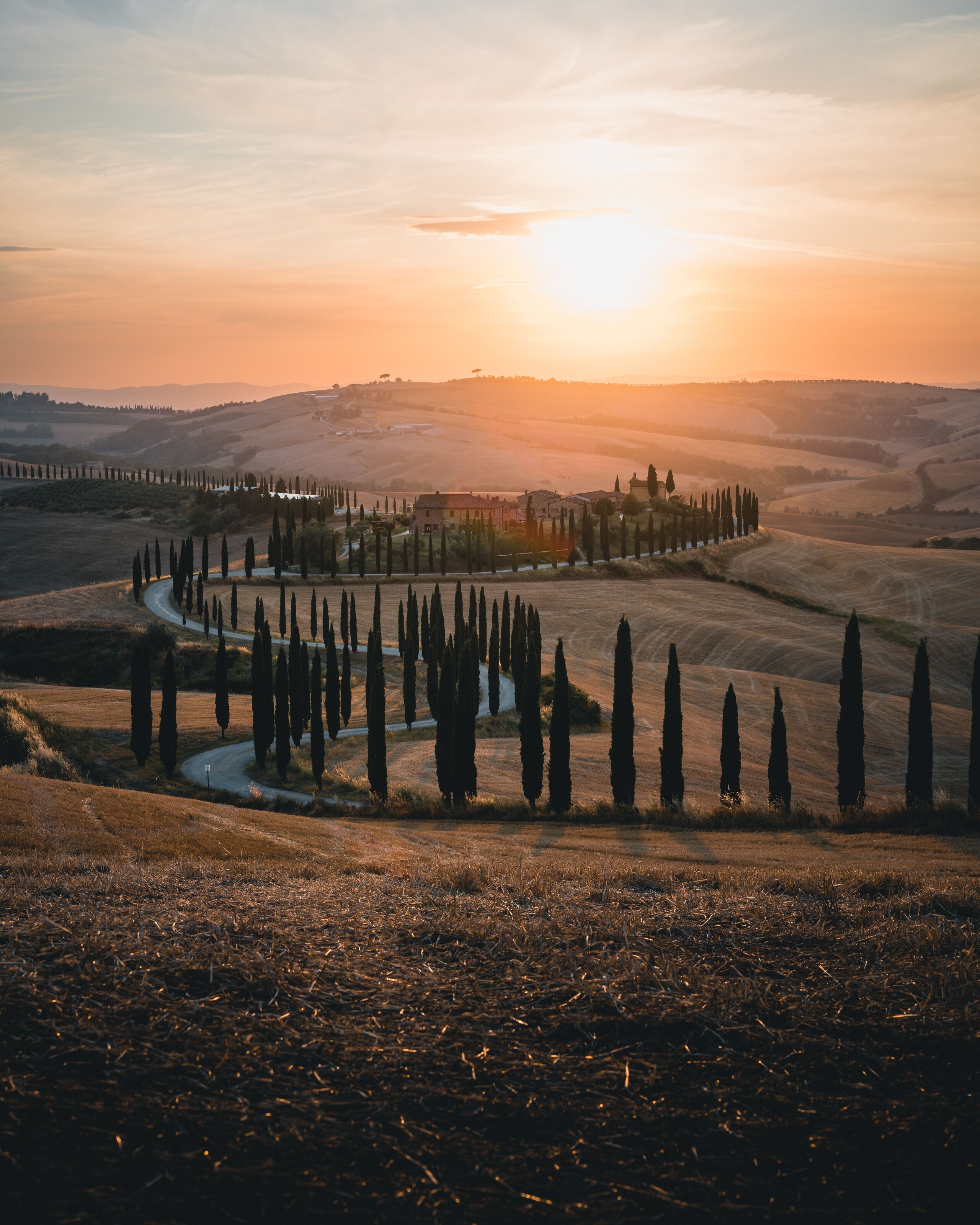
Pienza and the Val d'Orcia, a guide
The Renaissance-pope's experiment in town planning, and the photogenic countryside around it.
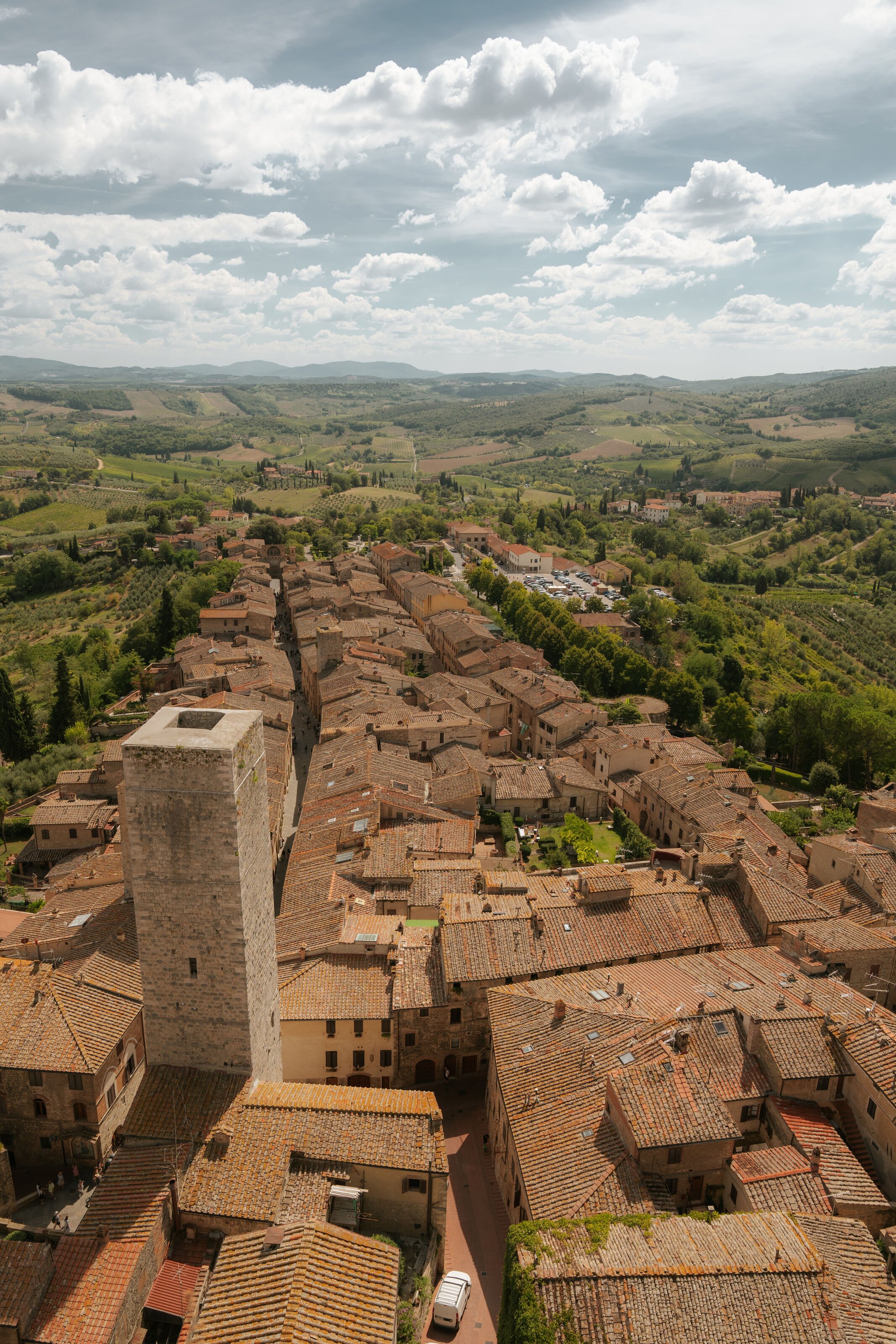
San Gimignano — the towers, demystified
Medieval Manhattan, day-trip or overnight, where to eat without the tourist menus.
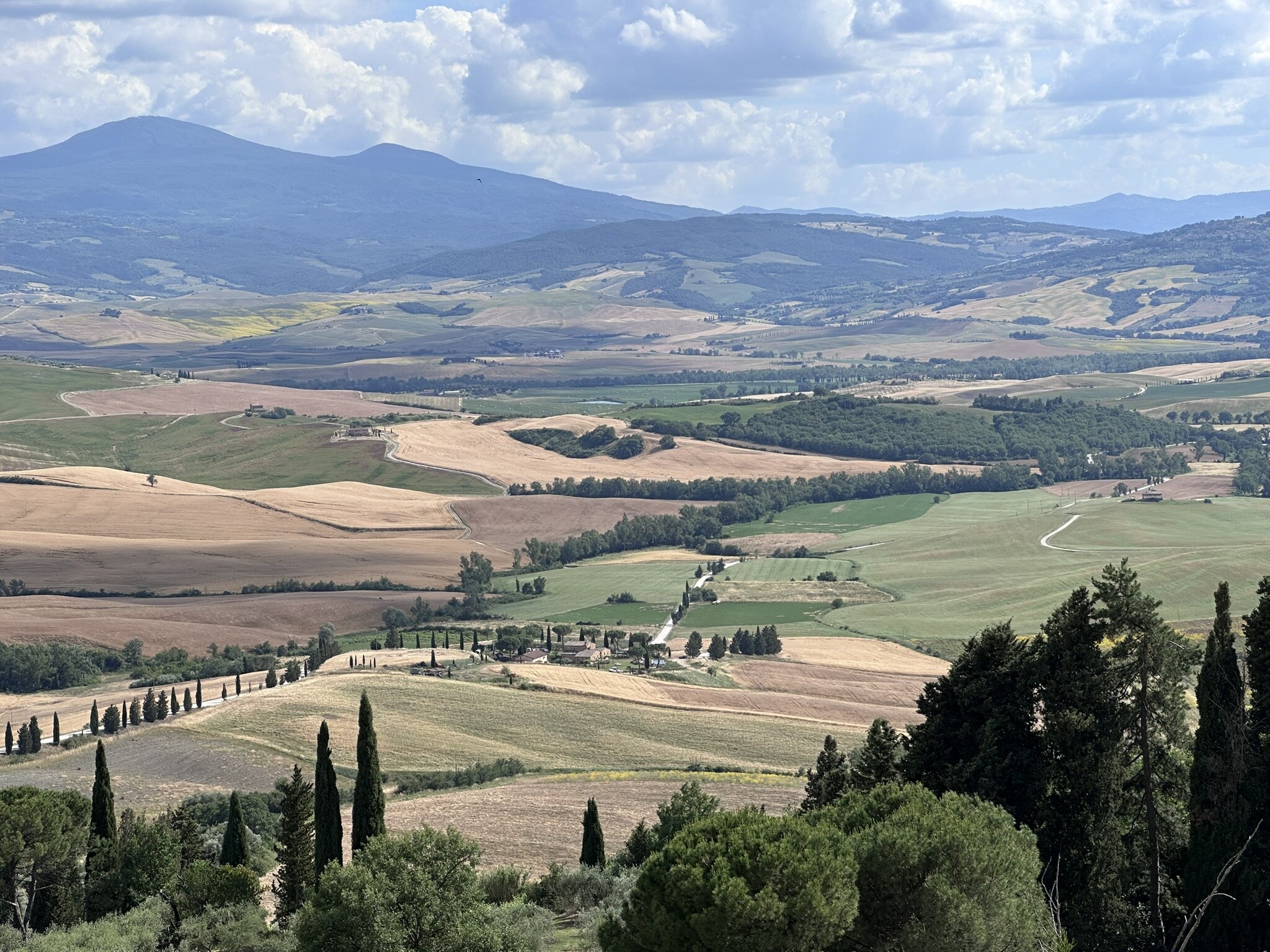
Chianti vs Val d'Orcia — which to base in
Both inside Siena province, both world-famous, very different trips. Wine, landscape, crowds, drive times, and which one suits you.