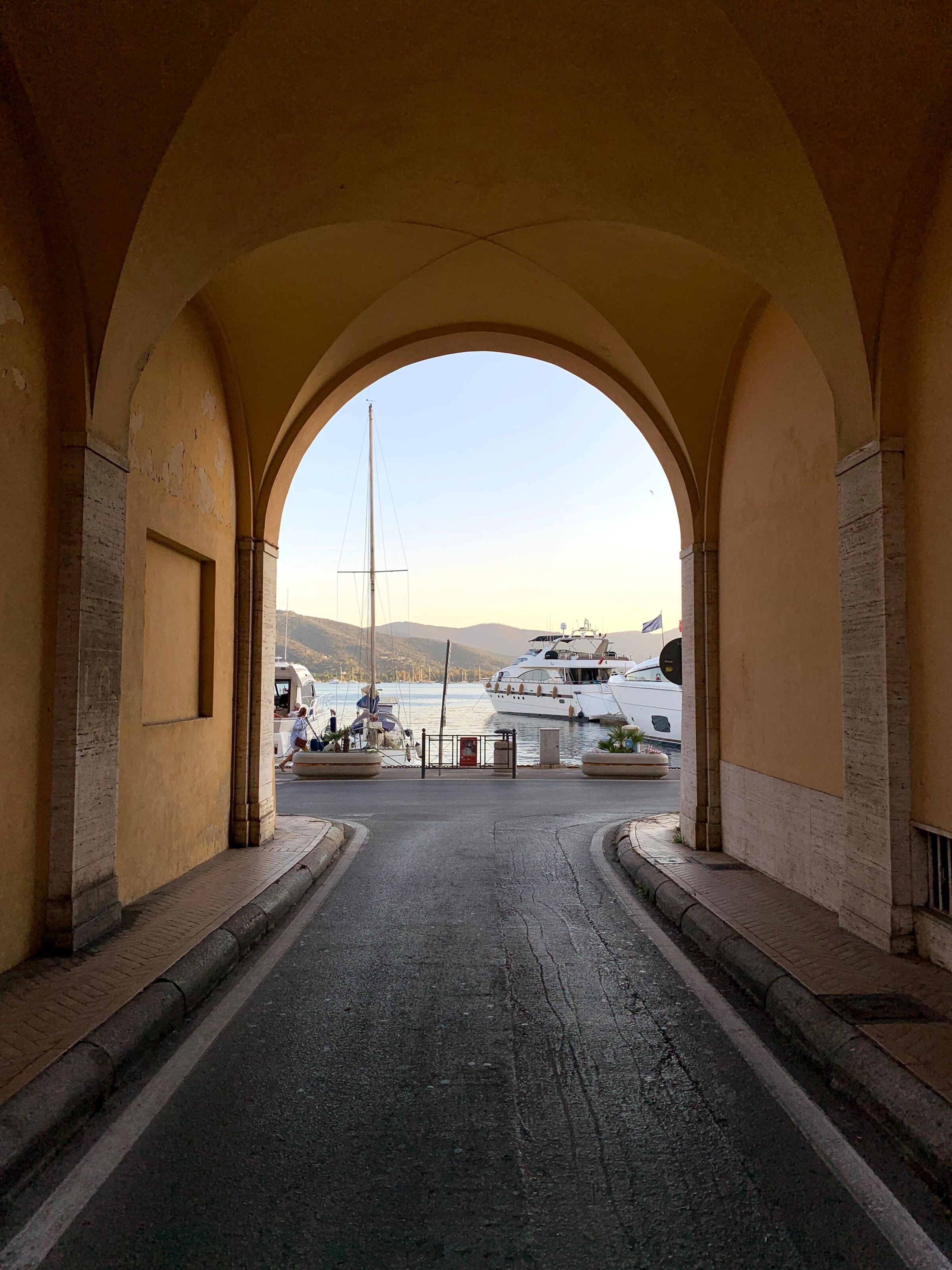
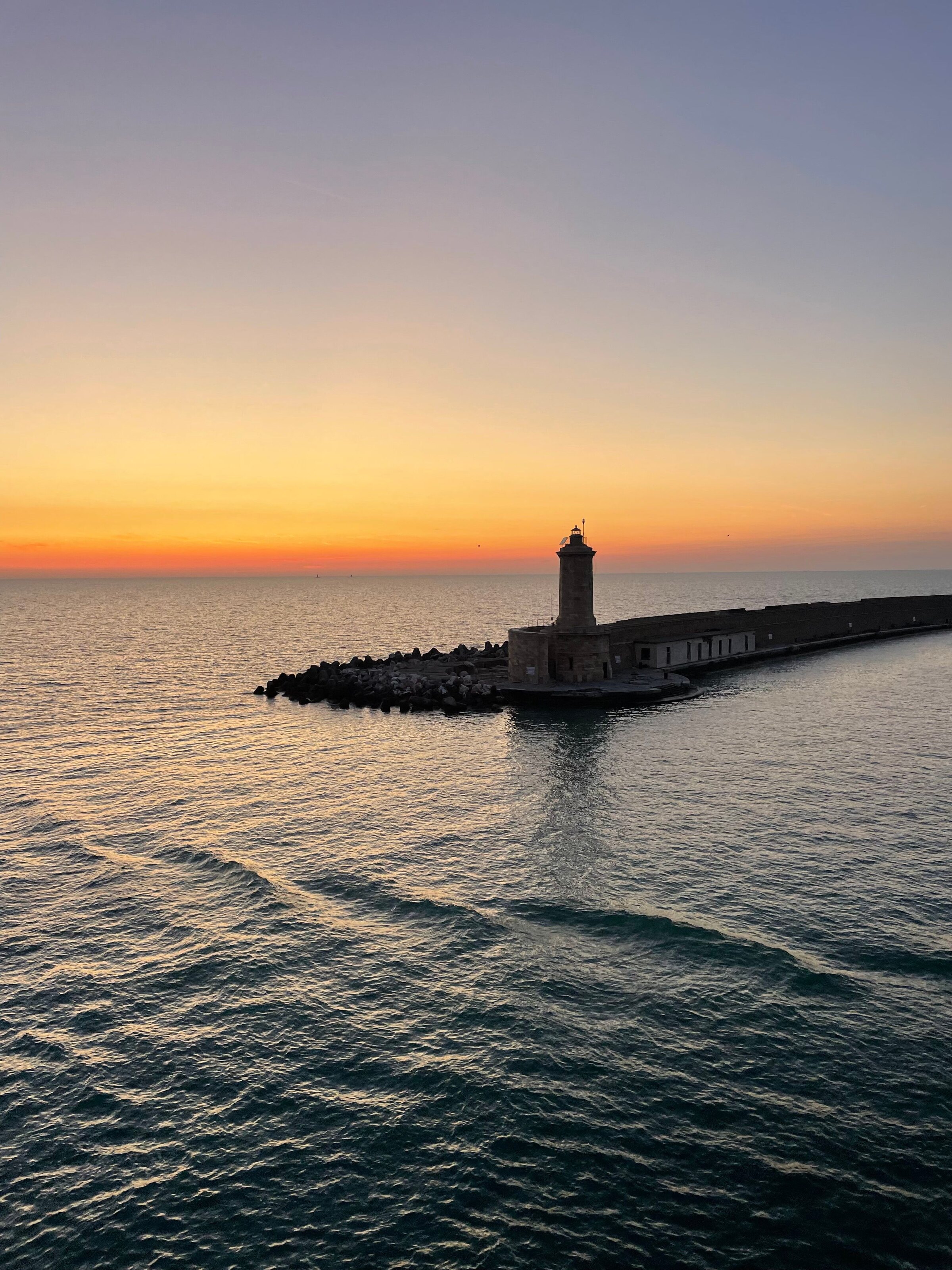
 ← All regions
 Livorno
A working port with canals, cacciucco stew, and a jump-off point to Elba and the Tuscan archipelago.
What to see.
Venezia Nuova canals
Highlight · Livorno
Cacciucco at the market
Highlight · Livorno
Elba ferry
Highlight · Livorno
Castiglioncello cliffs
Highlight · Livorno
About Livorno
A short history
Livorno is the youngest of Tuscany's major cities — and the most unusual. It was founded almost from nothing in 1577 by Cosimo I de' Medici, who saw the need for a deep-water Mediterranean port to bypass the silting old port of Pisa. He hired the architect Bernardo Buontalenti to design it as a planned city: pentagonal walls, canals modelled on Venice, and the world's most progressive religious-tolerance law of its era (the Leggi Livornine of 1591) that welcomed Jews, Greeks, Armenians, English Protestants and Muslims fleeing persecution elsewhere in Europe.
That deliberate cosmopolitanism shaped the place. The Venezia Nuova district (built 1629–1721) carved canals through the centre to move goods between port and warehouses. By the 18th century Livorno was Italy's busiest free port, with synagogues, mosques, Greek Orthodox churches and a thriving English merchant community.
The city was badly hit by WWII bombing — half the historic centre was destroyed — and the post-war reconstruction filled the gaps with utilitarian concrete. But the bones survive: the Fortezza Vecchia and Fortezza Nuova still anchor the port, the Venezia Nuova canals run as they did in the 1700s, and the cooking is still recognisably the cuisine of a port that imported spices for 400 years.
Where to base
Livorno gets fewer overnight visitors than its size suggests because most travellers arrive by cruise ship and leave the same day. Three useful areas if you stay:
Venezia Nuova. The atmospheric canal district. Small B&Bs and aparthotels above warehouses-turned-cafés. €90–€160/night. Best for a 2-night stay.
Antignano / Ardenza (coast 5km south). Seaside neighbourhoods on the Lungomare with terrazza-style apartment rentals overlooking the Tyrrhenian. €110–€180. Best if you're combining the city with beach time.
Central Livorno / Piazza della Repubblica. Walking distance to the ferry terminal (for Elba, Corsica, Sardinia), the central market, and the canals. Mid-priced city hotels (€100–€150).
What to see
Venezia Nuova at the boat-tour hour. The 1-hour canal boat tour from Scali del Pontino is the best way to understand the city's geography. €15, runs every 90 minutes April–October. Sunset run is the best one.
Mercato Centrale (Mercato delle Vettovaglie). One of Italy's largest covered markets and Livorno's daily theatre. Fish on the ground floor (cefali, cernia, palombo all caught that morning), vegetables and cheeses upstairs. Best at 9am on a Saturday.
Cacciucco at a back-canal trattoria. The five-fish stew is Livorno's signature dish — eat it at Cantina Senese (Borgo dei Cappuccini) or Il Sottomarino (Via Terrazzini). Lunch sitting, not dinner.
Fortezza Vecchia. The 16th-century pentagonal fortress guarding the port. Free entry (April–October). The view from the bastions takes in the canals, the Old Port and the cruise terminal in one frame.
Modigliani's birthplace. Via Roma 38. Small plaque, no museum, but the surrounding Quartiere Venezia streets are where the painter grew up.
What to skip
Eating on the cruise-terminal strip. The restaurants between the port and Piazza Grande exist for cruise day-trippers; cacciucco there is €38, mediocre, and reheated. Walk inland.
The Terrazza Mascagni at midday in summer. The black-and-white checkerboard promenade IS Livorno's signature view, but it's exposed and brutal in July. Go at 7am or 8pm.
Day-trip-only visits. The city only reveals itself in the evening when the cruise ships have left and the locals reclaim the canals.
Best time to visit
April–June. Mild (18–24°C), sea breeze, restaurants open, ferry schedules at full frequency. Our default.
July–August. Hot and packed with cruise-day visitors. The coast 5km south (Antignano, Castiglioncello) is more pleasant than the city itself.
September–early October. Sea still warm, crowds gone, light golden. Probably the best month if you want to combine city + beach + ferry to Elba.
Effetto Venezia (late July, four days). Annual canal festival — concerts on barges, market stalls, fireworks. The one time of year to be in the city in summer.
Winter. Mild for Tuscany (rarely below 6°C), often clear, deeply local atmosphere. Ferries to Elba reduce; book ahead.
Getting there
By train. Pisa → Livorno Centrale is 20 minutes (€2.80). Florence → Livorno is 1h 25 with one change at Pisa. The station is 20 minutes' walk from the canals; or take bus LAM Rossa to Piazza Grande.
By air. Pisa airport (PSA) is 25 minutes by direct train. Florence (FLR) is 90 minutes.
By car. The A12 (Autostrada Azzurra) runs along the coast. Parking on the perimeter (Parcheggio Carducci, €1.50/hour) and walking in is easier than driving into the historic centre.
By ferry. Livorno is the main mainland port for Sardinia, Corsica and northern Tuscan archipelago. Piombino (south of Livorno) handles the Elba ferries — see our no-car Elba guide.
Day trips from Livorno
Pisa — 20 minutes by train; half a day for the tower and the cathedral.
Castiglioncello — 25 minutes by train down the coast; pine-shaded cliffs above small coves. Lunch at Trattoria Vela in the village.
Elba — by ferry from Piombino (50 minutes south by train + 70-minute ferry). One night minimum to do it justice; see our car-free ferry-and-bike guide.
Volterra — 1h 15 by car inland; alabaster workshops and Etruscan tombs.
Bolgheri — 50 minutes south. The Super Tuscan wine country (Sassicaia, Ornellaia, Tignanello are all from here). The 5km cypress avenue (Viale dei Cipressi) at Bolgheri is the most-photographed road in southern Tuscany.
Practicalities
Eat. Cacciucco (the five-fish stew; rules say you need one fish for every C in the name), torta di ceci (chickpea-flour focaccia, eaten in a flat roll), ponce alla livornese (a coffee-and-rum drink). Drink white Bolgheri or a Vermentino.
Festivals. Palio Marinaro (mid-July, rowing race between contrade), Effetto Venezia (late July, four-day canal festival).
Read first. Our practical-basics guide for transport, money and trip logistics. Pisa sits 20km north and is the easiest pairing.
Read our practical basics before you book — when to come, where to base, how to get around.