 ← Home
 Tuscan food & wine
Tuscan cooking is rural, bread-heavy, and built on a handful of extraordinary ingredients — Chianina beef, Sangiovese grapes, cavolo nero, white truffle, salt-cured pork, unsalted bread. A short primer to what to order, what to drink, and where to go for both.
Tuscan food and wine — full guide
Why Tuscan food is different
Tuscan cuisine is built on three constraints that distinguish it from the rest of Italy. It is rural, not coastal. Despite a long coastline, the food culture is centred on the inland hills — beef, beans, grains, olive oil, game. The classic Florentine kitchen barely uses fish. It is poor-food, codified. Most signature dishes — ribollita, pappa al pomodoro, panzanella, fagioli all'uccelletto — were invented to use stale bread and surplus vegetables. The technique is now haute, but the origins are peasant. It is bread-without-salt. Tuscan bread (pane sciocco) is unsalted, a quirk traceable to a salt tax dispute in the 12th century. It tastes flat eaten alone but pairs perfectly with the salty cured meats and dense soups it was designed for.
What this means for visitors: Tuscan food is not Italian food in general. Don't come expecting carbonara (Roman), pizza (Neapolitan), risotto (Lombard) or seafood pasta (Sicilian) as headline dishes. The headlines here are bistecca, ribollita, pici, salumi, pecorino, and white-truffle tagliatelle. Order those and you'll be eating what Tuscans eat at home.
The signature dishes — what to order
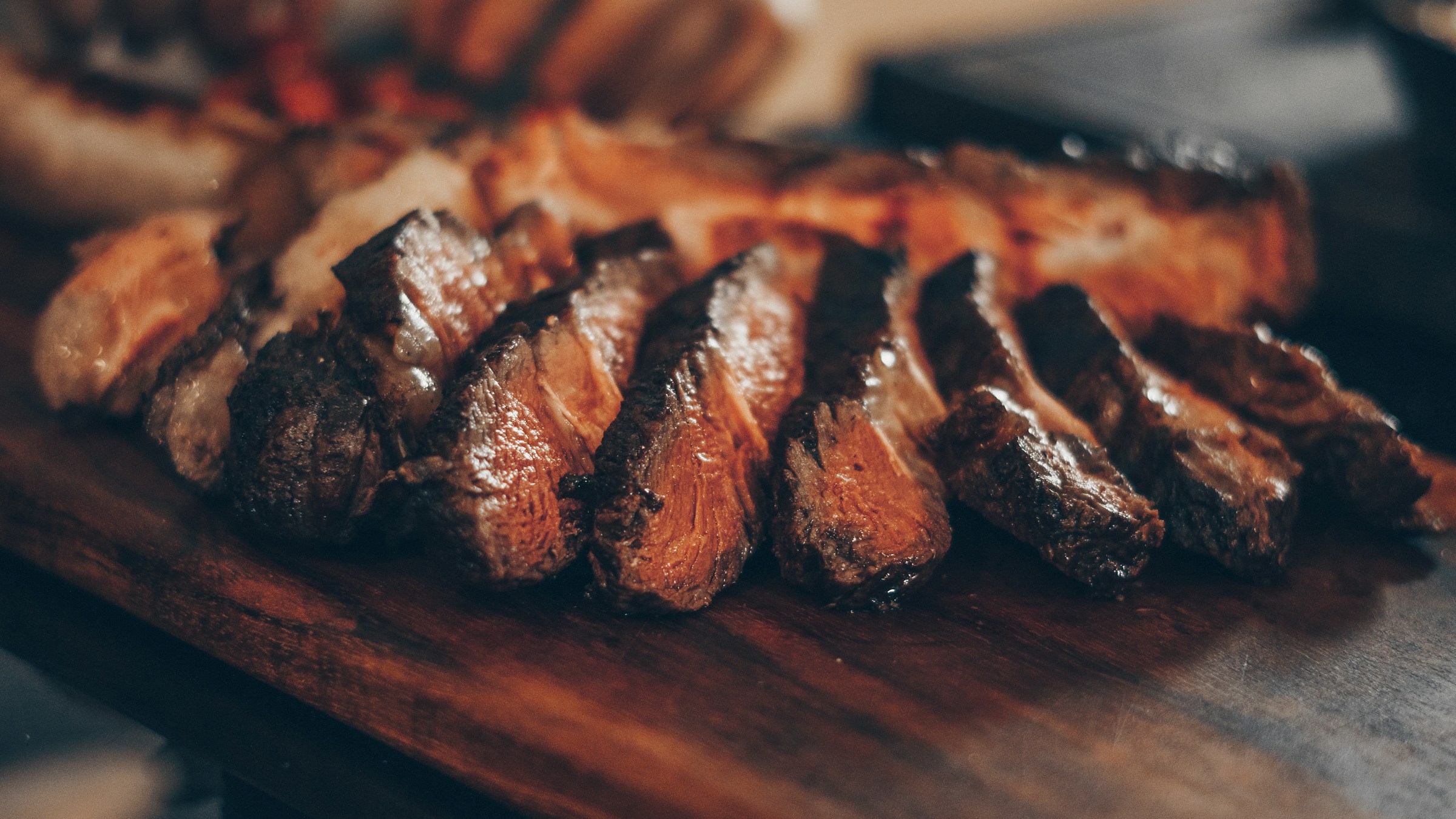
Bistecca alla Fiorentina. The Chianina T-bone, 1–1.5kg, charred outside, rare inside, salted only after grilling. Shared between two or three. The single most identifiable Tuscan dish. We have a full guide to ordering it.
Ribollita. Twice-cooked bread soup — cavolo nero (Tuscan kale), white beans, stale bread, olive oil. The name means 're-boiled' because the leftovers from yesterday's vegetable soup were thickened with bread the next day. Best in winter; many Tuscan kitchens drop it from the menu in summer.
Pappardelle al cinghiale. Wide flat egg pasta with wild boar ragù. The boar is hunted in the Maremma and the Chianti hills; the ragù simmers for 4+ hours with red wine, juniper, and rosemary.
Pici cacio e pepe / all'aglione. Hand-rolled thick spaghetti from the Siena hills. Cacio e pepe (pecorino + black pepper) is the Roman version; in Tuscany you'll more often see pici all'aglione (with crushed tomato + lots of garlic) or pici alle briciole (toasted breadcrumbs).
Pappa al pomodoro. Bread soup with tomatoes, basil, olive oil. Summer's answer to ribollita.
Tagliatelle al tartufo bianco. Egg pasta with shaved white truffle (October–December only, in San Miniato and Crete Senesi). Expensive — €40+ a plate when in season. Worth it once. See our truffle guide.
Cinghiale in umido. Wild boar braised in red wine, served with polenta or beans. The hunters' dish.
Lampredotto. Cow's fourth stomach, slow-cooked, served in a bun with green sauce. Florence's signature street food, sold from carts (lampredottai) all over the city. The classic order: lampredotto in panino, bagnato (the bun dipped in cooking broth), with both sauces.
The signature wines
Tuscany has seven DOCG wines (the highest Italian classification) and most of them are Sangiovese-based reds. The four worth knowing:
Chianti Classico DOCG. The wine from the original Chianti area between Florence and Siena — the only Chianti that legally carries the Gallo Nero (black rooster) seal. Sangiovese-dominant (minimum 80%), with optional small percentages of Canaiolo, Colorino, Cabernet or Merlot. Three quality tiers: annata (everyday, €12–€20 retail), Riserva (aged 24+ months, €18–€35), Gran Selezione (top of the pyramid, €30–€80). The best villages are Greve, Panzano, Castellina, Radda, Gaiole, Castelnuovo Berardenga.
Brunello di Montalcino DOCG. Tuscany's most prestigious wine. 100% Sangiovese (locally called Brunello). Aged minimum 5 years before release (6 for Riserva). Famously age-worthy — top Brunellos drink well for 20+ years. €40 retail entry-level; €100–€500 for top producers (Soldera, Biondi-Santi, Salvioni). Visit Montalcino out of season — the village fills with wine pilgrims October–November.
Vino Nobile di Montepulciano DOCG. Sometimes called 'Brunello's quieter cousin'. 70%+ Sangiovese (here called Prugnolo Gentile), often with small percentages of Canaiolo. Aged 24 months minimum. €20–€60 retail. Underrated and less crowded to visit than Montalcino.
Vernaccia di San Gimignano DOCG. Tuscany's signature white. Crisp, dry, mineral. Pairs beautifully with the fish dishes you'll find on the Pisa coast. €10–€25 retail. The only Tuscan DOCG white.
Beyond DOCG: the Super Tuscans (Sassicaia, Tignanello, Ornellaia) sit outside the DOCG framework — they use Cabernet, Merlot, or Cabernet Franc blends in proportions DOCG rules don't permit. €70–€800. The Bolgheri coast (between Livorno and Grosseto) is where they're made.
How to eat — meal structure and timings
Lunch (pranzo) is 12:30–14:30. Most restaurants stop serving by 14:30 sharp. The classic Tuscan business lunch is two courses (primo + secondo) and a glass of wine, sometimes a dolce. Tourist-oriented places serve all day; locals' places do not.
Aperitivo is 18:30–20:00. A drink (Negroni, Aperol Spritz, glass of Chianti) with small bites — olives, salumi, bruschetta. In bigger cities (Florence especially) some bars serve elaborate spreads. Aperitivo is not a meal; it's a 30-minute appointment before dinner.
Dinner (cena) is 19:30 onwards. Tuscan dinner times are earlier than Roman or Neapolitan (where 21:00 is normal). Booking is essential at any good restaurant Thursday–Saturday — call or use TheFork.
Courses. Full Tuscan meal sequence: antipasto (cured meats + crostini), primo (pasta or soup), secondo (meat) + contorno (side, ordered separately), dolce, caffè (espresso), digestivo (grappa or amaro). Most people eat two or three courses. Skipping the primo to go straight to bistecca is normal.
Bread on the table. Free. Don't ask for olive oil for it — the Tuscan custom is to eat bread plain. Olive oil arrives with the antipasti for the bruschette.
Coperto. A €2–€4 cover charge per person, covering bread and tablecloth. Standard. It's listed on the menu.
Tipping. Service is included in restaurant prices in Italy. €5–€10 for a nice dinner is generous; rounding up the bill is the norm.
Food and wine by region
Florence and Chianti (Firenze province). The heartland for bistecca, lampredotto, Chianti Classico. Best macelleria-ristoranti are in Panzano (Cecchini) and Florence (Perseus, Sostanza). Most Chianti cellars are family-run and require a phone booking 1–2 weeks ahead.
Siena and Montalcino/Montepulciano. Brunello and Vino Nobile. Pici. Salumi from the Crete Senesi. The cinta senese — a black-and-white-striped local pig breed nearly extinct in the 1990s and now revived — produces some of Italy's best salami.
Lucca and Garfagnana. Tordelli (the local meat-filled ravioli), farro soup (the Garfagnana grows the country's best spelt), and chestnut polenta from the mountain villages. Olive oil from the Lucca hills is among Tuscany's best.
Pisa province. White truffle in San Miniato (October–December); seafood on the coast (Marina di Pisa). Cecìna — the chickpea-flour flatbread shared with Liguria — is street food here.
Livorno and the coast. Cacciucco, the Livornese fish stew (five fish minimum, five C's in the spelling). Triglie alla livornese (red mullet in tomato). The Bolgheri coast just south produces the Super Tuscans.
Maremma (Grosseto province). Wild boar in every form. Acquacotta (a vegetable soup with a poached egg). The agriturismi here serve the most rustic food in Tuscany.
Where to learn — cellars, butchers, markets
Cellar visits. Most Chianti Classico estates accept visits Monday–Saturday by appointment. Book 1–2 weeks ahead by email. €15–€40 per person for a tour + 4–6 wines tasted. The bigger names (Antinori, Frescobaldi) have proper visitor centres; smaller estates require you to phone the office. Driving a car after tasting six wines is illegal and dangerous — book a driver or stay at the cellar.
Butcher visits. Antica Macelleria Cecchini in Panzano runs scheduled 'meat school' demonstrations Friday afternoons; book online. Macelleria Falorni in Greve has a more casual format — wander in, taste salumi, buy a bistecca to take to your agriturismo grill.
Markets. Florence's Mercato Centrale (San Lorenzo) is the indoor food market — go for the upstairs food hall (cheap, varied, open till 24:00). Sant'Ambrogio is Florence's more local market — better for ingredients than meals. Siena's Mercato della Lizza is Wednesday morning. Every smaller town has its weekly market — ask at your agriturismo.
Cooking classes. A two-hour pasta-making class at a Chianti farm is the easiest entry point; most cellars run them in summer. The Florence-based Toscana Mia and Cordon Bleu both offer 3–6 hour classes including market shopping.
When to come for food
October–November. The food calendar peaks. White truffles in San Miniato (sagra weekends in November). New olive oil pressed and sold direct from frantoi. Wild boar hunting season opens. Vendemmia (grape harvest) wraps up; Sant'Antimo gives free fermentation tours.
December–February. Black truffle season. Cinghiale braises are at their best. Bistecca tastes more like home cooking in fireplaces. Many smaller restaurants close mid-January for two weeks.
March–May. Lighter dishes — artichoke, fava bean, pecorino at its freshest (the spring lambing means May pecorino is sweetest). Asparagus from the Pisa coast.
June–August. Tomato and basil. Panzanella, pappa al pomodoro, pesto from Lunigiana. The wine-tasting season starts at the cellars — but the fields are 35°C+ in the afternoon, so do mornings only.
September. The best month overall. Vendemmia in full swing — many estates let visitors join the harvest. Tomatoes still abundant; first wild mushrooms appearing.
Read on
We cover Tuscan food and wine across the site. The deepest pieces:
Bistecca alla Fiorentina, demystified. What makes the steak real, where to order it, how to cook your own.
White truffle in San Miniato. Where to buy, where to eat, how the supply chain works.
A seven-day Chianti itinerary. Cellar visits, butcher stops, where to stay.
Firenze. The full city + Chianti region pillar.
Siena and the Crete Senesi. Brunello, Vino Nobile, pici country.
Read on.
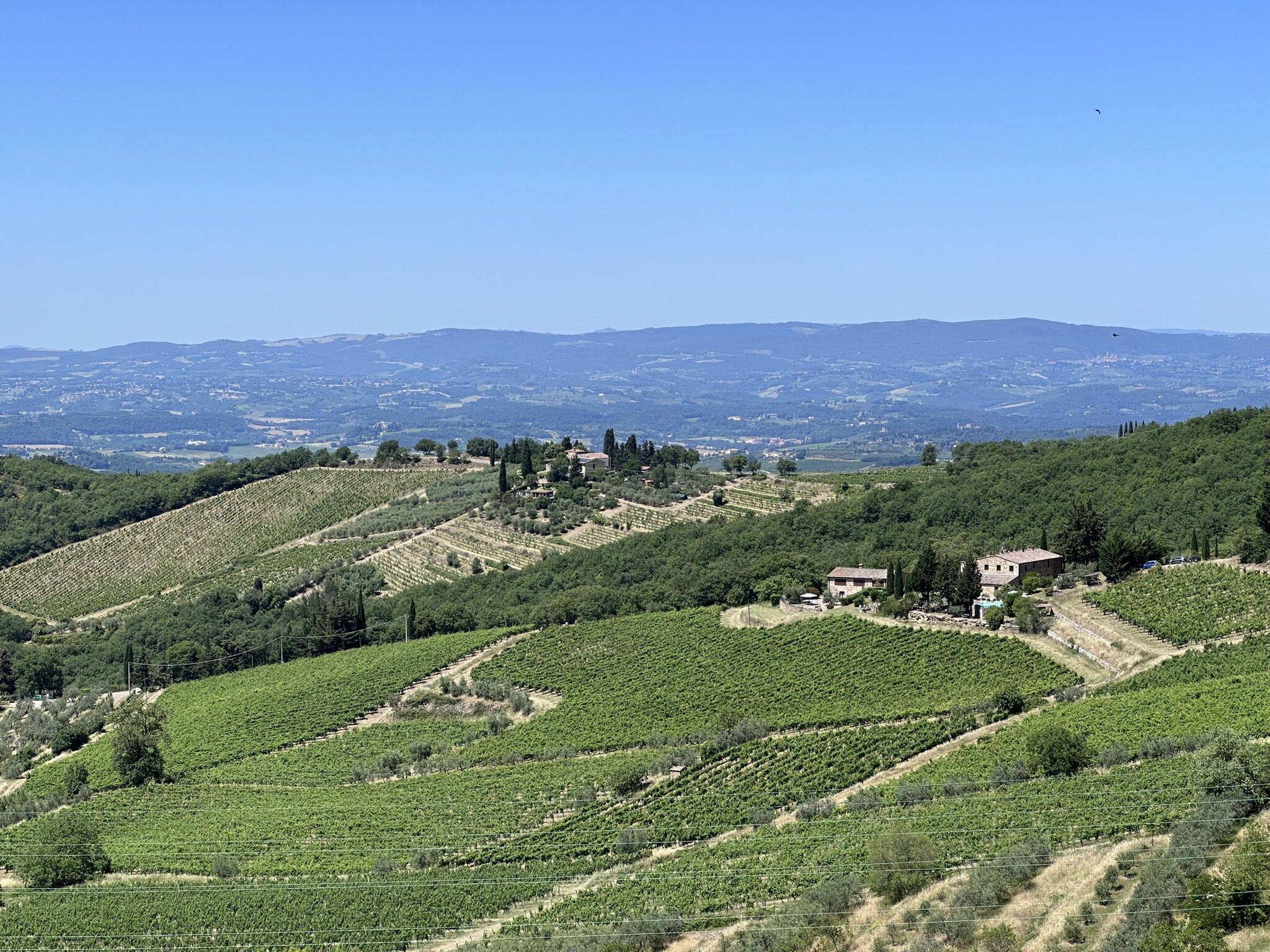
Seven slow days across Chianti
A practical itinerary between Florence and Siena — with three cellars worth the detour.
Truffle season in San Miniato
November in a hill town that smells like the forest floor — where to eat, and what to buy.
Bistecca alla Fiorentina, demystified
Chianina beef, a very hot grill, and salt. There is no secret — but there are rules.
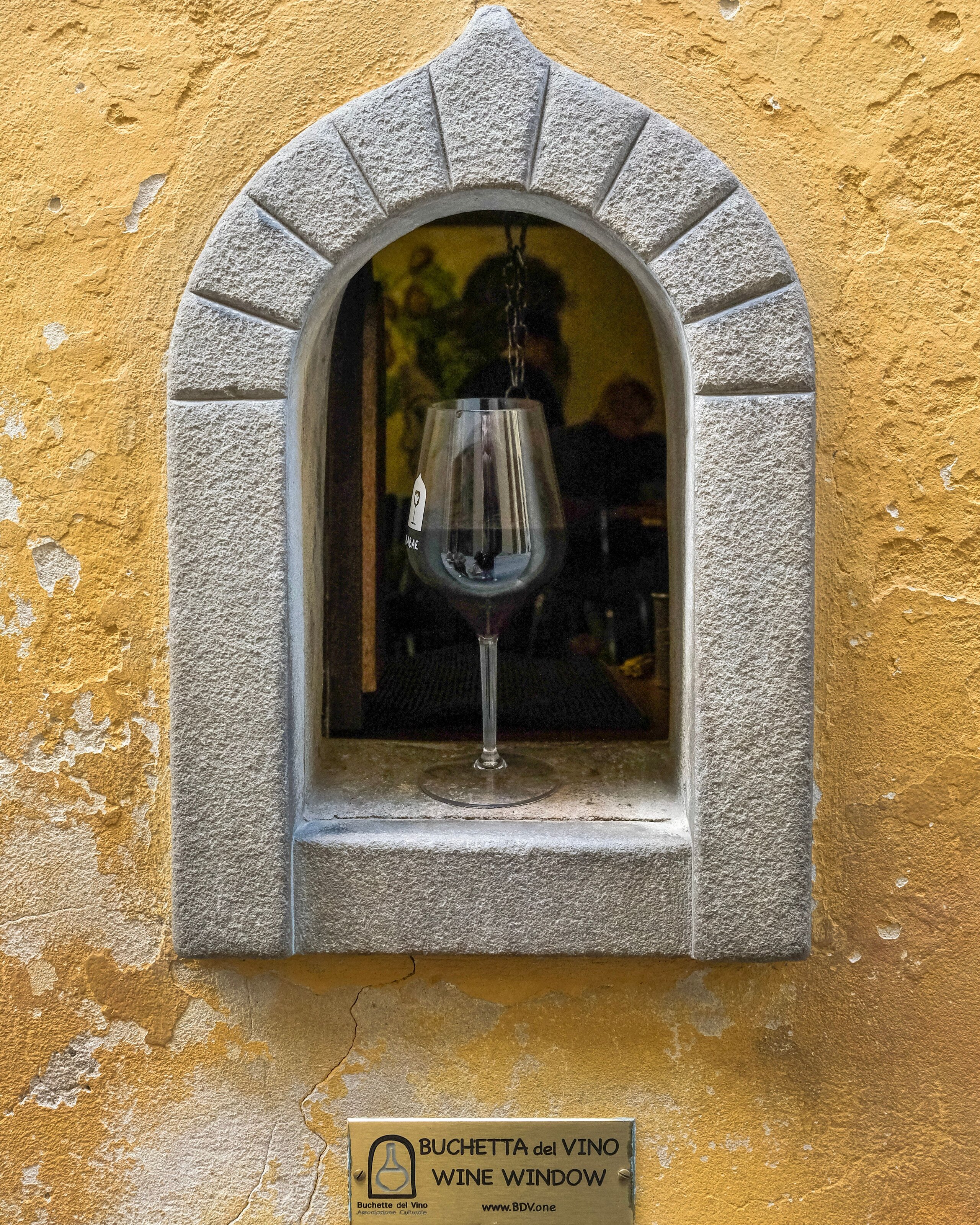
Florence's wine windows — the buchette del vino, demystified
Cellar-to-street wine hatches cut into palazzo walls in the 1500s. Plague-proof in 1630. Quietly re-opened in 2020. Where to find a working one today.
Frequently asked.
- What is the most famous Tuscan dish?
- Bistecca alla Fiorentina — a 1–1.5kg T-bone steak from the Chianina cattle breed, grilled rare, salted only after cooking, shared between two or three. The single most identifiable Tuscan dish.
- What wine is Tuscany famous for?
- Four DOCG reds dominate: Chianti Classico (from between Florence and Siena), Brunello di Montalcino (the prestige wine), Vino Nobile di Montepulciano (lesser-known but excellent), and the Super Tuscans (Sassicaia, Tignanello, Ornellaia — Bordeaux-style blends from the Bolgheri coast). Vernaccia di San Gimignano is the signature white.
- When is the best season for Tuscan food?
- October–November. White-truffle season in San Miniato, fresh olive oil pressed at the frantoi, vendemmia (grape harvest) winding up, wild-boar season opening. The food calendar peaks in autumn.
- Do I need to book restaurants in Tuscany?
- Thursday–Saturday at any popular restaurant, yes — call or use TheFork 2–3 days ahead. Quiet trattorias on weekday lunches will usually seat you without a booking. Top destination restaurants (Cecchini, Sostanza, anything in the Michelin guide) need 2–4 weeks.
- What is the difference between Chianti and Chianti Classico?
- Chianti Classico DOCG comes only from the original Chianti area between Florence and Siena (and carries the Gallo Nero — black rooster — seal). Chianti DOCG is a wider production zone covering much of central Tuscany. Classico is the older, smaller, generally higher-quality zone. If you're learning the region, drink Classico.