 ← All stories
 Where to stay in Tuscany — a planning guide
City base versus countryside agriturismo, which towns suit which traveller, and the three mistakes first-timers make.
City base versus countryside agriturismo, which towns suit which traveller, and the three mistakes first-timers make.
Pick your base type before your dates
Tuscany has four broad accommodation types and most trips work best with two of them combined: a city or town base for the cultural part of the trip, plus a countryside base for the rural part. Picking the wrong type wastes more days than picking the wrong town.
City palazzo / boutique hotel. A walk-everywhere base in Florence, Siena or Lucca. €180–€500 per night for something nice. Pros: walk to dinner, no car needed, you wake up inside the museum. Cons: no garden, no pool, no countryside calm.
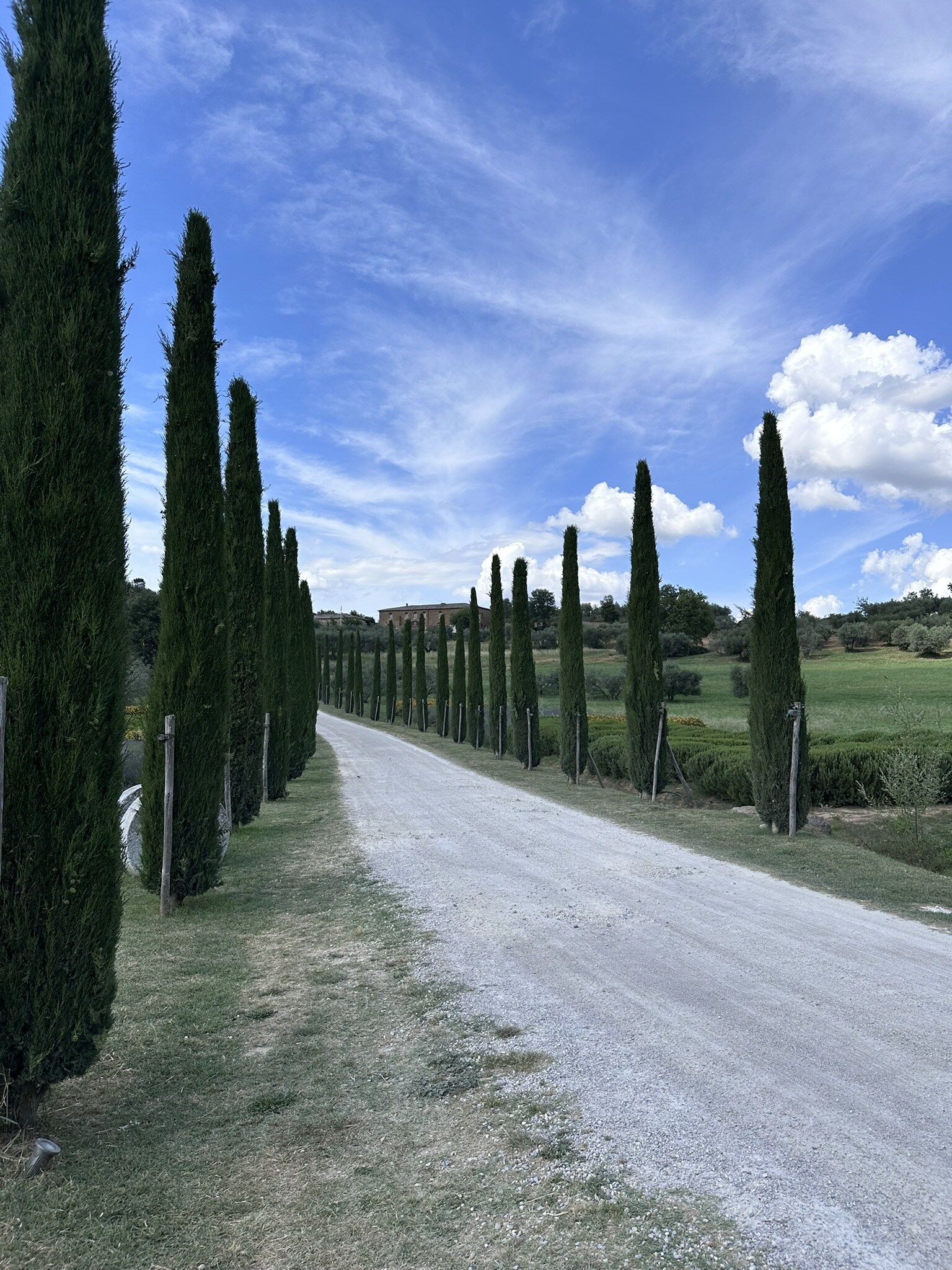
Agriturismo. A working farm with rented rooms and usually a pool. €140–€400 per night. Pros: pool, garden, breakfast on the terrace, sometimes vineyard or olive grove. Cons: needs a car, no walking-distance restaurants (usually), evenings are quiet.
Villa rental. An entire house, usually with pool. €1,500–€10,000+ per week. Pros: privacy, lots of space, self-cater. Cons: needs a car, you cook breakfast, less staff support than a hotel.
Small-town hotel or B&B. A 3–10-room property in a Tuscan small town (Greve, Pienza, Cortona, Volterra, Montalcino). €100–€220 per night. Pros: charm without isolation, walkable to one piazza, often €100–€200 cheaper than the equivalent in Florence. Cons: smaller selection of restaurants.
The split-base strategy
Most 7–10 day Tuscany trips work best with two bases. Three classic splits:
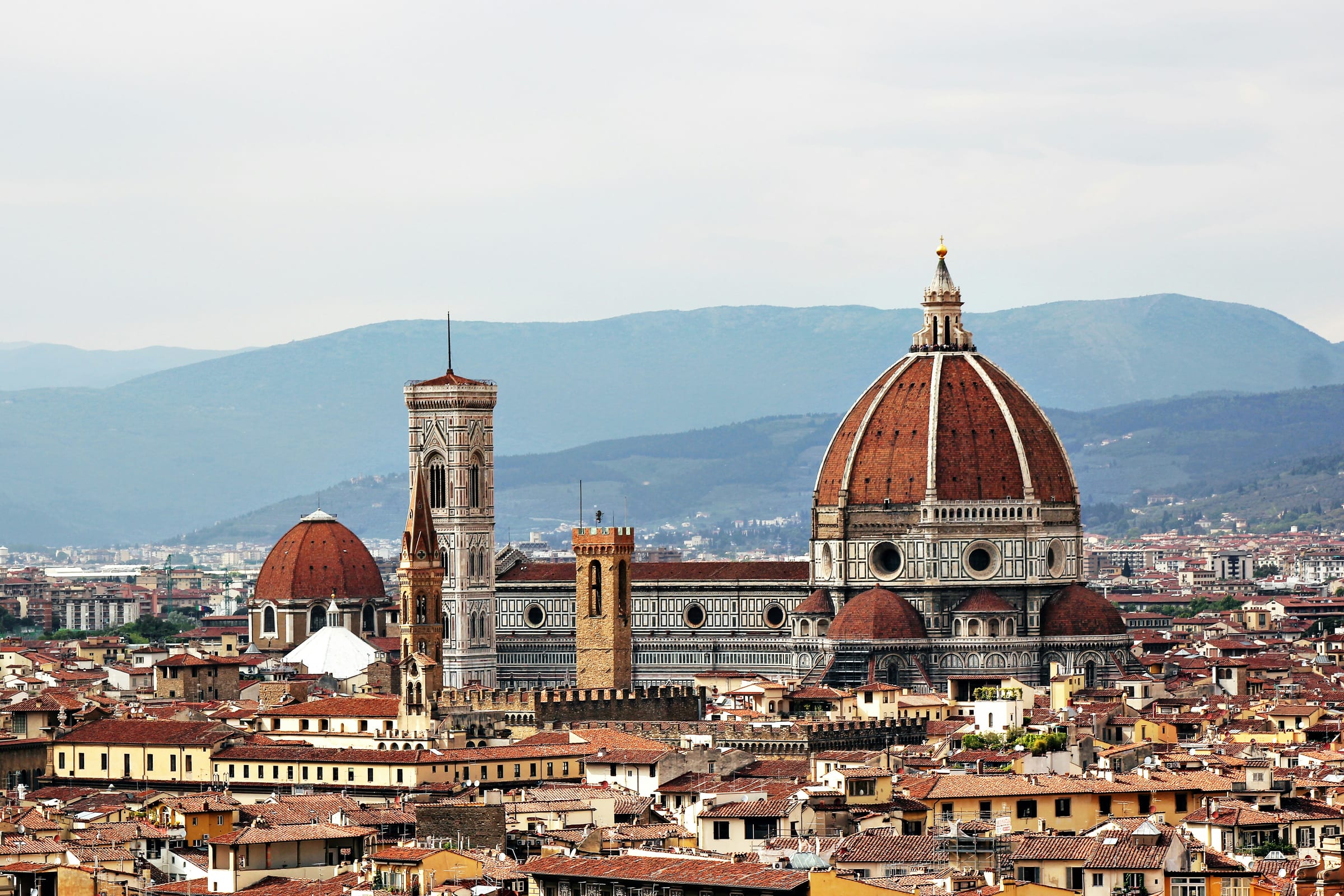
Florence + Chianti (4 + 3 nights). The default. Florence as cultural base; Chianti agriturismo as country base. Drive the 45 minutes from city to country on the changeover day. Suits first-time visitors, families with older children, food-and-wine focus.
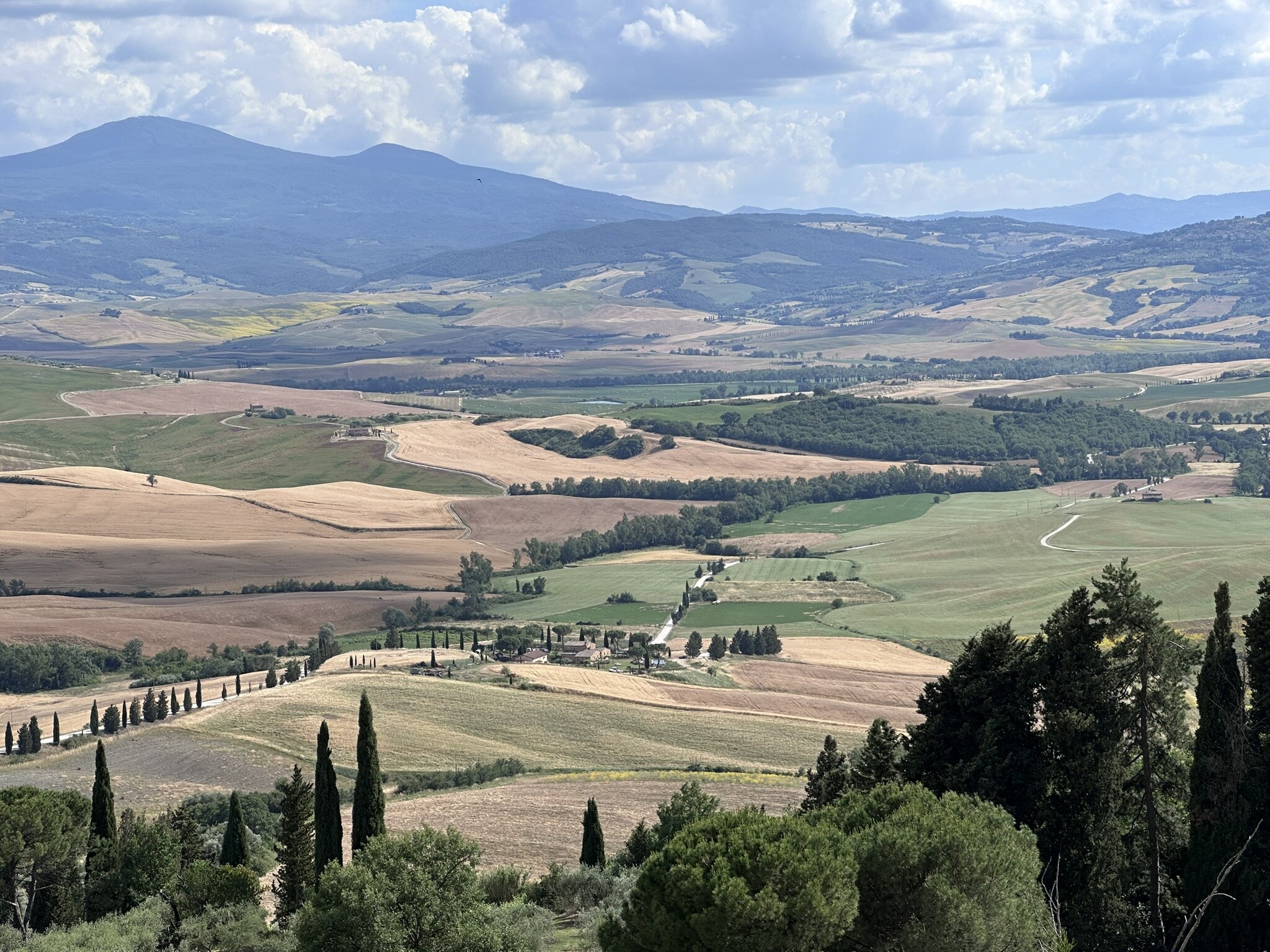
Florence + Val d'Orcia (4 + 4 nights). Higher cultural-density combination. Florence for the Renaissance city, Pienza or Montalcino for the photo Tuscany. 1.5 hours' drive between bases. Suits photographers, wine pilgrims, second-time visitors.
Lucca + Cinque Terre (3 + 3 nights). A coastal alternative. Lucca as the historic-town base (better than Florence for first-timers who find Florence overwhelming), Monterosso al Mare or Vernazza in the Cinque Terre. Suits walking holidays, summer beach combinations, those who want Tuscany without the typical bus tour itinerary.
Avoid more than three bases in 10 nights — changing hotels every other day eats half a day each time on packing, driving, checking in.
How to choose a Chianti agriturismo
Chianti has perhaps 1,000 properties advertising themselves as agriturismi. The good ones share these features.
It's a working farm. Italian law defines an agriturismo as accommodation on an active agricultural operation — vineyards, olive grove, sheep, whatever. The good ones still produce something you can taste; the bad ones grew vines once and now grow tourists.
Pool. Non-negotiable for May–September visits. Daytime temperatures hit 35°C; you'll want it.
Drive time to a town. 15 minutes to a real village with a restaurant or two. Longer than that and dinner becomes a chore.
Breakfast included. Most do. Skip places where it isn't.
Booking pattern. Book direct (not via Booking.com) — most agriturismi offer 10–15% off when you do. Email or WhatsApp the property; expect a 48-hour response time.
Editor picks. Casalvento (Gaiole in Chianti, working winery, €180–€280), Le Filigare (Barberino Val d'Elsa, €140–€220), Fattoria Pogni (Castelnuovo Berardenga, €160–€240).
How to choose a Florence hotel
Florence has 400+ hotels in the historic centre. Three things matter:
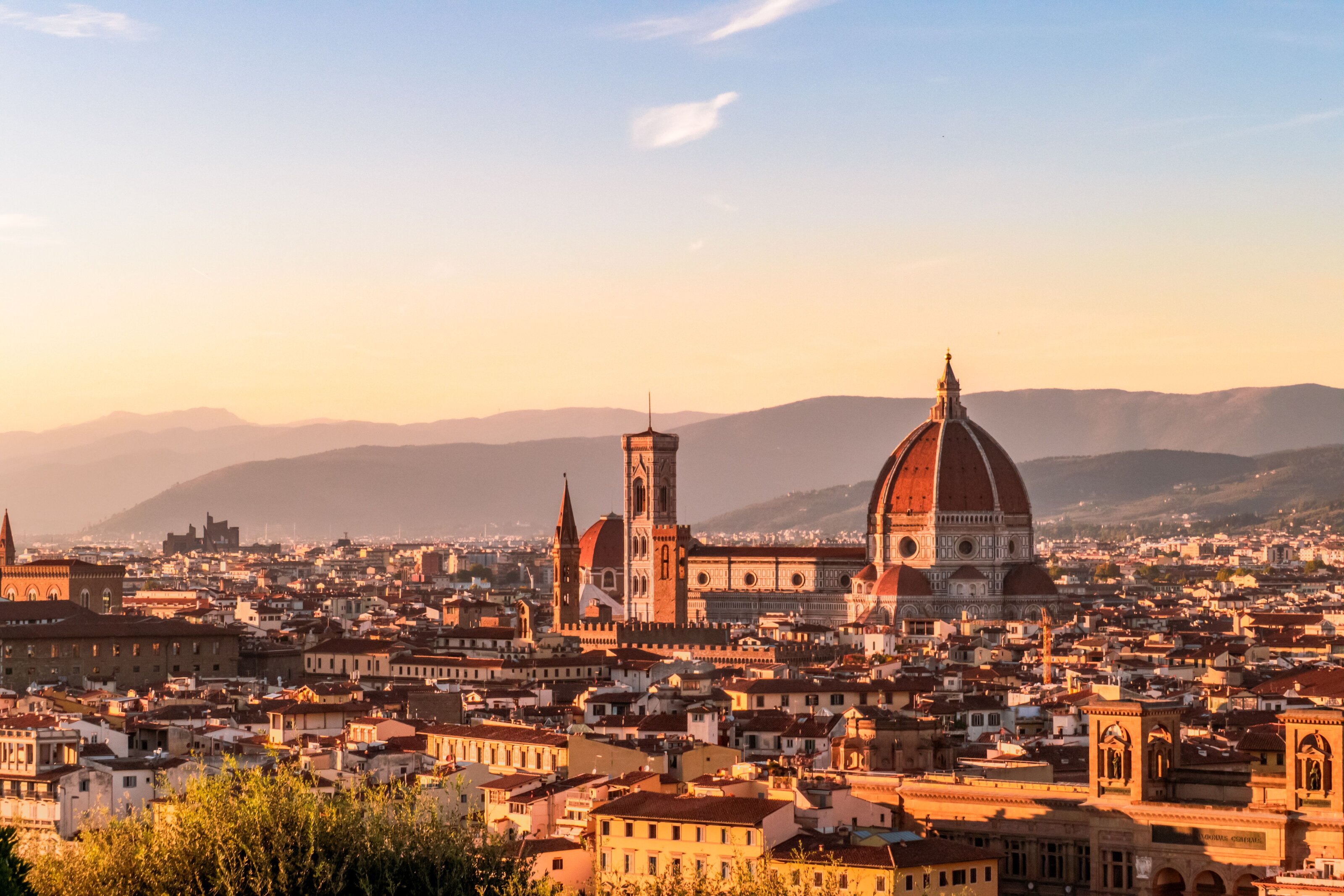
Side of the river. The Duomo side (Centro) is the standard — you wake up next to the cathedral and the Uffizi, but it's busier. The Oltrarno side (south of the Arno, Santo Spirito and San Frediano neighbourhoods) is quieter, more local-feeling, with the same 5-minute walk back across Ponte Vecchio. Most editors prefer the Oltrarno.
ZTL. The Limited Traffic Zone covers the historic centre. If you're arriving with a hire car, the hotel must register your plate with the police 24 hours ahead or you'll be fined €100+ per pass. Ask before booking. If renting a car for the wider trip, pick it up on departure day from a station outside the ZTL, or leave it at Garage Europa.
Editor picks by price band:
€350+: Portrait Firenze (Ponte Vecchio view, Ferragamo property), Riva Lofts (modernist boutique by the river).
€200–€350: Hotel L'Orologio (clock-collection theme, Piazza S. Maria Novella), Antica Torre di Via Tornabuoni (top-floor rooftop, central but quiet).
€120–€200: Hotel Davanzati (small family-run, central), Hotel Morandi alla Crocetta (former convent, near San Marco).
Under €120: Hotel Pendini (Piazza della Repubblica, three-star but central), Locanda Daniel (basic but well-located, B&B style).
Where to base by traveller type
First-time visitor, 7 nights. Florence 3 nights + Chianti 4 nights. The default for a reason. Cultural highlights + countryside calm.
Second-time visitor, 10 nights. Florence 3 + Val d'Orcia 4 + Lucca 3. Adds the photo Tuscany + a softer coastal-end finale.
Photographer, 7 nights. Pienza or Montichiello 5 + Florence 2. The light is the trip; the city is the encore.
Food and wine focus, 7 nights. Chianti 3 + Montalcino 4. Cellar visits in both regions; restaurants daily; pacing of two daily tastings without driving long distances.
Family with kids 6–12, 10 nights. Florence 3 + Castiglione della Pescaia (Maremma coast) 7. Beach base for the children with day trips into the hill towns.
Hiking holiday, 7 nights. Castelnuovo Garfagnana 4 (Apuan Alps) + Lucca 3. See our Apuan Alps guide.
Wedding party, 6 nights. Single villa rental in Chianti or Maremma. Sleeps 12–24. Drive to dinner each night; use one base for the whole trip.
The three mistakes first-timers make
1. Picking an agriturismo too far from any town. 'It's only 25 minutes' becomes an hour each way after the third evening. Map your shortlisted agriturismo to the nearest village with restaurants; under 15 minutes' drive is fine, over 25 is hard work.
2. Trying to do too many bases. Five hotels in 10 nights = five days of packing, driving, checking in. Two bases for 7 nights is the sweet spot; three bases for 10 nights is the maximum.
3. Booking too late for September. September is Tuscany's peak — vendemmia, perfect weather, lower temperatures. Bookings tighten in May for September; many of the best agriturismi sell out by early summer. June and October are easier.
What things cost
City hotels in Florence (3–4 star, central). €140–€250 per night low season; €220–€450 in peak (May, June, September, early October).
Chianti agriturismo (good quality, with pool). €160–€300 per night.
Val d'Orcia agriturismo. €180–€350 per night (slightly higher than Chianti for the same level).
Villa rental, sleeps 8–12. €3,500–€8,000 per week.
Small-town B&B (Cortona, Greve, Volterra). €100–€180 per night.
Coastal apartment (Maremma, Versilia). €120–€250 per night in season; €600–€1,500 per week.
Tax. Italian tourist tax is €1.50–€7 per person per night depending on the property's star rating; usually collected in cash at check-in.
Read on
Our essentials guide covers practical basics — when to come, how to get around, what to bring. The region pillars (Firenze, Siena, Lucca) cover the town-by-town nuance. The Pienza and Val d'Orcia guide goes deeper on the photo-Tuscany base options.
Frequently asked.
- Is it better to stay in Florence or the countryside?
- Both, ideally — a split base. 3–4 nights in Florence for the cultural sites, then 3–4 nights at a Chianti agriturismo for the country experience. Single-base trips compromise on one side or the other. The Florence-only base means no Tuscan countryside; the agriturismo-only base means driving 45+ minutes to Florence and back.
- What is an agriturismo?
- Italian law defines it as accommodation on a working agricultural property — vineyard, olive grove, sheep farm, etc. The good ones still produce something you can taste at breakfast; the lesser ones grew vines once and now grow tourists. Expect a pool, breakfast included, 5–20 rooms, and a 10–25 minute drive to the nearest restaurant.
- When should I book Tuscan accommodation?
- Six months ahead for May, June and September (the three peak months) — the best agriturismi and city boutique hotels sell out. Three months ahead for July and August. One month ahead for April, October, and the shoulder season. November–March often has same-week availability except over public holidays.
- Do I need a car if I'm staying at an agriturismo?
- Yes. Agriturismi are by definition rural; most are 5–15 km from the nearest village, and few are served by public transport. If you're without a car, base in Florence, Lucca or Siena and take day trips by train/bus.
- What's the best small town to base in?
- Greve in Chianti (for Chianti), Pienza (for Val d'Orcia), Montepulciano (for Vino Nobile), or Cortona (for east Tuscany). All are walkable, have multiple good restaurants, and let you skip the agriturismo drive-to-dinner pattern.
Keep reading.
When to come: a month-by-month field guide
Weather, crowds, festivals and what's on the plate, broken down.
Florence vs Siena — which to base in
Two great Tuscan cities, two very different stays. The honest comparison: art, food, crowds, cost, day trips.
Chianti vs Val d'Orcia — which to base in
Both inside Siena province, both world-famous, very different trips. Wine, landscape, crowds, drive times, and which one suits you.