 ← All regions
 Firenze
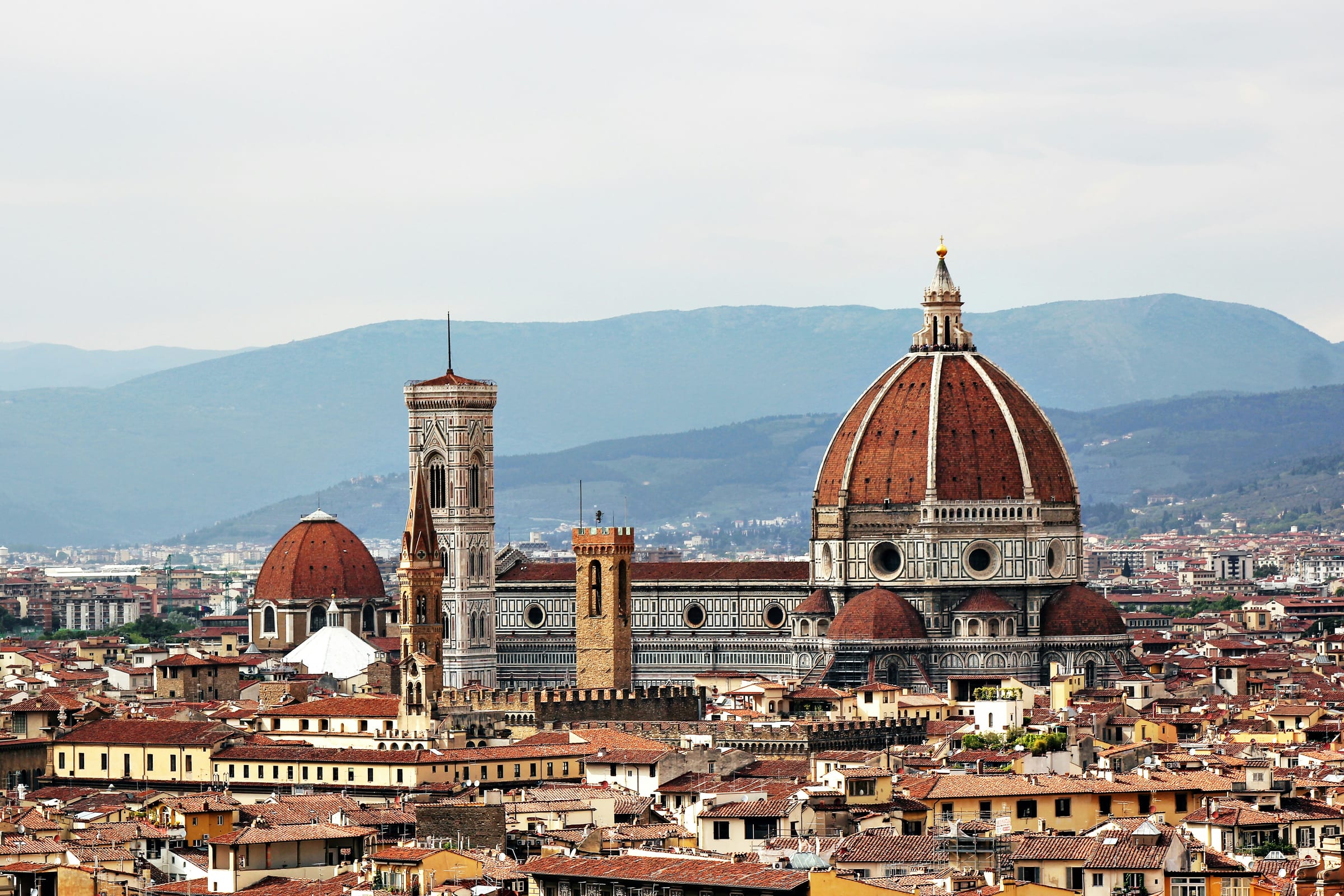
The cradle of the Renaissance — Brunelleschi's dome, the Uffizi, Ponte Vecchio at dusk.
What to see.
Duomo di Santa Maria del Fiore
Highlight · Firenze
Uffizi Gallery
Highlight · Firenze
Oltrarno artisan quarter
Highlight · Firenze
Piazzale Michelangelo at sunset
Highlight · Firenze
About Firenze
A short history
Florence is the city the modern world borrows from. Between the 14th and 16th centuries a single ruling family — the Medici — and a generation of artists working in their orbit redrew European ideas of art, architecture, banking, and science. Brunelleschi solved a dome the Pantheon engineers couldn't match. Botticelli, Michelangelo, Leonardo, Donatello and Vasari all lived inside a square mile of riverbank.
What survives is a centre that's barely changed shape since 1500. The medieval grid is intact. The Arno still floods (last seriously in 1966 — the high-water plaques are on building corners across the Oltrarno). The walls that Cosimo the Elder commissioned still circle the old city, though most are now garden walls of villas that grew up against them.
Two practical consequences: distances are small (everywhere worth visiting is a 25-minute walk from the cathedral) and the historic centre is UNESCO-listed end-to-end. That means no skyscrapers, very little chain retail, and strict planning rules that keep the skyline a forest of terracotta tile and bell towers.
Where to base
Three neighbourhoods, three different trips.
Duomo / Centro Storico. Walk-everywhere convenience. Wake up to the bell. The compromise is noise and price — you'll pay €280–€450/night for a small room in July, and tour groups fill the streets between 9am and 6pm.
Santa Croce. Quieter, less polished, more local. Stays in the centre but east of the cathedral — Sant'Ambrogio market, antique workshops, traditional trattorie. Mid-priced (€180–€280) and our default recommendation for a first visit.
Oltrarno. The artisan quarter across the river. Workshops in leather, gilding, bookbinding, picture-framing still operate at street level — most of them family-run for generations. Quieter at night, livelier in early evening when locals come out for spritz. Pricing similar to Santa Croce but more atmospheric.
We steer travellers away from anywhere out by Florence airport (FLR) or the Novoli business district — both technically Florence but practically a 30-minute tram ride from anything worth seeing.
What to see
The Duomo complex. Cathedral, Brunelleschi's dome, Giotto's bell tower, baptistery. Skip the cathedral interior (it's plain — most of the art is in the Opera del Duomo Museum, included on the same ticket). Book the dome climb six weeks ahead in season; book it for early morning, before the queue and before the heat at the top.
Uffizi Gallery. Two hours minimum, four hours if you read every label. The route is roughly chronological — Cimabue and Giotto in room 2, Botticelli (Primavera, Birth of Venus) in room 10, Leonardo in 35, Michelangelo's Doni Tondo in 38, Caravaggio's Medusa in 90. Pre-book online, choose an entry slot before 11am or after 4pm.
Galleria dell'Accademia. One room matters — Michelangelo's David. Worth the 20-minute visit and the queue, especially if you also do the Bargello (smaller, less crowded, Donatello's bronze David in the same lineage).
Oltrarno. Cross at Ponte Santa Trinita (better view of Ponte Vecchio than Ponte Vecchio itself). Walk the artisans' streets — Via Maggio, Borgo San Frediano, Via Santo Spirito — then up to Piazzale Michelangelo at sunset for the only viewpoint that shows the whole skyline at once.
Mercato Sant'Ambrogio. Working market. Get there by 10am, stand at the counter for an espresso, then circle the stalls. Lunch upstairs at the no-frills cooperativa for €15.
What to skip
Ponte Vecchio jewellery shops. Tourist pricing, indifferent quality. The atmosphere of the bridge is the point — walk it, photograph it from upstream, don't shop there.
Eating on Piazza della Signoria. Every restaurant on this square exists to feed tour groups in 45-minute sittings. Walk three blocks in any direction for half the price and twice the food.
The leather school inside Santa Croce. Genuinely interesting craft history, but every cruise group is funnelled through it. Visit any proper leather workshop in Oltrarno instead — Scuola del Cuoio is the famous one but smaller, family-run places do the same work cheaper.
Pitti Palace at peak season. The collections are excellent but the rooms are airless and the queues unreasonable in July. Wait for shoulder season; if you must visit, target the Boboli Gardens (separate ticket, much less crowded).
Best time to visit
Two windows: late April through mid-May, and the second half of September through October. Daytime temperatures sit between 18°C and 25°C, restaurant terraces are open, and the museums are bookable without four weeks' notice.
June. Reliably sunny, comfortable temperatures, but European school holidays start mid-month and Florence fills up fast.
July–August. Hot (33–37°C inland), expensive, crowded. Many Florentines decamp to the coast and small restaurants close for ferie in mid-August.
November. Quiet, often clear, museum queues evaporate. Days are short and some places close earlier. New-season olive oil hits the markets — worth a visit on its own merit.
December–February. Properly off-season. Cold (occasional snow), short days, but rooms are 40–50% cheaper and museums feel domestic again. Christmas markets in mid-December are pretty without being overwhelming.
Getting there
By air. Florence (FLR) handles direct flights from London, Paris, Amsterdam, Frankfurt and ~30 other European cities; the airport is 5km from the centre, served by Tramvia line 2 (€1.70, 21 minutes to Santa Maria Novella). Pisa (PSA, ~85km west) gets the budget carriers — there's an hourly direct train to Florence (~1h 5m).
By train. Rome to Florence on the Frecciarossa is 1h 30 door to door. Milan is 1h 50. Venice is 2h 5. Pre-book to lock in seat assignments and the cheapest fares; walk-up fares double on the day of travel.
By car. Don't, unless you're continuing into the Tuscan countryside afterwards. The historic centre is a ZTL (limited traffic zone — cameras read your plate). Hotel will register you for a one-off pass, but the streets are narrow, parking is €30+/day, and the city is walkable end-to-end.
Day trips from Florence
Florence makes the best day-trip base in central Italy.
Siena — 90 minutes by direct bus (faster than the train, which detours via Empoli). Stay until sunset for the soft light on the Piazza del Campo.
San Gimignano — 1h 20m, change buses at Poggibonsi. Towers, Vernaccia, gelato that's actually as good as the reputation. Quiet by 5pm when day-tour groups leave.
Pisa — 55 minutes by regional train. Half a day is plenty. Combine with Lucca on a single ticket (Pisa → Lucca is another 30 minutes).
Chianti — needs a car or a guided tour. The classic loop is Greve → Panzano → Radda → Castellina, four hours of driving with stops. See our seven-day Chianti itinerary for the unhurried version.
Practicalities
Museum bookings. Uffizi, Accademia, and the Duomo dome climb all require pre-booking in season. Use the official Opera del Duomo and Uffizi websites — the third-party resellers add €5–€15 per ticket. Free state-museum admission on the first Sunday of every month means double the crowds; skip those.
Tickets. The Firenze Card (€85, 72 hours) is only worth it if you're hitting four major museums in three days. Most visitors don't.
Tipping. Not expected. Coperto (cover charge, €2–€4 per person) is on every bill and replaces it. Round up to the nearest euro for good service if you want.
Cash. Cards accepted almost everywhere; carry €50 in cash for markets and the rare older trattoria. ATMs are everywhere; use bank ATMs (Intesa, Unicredit, Monte dei Paschi) rather than the airport-style ones that charge a 5% conversion.
Festivals. Easter has the Scoppio del Carro (Easter Sunday, exploding cart at the Duomo, free and free of tour groups). Calcio Storico happens late June — sixteenth-century football, brutal, riotous, deeply local.
The wine windows. 280 surviving buchette del vino — small hatches cut into palazzo walls in the 1500s for cellar-to-street wine sales — are scattered across the historic centre. About a dozen are still in use. See our Florence wine windows guide for a five-stop walking tour.
Read our practical basics before you book — when to come, where to base, how to get around.
Stories from Firenze.
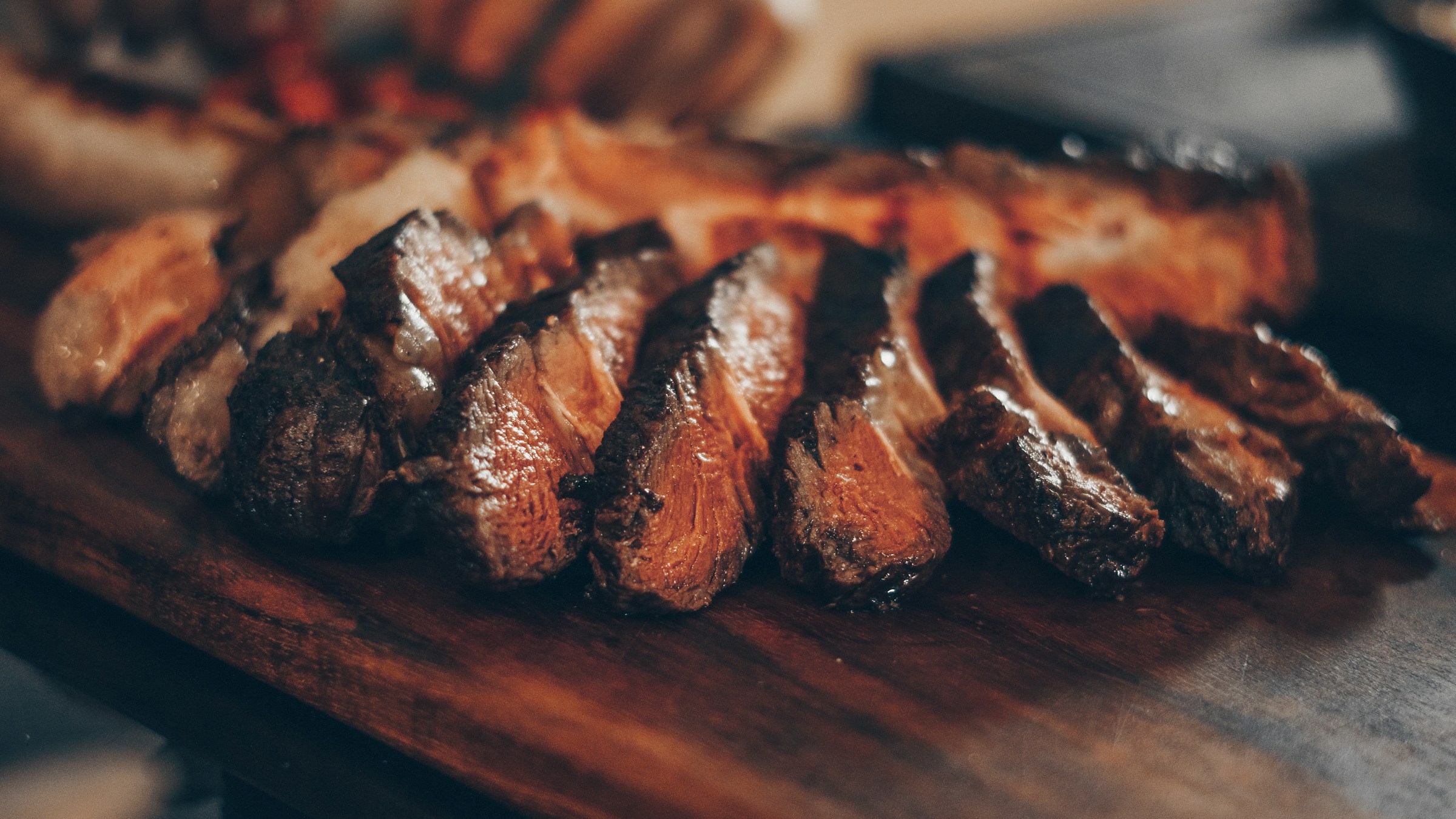
Bistecca alla Fiorentina, demystified
Chianina beef, a very hot grill, and salt. There is no secret — but there are rules.
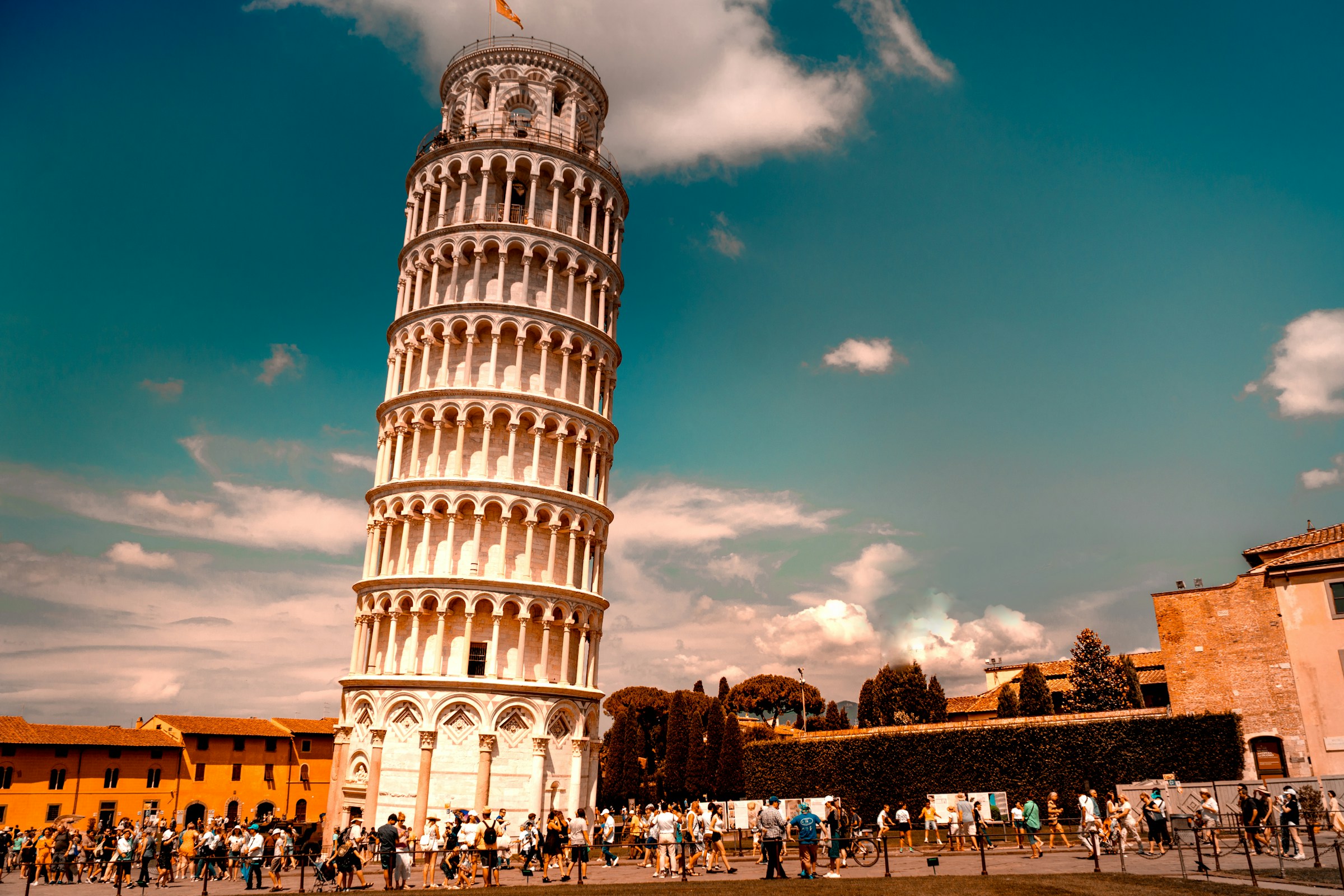
Day trips from Florence by train
Twelve destinations reachable without a car, sorted by travel time and what to do when you get there.
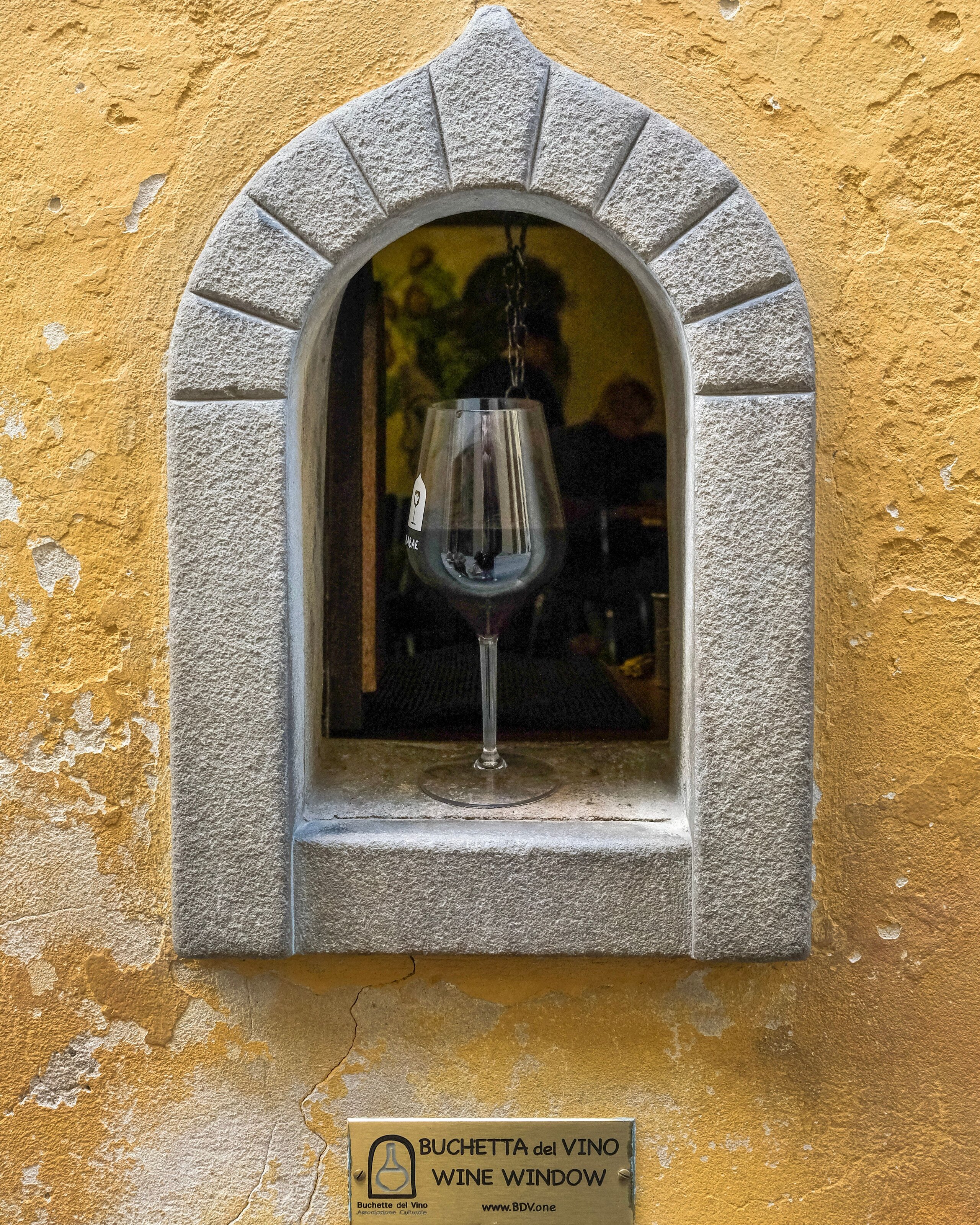
Florence's wine windows — the buchette del vino, demystified
Cellar-to-street wine hatches cut into palazzo walls in the 1500s. Plague-proof in 1630. Quietly re-opened in 2020. Where to find a working one today.