The shape of Tuscany.
Tuscany covers roughly 23,000 km² between the Apennines and the Tyrrhenian Sea. The ten provinces are the official administrative map; for trip-planning, most visitors find it useful to think in five looser holiday zones that cross provincial borders: the Renaissance core (Firenze and Prato), the vineyard heart (Siena — covering Chianti, Crete Senesi and the Val d'Orcia), the walled-city west (Lucca and Pisa), the salt coast and islands (Livorno, Grosseto and the Tuscan archipelago), and the quiet north and east (Pistoia, Arezzo and Massa-Carrara's marble mountains).
The official provinces matter for car-hire, train tickets and local-tax purposes; the holiday zones matter when you're picking where to base. Most three- to seven-day trips work best from a single province, with day trips into one or two neighbours. Distances are short — no two Tuscan provincial capitals are more than three hours apart by car, and many are under an hour. See our practical planning basics for transport specifics, or jump straight into the food and wine pillar if eating is driving the trip.
Every Tuscan province, compared.
| Province | Character | Best for | Nearest hubs |
|---|---|---|---|
| Firenze (Florence) | Renaissance city on the Arno | Art & architecture · Food | Florence is the hub · Pisa airport 1h · Siena 1h 15m |
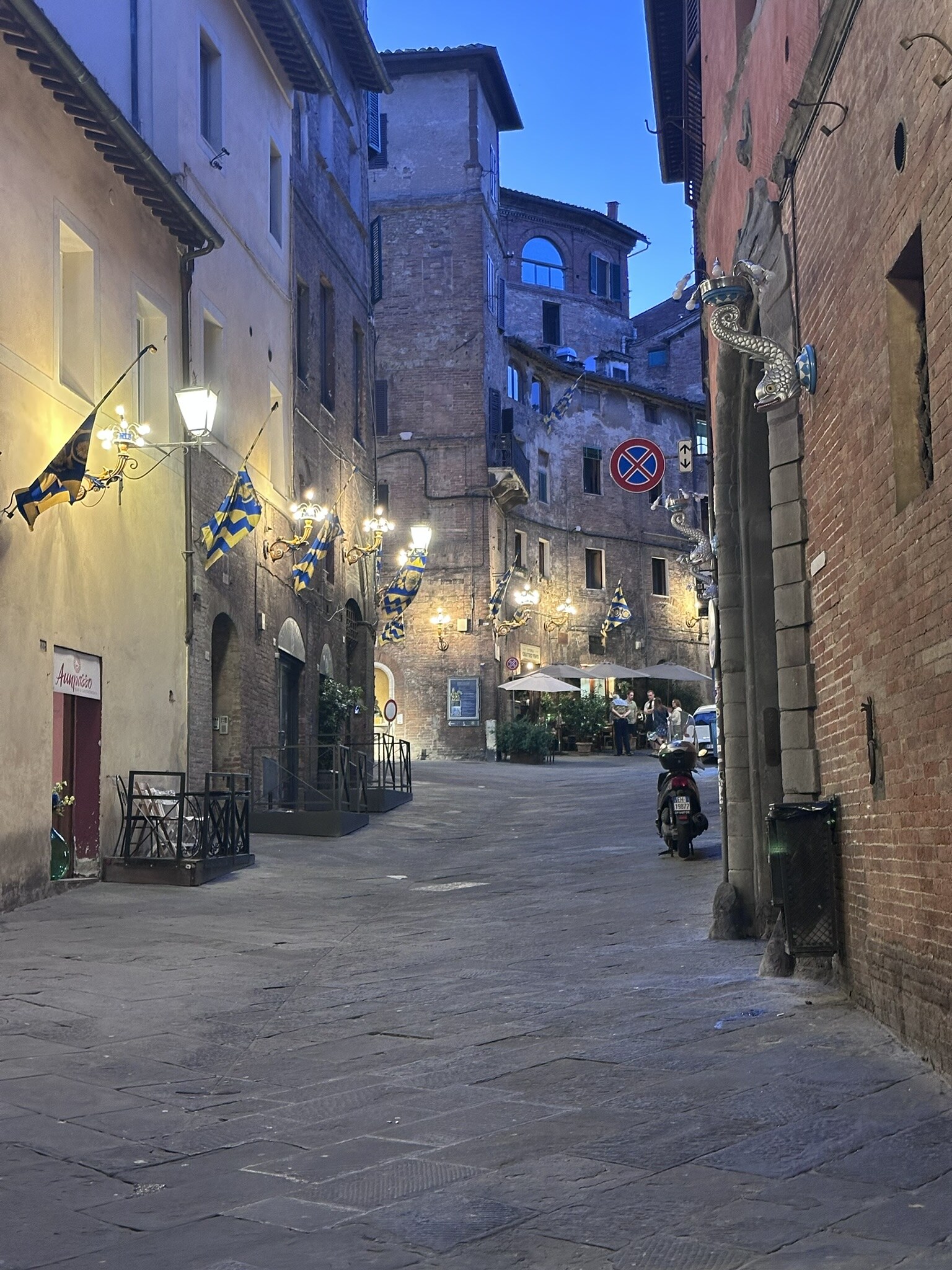
| Siena | Gothic hilltop city in vineyard country | History · Hills | Florence 1h 15m · Pisa airport 2h · Arezzo 1h |
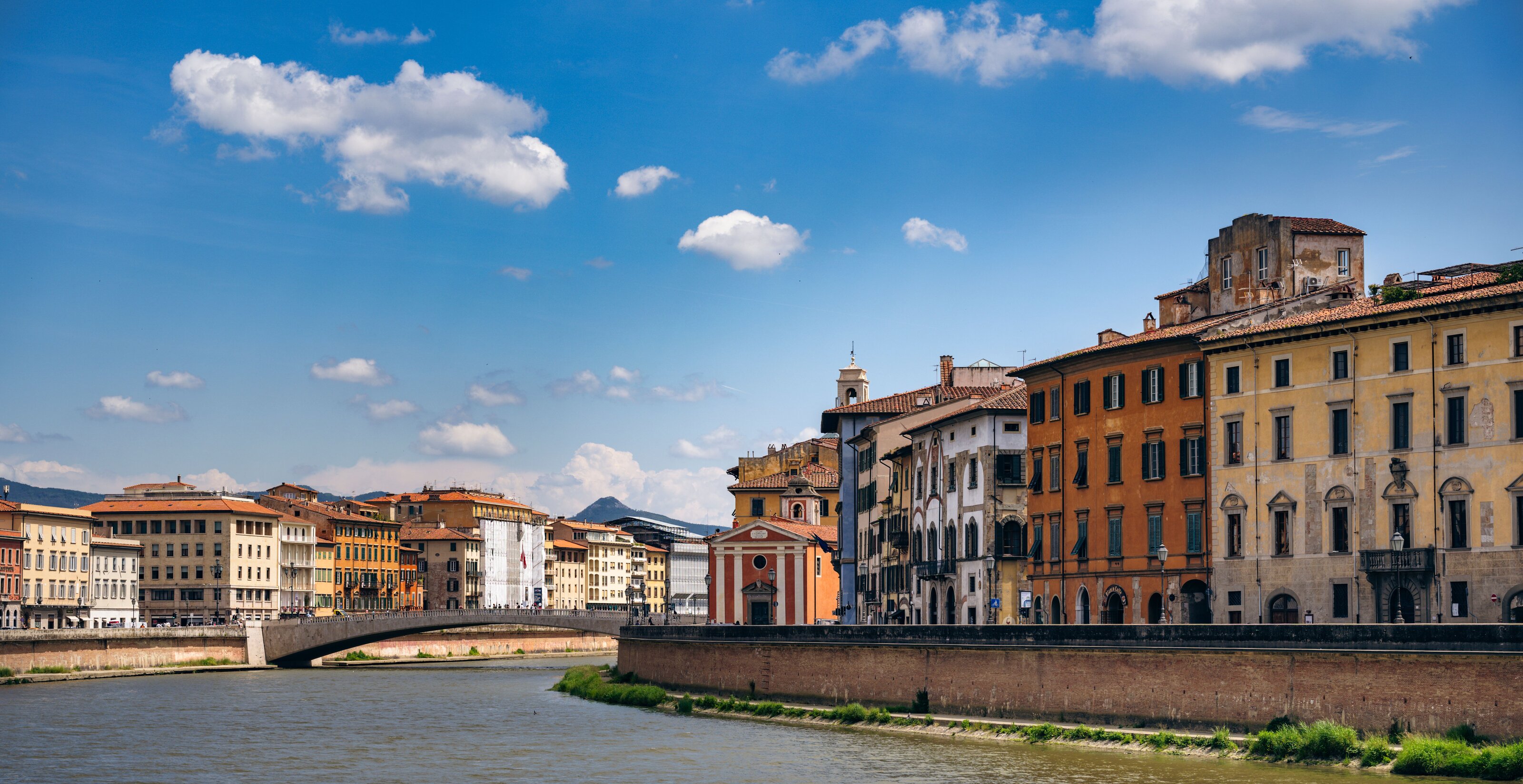
| Pisa | Maritime plain with the leaning tower | Families · Architecture | Florence 1h · Lucca 30 min · Pisa airport on the doorstep |
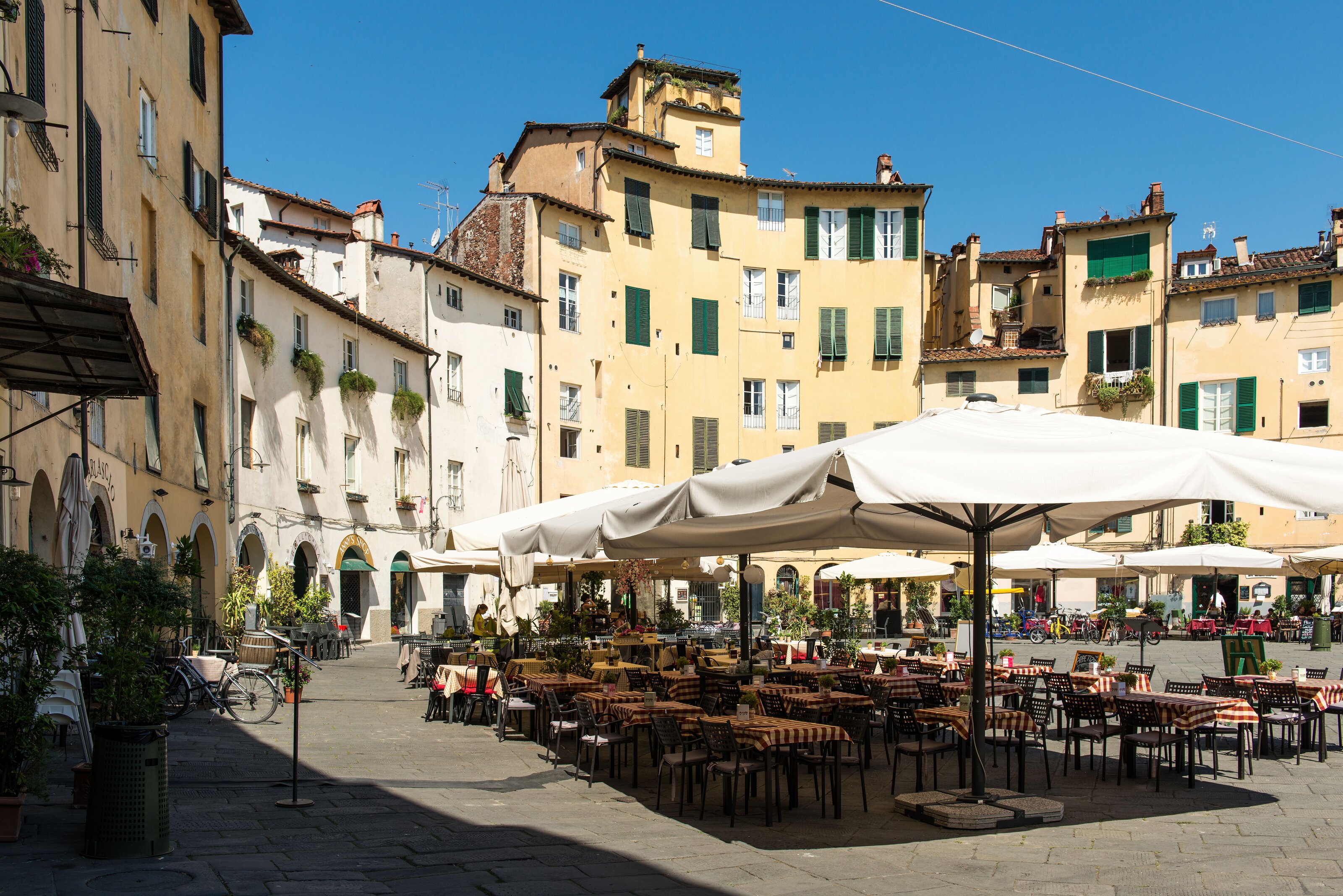
| Lucca | Walled flat city ringed by Renaissance ramparts | Slow travel · Cycling | Pisa 30 min · Florence 1h 20m · Versilia coast 30 min |
| Livorno | Port city with the Tuscan archipelago offshore | Seafood · Beaches | Pisa 20 min · Florence 1h 30m · Elba ferry from Piombino |
| Grosseto | Wild coastal plain with Maremma wetlands and tufa towns | Nature · Thermal springs | Siena 1h 30m · Rome 2h · Saturnia springs 45 min |
| Arezzo | Eastern hill country bordering Umbria | Art · Antiques | Florence 1h 30m · Siena 1h 20m · Perugia (Umbria) 1h |
| Pistoia | Quiet medieval stone city on the Florence–Lucca plain | Low-key culture · Mountains | Florence 45 min · Lucca 50 min · Apennines on the doorstep |
| Prato | Industrial-edge town with a surprising contemporary art scene | Contemporary art · Shopping | Florence 25 min · Pistoia 20 min · Bologna 1h 15m |
| Massa-Carrara | Marble mountains meeting the Versilia coast | Hiking · Beaches | Pisa 40 min · La Spezia 30 min · Cinque Terre 1h |
A region of regions.
Tuscany is not one place — it is ten. Each province keeps its own dialect, its own dish, its own saint's day. Start anywhere.
Which Tuscan region is right for your trip?
First visit, want it all. Base in Firenze (4–5 nights) and add Siena (2–3 nights). You'll cover Renaissance Florence, Chianti vineyards, the Val d'Orcia and San Gimignano with minimal driving. See the seven-day Chianti itinerary for the between-cities leg.
Wine and slow countryside. Siena province is the wine heartland — Chianti Classico in the north, Brunello di Montalcino and Vino Nobile di Montepulciano in the Val d'Orcia. Pair with the food and wine pillar before booking.
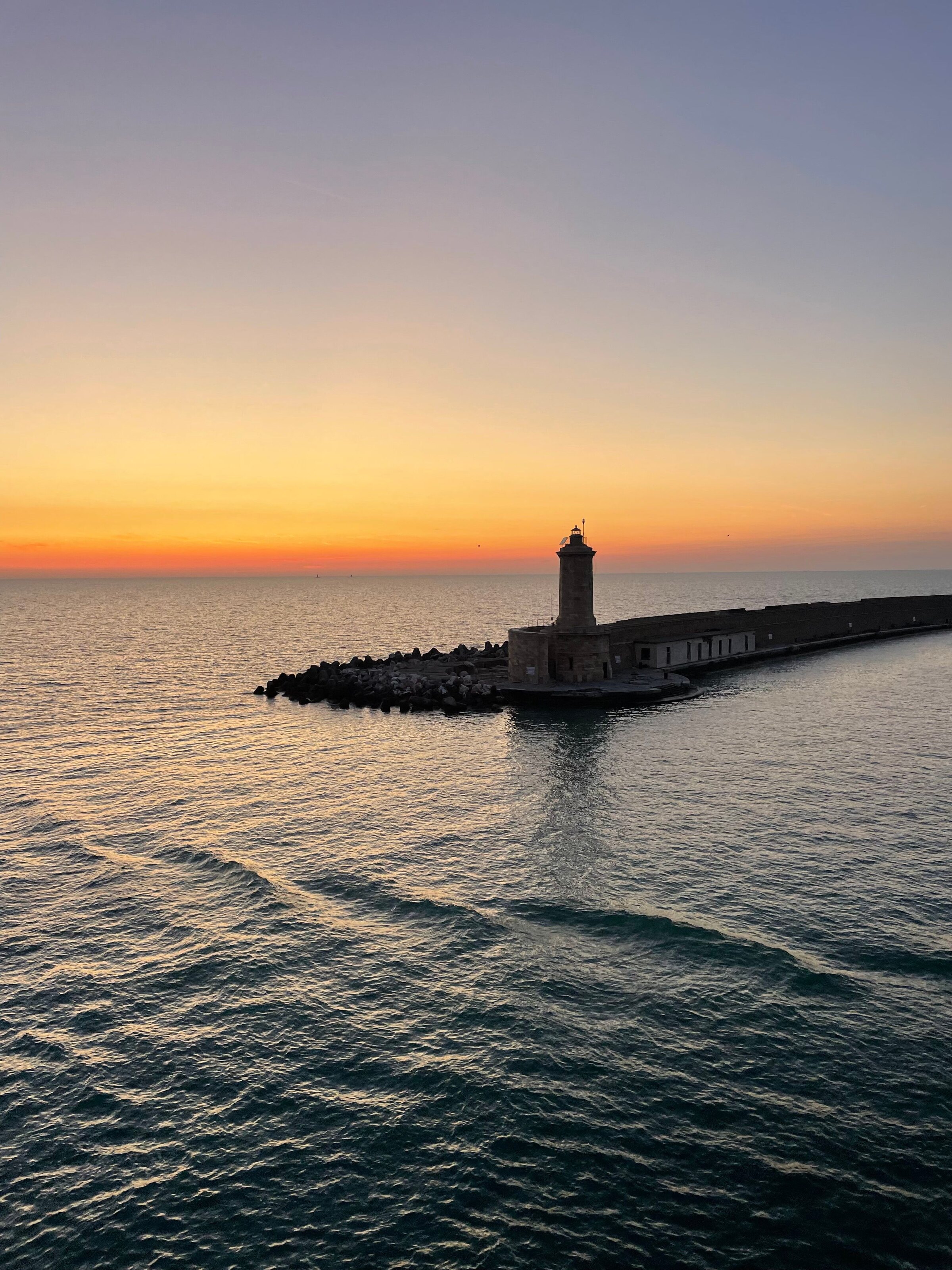
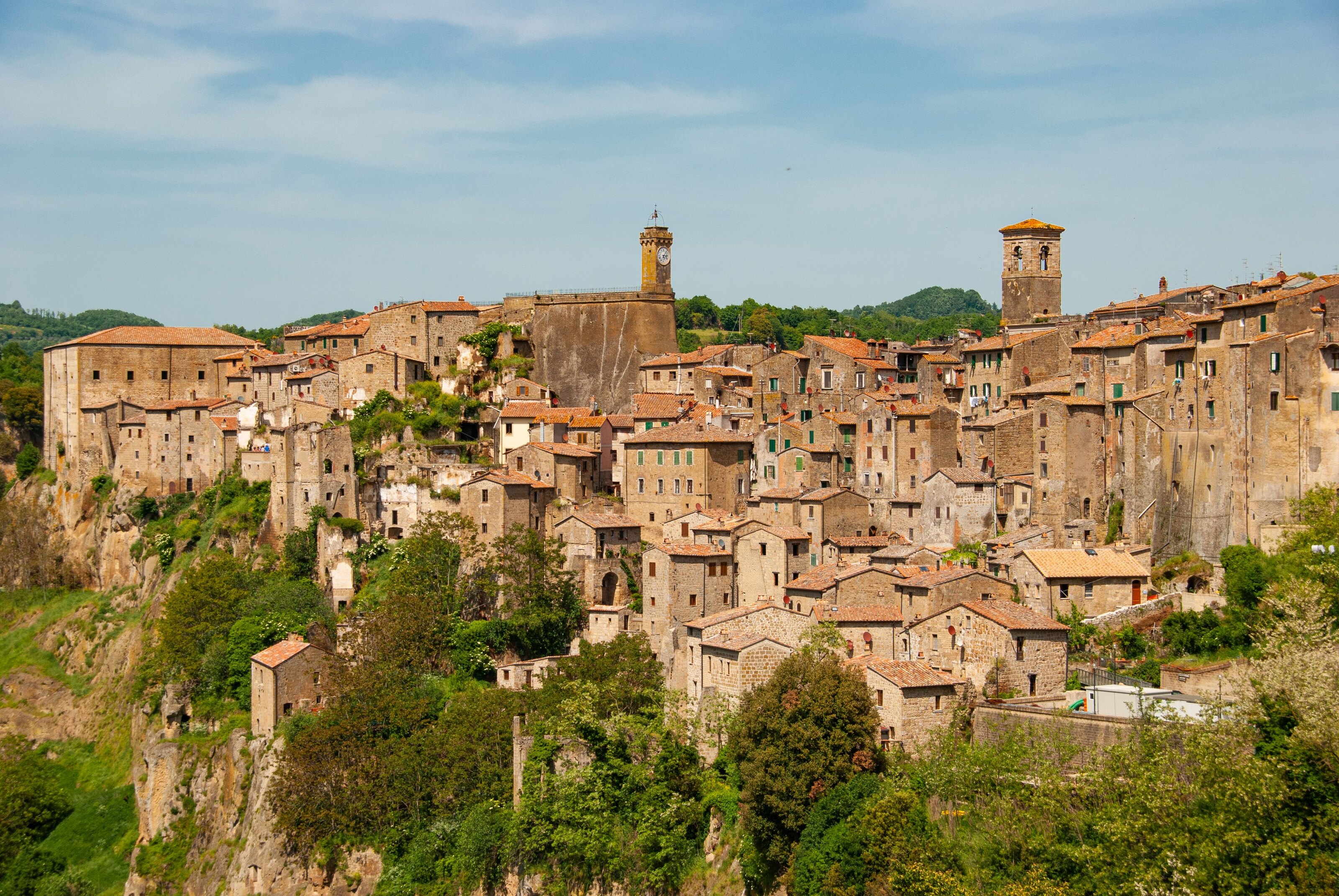
Beach plus countryside. Only Livorno, Grosseto (Maremma) and the Massa-Carrara Versilia stretch deliver proper coast. Livorno gets the Elba ferry; Grosseto gets the free Saturnia hot springs and Pitigliano's tufa towns.
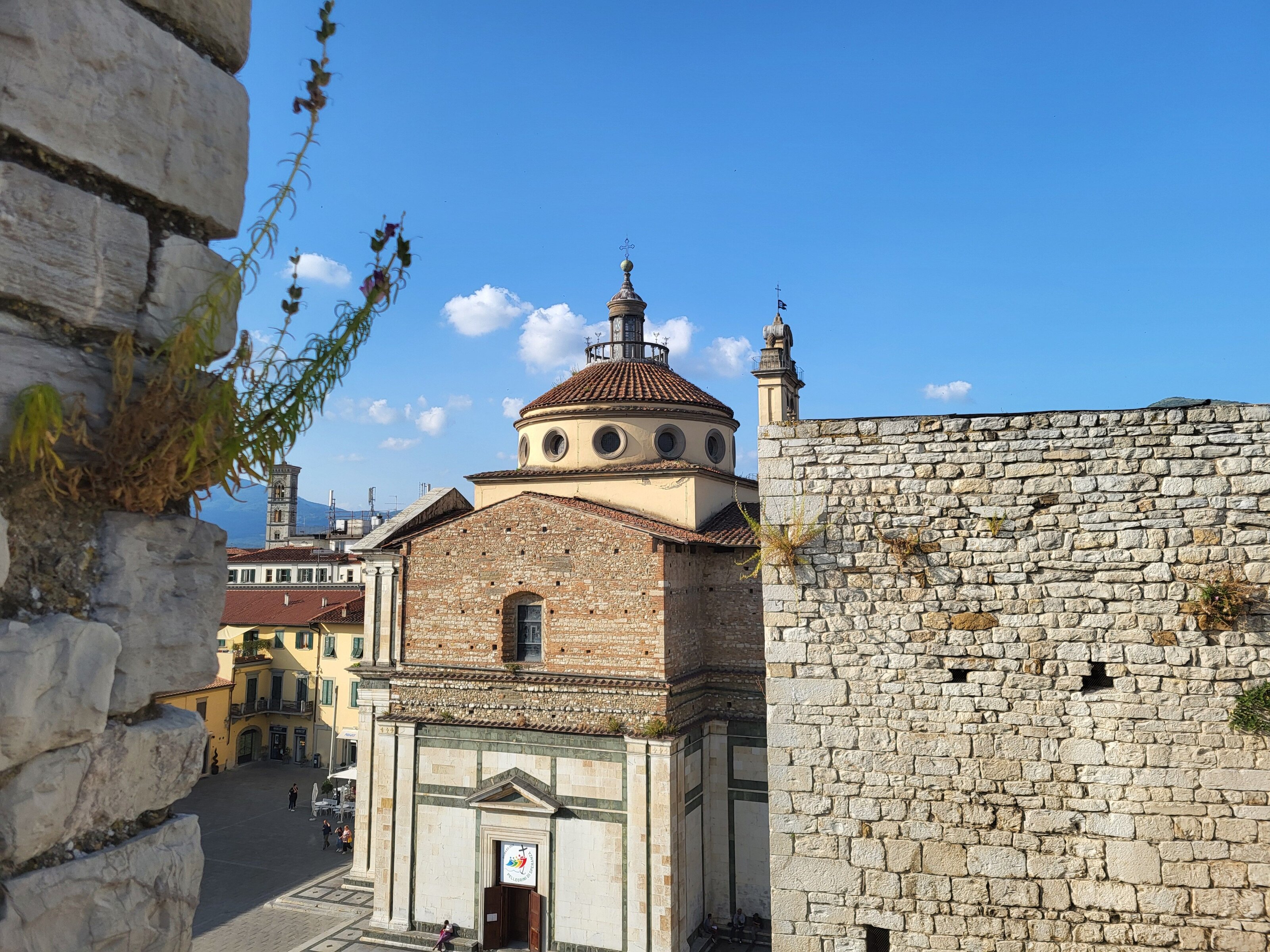
Quieter, fewer queues. Lucca is the perfectly preserved walled city; Pistoia and Prato sit in Florence's commuter belt but draw a fraction of the visitors; Arezzo in the east hosts the antiques fair and Piero della Francesca's frescoes (see the Cortona & Arezzo guide).
Hiking, marble, mountain air. Massa-Carrara hides the Apuan Alps traverse and the marble quarries above Carrara; the higher Garfagnana runs 5–8°C cooler than Florence in summer.
Tuscany, in one view.
Hover a dot to preview the province. Click to open the regional guide.
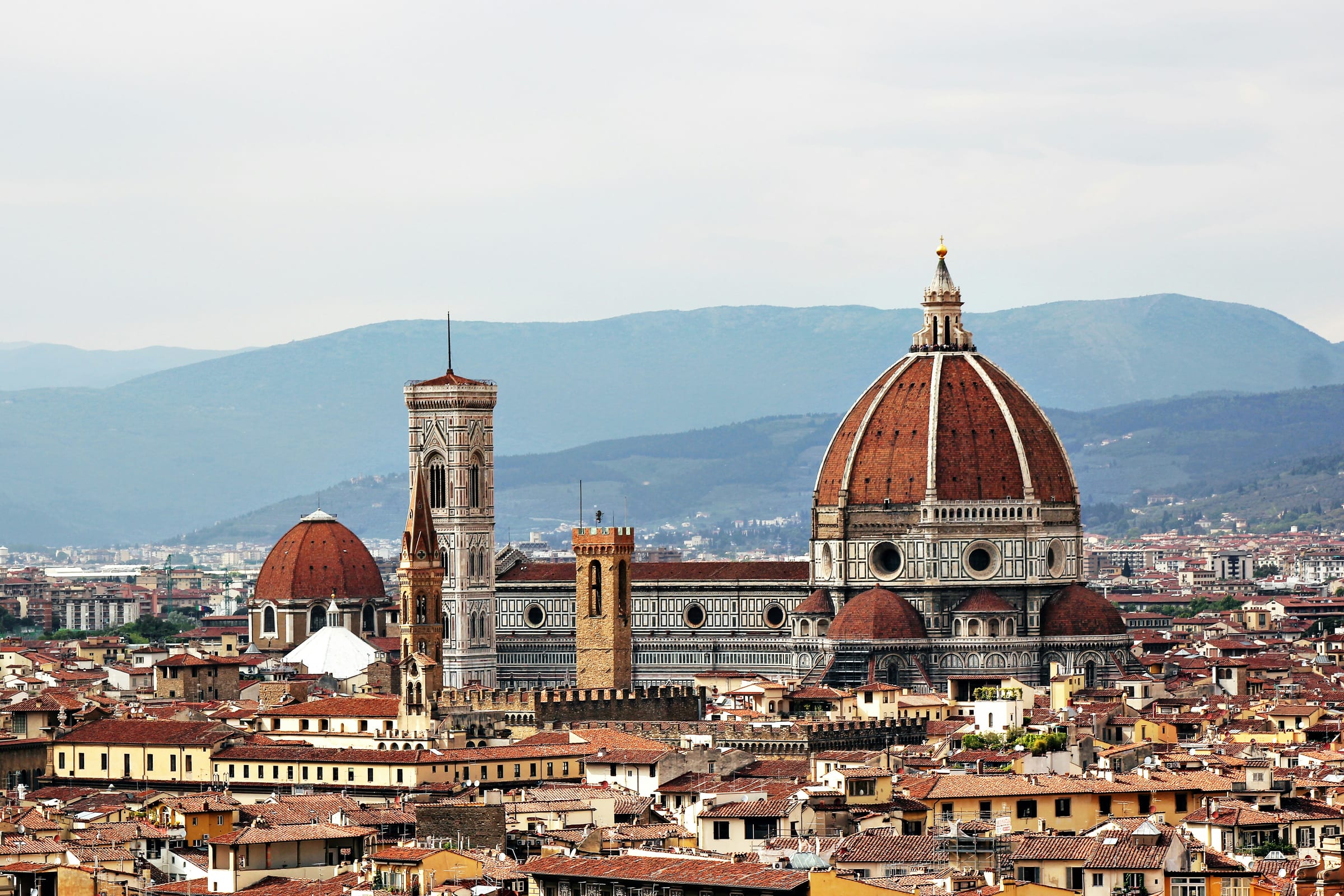
Firenze
The cradle of the Renaissance — Brunelleschi's dome, the Uffizi, Ponte Vecchio at dusk.
- Duomo di Santa Maria del Fiore
- Uffizi Gallery
- Oltrarno artisan quarter
- Piazzale Michelangelo at sunset
Frequently asked.
- What are the regions of Tuscany?
- Tuscany is officially divided into ten provinces: Firenze (Florence), Siena, Pisa, Lucca, Livorno, Arezzo, Pistoia, Prato, Massa-Carrara and Grosseto. Each has its own dialect, cuisine and landscape — from the Renaissance core of Florence to the Maremma wetlands of Grosseto.
- How many provinces does Tuscany have?
- Ten. The 2009 administrative reform consolidated several smaller areas; the current ten Tuscan provinces are listed above.
- Is Tuscany a region of Italy?
- Yes — Tuscany (Italian: Toscana) is one of Italy's twenty regions, in the central-western part of the country. The regional capital is Florence and it is itself divided into the ten provinces listed above.
- Which region of Tuscany is best for a first visit?
- For most first-time visitors, Firenze (Florence) or Siena are the practical starting points — both put Renaissance art, Chianti wine country and the Val d'Orcia within an hour. Lucca is the quieter alternative if crowds matter more than landmarks.
- What is the difference between Chianti and the Val d'Orcia?
- Both sit inside the province of Siena. Chianti runs between Florence and Siena and is vine-covered, central and easy to road-trip; the Val d'Orcia sits south of Siena and is the UNESCO postcard landscape of cypresses, Brunello vineyards and Pienza pecorino. See the Pienza and Val d'Orcia guide for the southern side and the Chianti seven-day itinerary for the northern side.
- Which Tuscan region has beaches?
- Livorno covers the long coast and the islands (Elba, Giglio, Capraia); Grosseto covers the wilder Maremma coast in the south, including Castiglione della Pescaia and Monte Argentario. Massa-Carrara holds the Versilia coast in the north.