 ← All regions
 Massa-Carrara
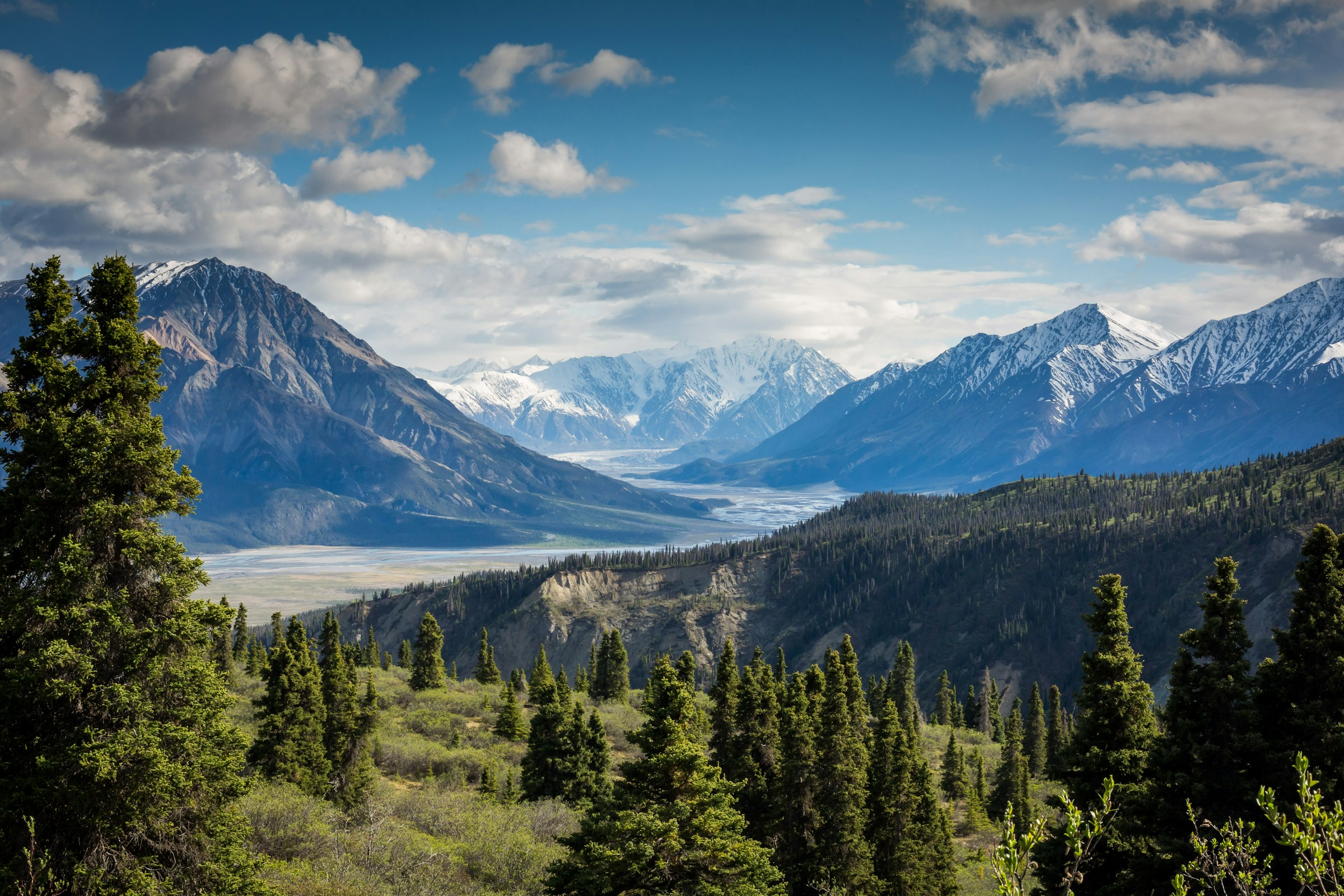
The Apuan Alps plunge into the Versilia coast — marble quarries above, beach clubs below.
What to see.
Carrara marble quarries
Highlight · Massa-Carrara
Forte dei Marmi beach
Highlight · Massa-Carrara
Lunigiana castles
Highlight · Massa-Carrara
Apuan Alps hikes
Highlight · Massa-Carrara
About Massa-Carrara
A short history
Massa-Carrara is two provinces in one — narrow, vertical Tuscany running from the Apuan Alps down to the Versilia coast in 15 kilometres. The Apuan marble has been quarried continuously since Roman times; Michelangelo himself walked the quarries above Carrara to select the block for his David, and the basins of Polvaccio and Fantiscritti still produce most of the world's finest sculptural marble.
The coast is something else entirely. Versilia became Italy's first proper seaside-tourism destination in the 1820s when the d'Este family of Modena built villas at Forte dei Marmi. By the 1920s the entire stretch — Forte dei Marmi, Marina di Pietrasanta, Lido di Camaiore, Viareggio — was the beach of choice for Italian intelligentsia, with Eugenio Montale, Italo Calvino, Visconti and Pasolini all spending summers here. Forte dei Marmi is still the most exclusive Italian beach town (mid-century industrialists' families now joined by tech founders' families), but the wider Versilia coast has Italian beach-club culture in its purest form.
Add the Lunigiana — the medieval-castle valley in the northern tip of the province — and you have one of Tuscany's most varied micro-regions: marble mountains, designer beach clubs, and 20+ medieval castles, all within 40 minutes of each other.
Where to base
Four useful zones.
Forte dei Marmi. Italy's smartest beach town. Designer beach clubs (Twiga, La Capannina), Wednesday market that draws bargain-hunters from across Europe, accommodation €280–€800/night in season. Best for a beach-focused stay with budget.
Pietrasanta. The 'little Athens of the marbleists' — a small town 6km inland that hosts sculptors' studios, contemporary-art galleries and a calmer atmosphere than the coast. Mid-priced (€140–€220).
Carrara town. Working marble town, gritty, atmospheric, cheap (€70–€110). Stay here if quarry visits + Apuan Alps hikes are your priority.
Lunigiana villages. Pontremoli, Fivizzano, Mulazzo. Quiet medieval villages, agriturismi from €80, best for a slow-travel + castle-hopping week.
What to see
Carrara marble quarries. Several quarries offer guided tours — Cave di Fantiscritti is the most accessible (4x4 transport up the mountain, walking inside an active quarry, €18). Cave Museum at Walton Studios shows working blocks and tools. The drive up the SS446 from Carrara town to the quarries is itself spectacular.
Colonnata. Marble-quarry village famous for lardo di Colonnata (pork fat aged in marble basins with herbs — a DOP product, extraordinary on toasted bread). Drive up for lunch at one of the village osterie.
Forte dei Marmi beach clubs. The Italian beach-club ritual at its most refined. Bagno Roma, Bagno Annetta, Augustus Beach — all share the formula: rented umbrella + sun-bed pair (€40–€80/day), beach service, fresh-fish lunch upstairs, sundowner cocktails. Book ahead in July–August.
Forte dei Marmi Wednesday & Sunday market. Europe's best-known designer-end market — surplus stock from Italian fashion houses at 40–70% off. Arrive 8am.
Pietrasanta historic centre. A weekend in Pietrasanta means gallery-hopping (Galleria Susanna Orlando is the best), eating at Filippo (Michelin-starred, surprisingly approachable), and watching sculptors work in the open-front studios on Via San Martino.
Lunigiana castles. Castello del Piagnaro (Pontremoli), Castello Malaspina (Fosdinovo, with Dante associations), Castello di Verrucola (Fivizzano). Drive between three on a day from Pontremoli base.
Apuan Alps three-day traverse. See our dedicated guide — Colonnata → Rifugio Carrara → Rifugio Conti → Forno.
What to skip
Driving the SS1 Aurelia in July or August. The coast road between Viareggio and Massa is solid traffic from Friday afternoon through Sunday evening in summer. Use the A12 autostrada or arrive by train.
Beach clubs on a hot Saturday in August without a reservation. Walk-up rates double, the best umbrellas are taken by 9am.
Carrara quarries on a Sunday. Most quarry tours don't run Sunday. Visit Tuesday–Saturday.
Best time to visit
May–June. Pre-season for the coast (still affordable, water swimmable from late May), ideal for Apuan Alps hiking, marble quarries operational.
July–August. Peak Versilia season — atmospheric and crowded. Forte dei Marmi at its most photographable.
September. Sea still warm, prices halve, the Versilia di settembre is the locals' favourite month. Apuan Alps refuges still open through end of month.
October–November. Quarry-focused trips. Coast empties; many beach clubs close by mid-October.
Winter. Lunigiana is at its most atmospheric (chestnut woods, mountain mist, hearty food). Coast quiet but mild.
Getting there
By train. Pisa Centrale → Massa or Forte dei Marmi: 40 minutes regional. Florence Santa Maria Novella → Massa: 1h 50 with a change at Pisa or Viareggio. La Spezia (for Cinque Terre) → Massa: 35 minutes.
By car. A12 Autostrada Azzurra north from Pisa: 35 minutes to Massa. The exits are Massa, Versilia (for Forte dei Marmi) and Carrara.
By air. Pisa (PSA) is closest — 40 minutes by car. Florence (FLR) is 1h 45.
Day trips and short loops
The marble loop. Carrara town → Cave di Fantiscritti → Colonnata for lunch → back via Pietrasanta. Full day. The Apuan Alps traverse uses the same trailheads if you want to extend.
The Versilia coast. Forte dei Marmi → Marina di Pietrasanta → Lido di Camaiore → Viareggio. Drive or train. Stop at one beach club for lunch, another for the sundowner.
Lunigiana castle circuit. Pontremoli → Fosdinovo → Fivizzano. Three Malaspina castles in a single day; bring a picnic.
Cinque Terre — 35 minutes by train to La Spezia, then the Cinque Terre line. Doable as a day trip but better as overnight.
Lucca — 35 minutes south. Combine the coast with Lucca's walls on a single day if pressed; Pisa is another 30 minutes further.
Practicalities
Eat. Lardo di Colonnata (on toast, with cracked black pepper), testaroli (a 12th-century Lunigiana pasta cooked on terracotta plates), pesto alla genovese (the Versilia coast is essentially Liguria's southern tip — Genoese influence is everywhere), focaccia di Carrara. Drink Vermentino (whites from Liguria/Versilia border) and Candia dei Colli Apuani.
Festivals. Carnevale di Viareggio (5 weekends Jan–Feb — one of Italy's three biggest), La Notte Bianca in Pietrasanta (late July), Festival del Marmo (Carrara, July).
Read first. Our Apuan Alps traverse guide covers the mountain hike. The practical-basics guide handles broader trip logistics.
Read our practical basics before you book — when to come, where to base, how to get around.