 ← All stories
 Elba, by ferry and by bike
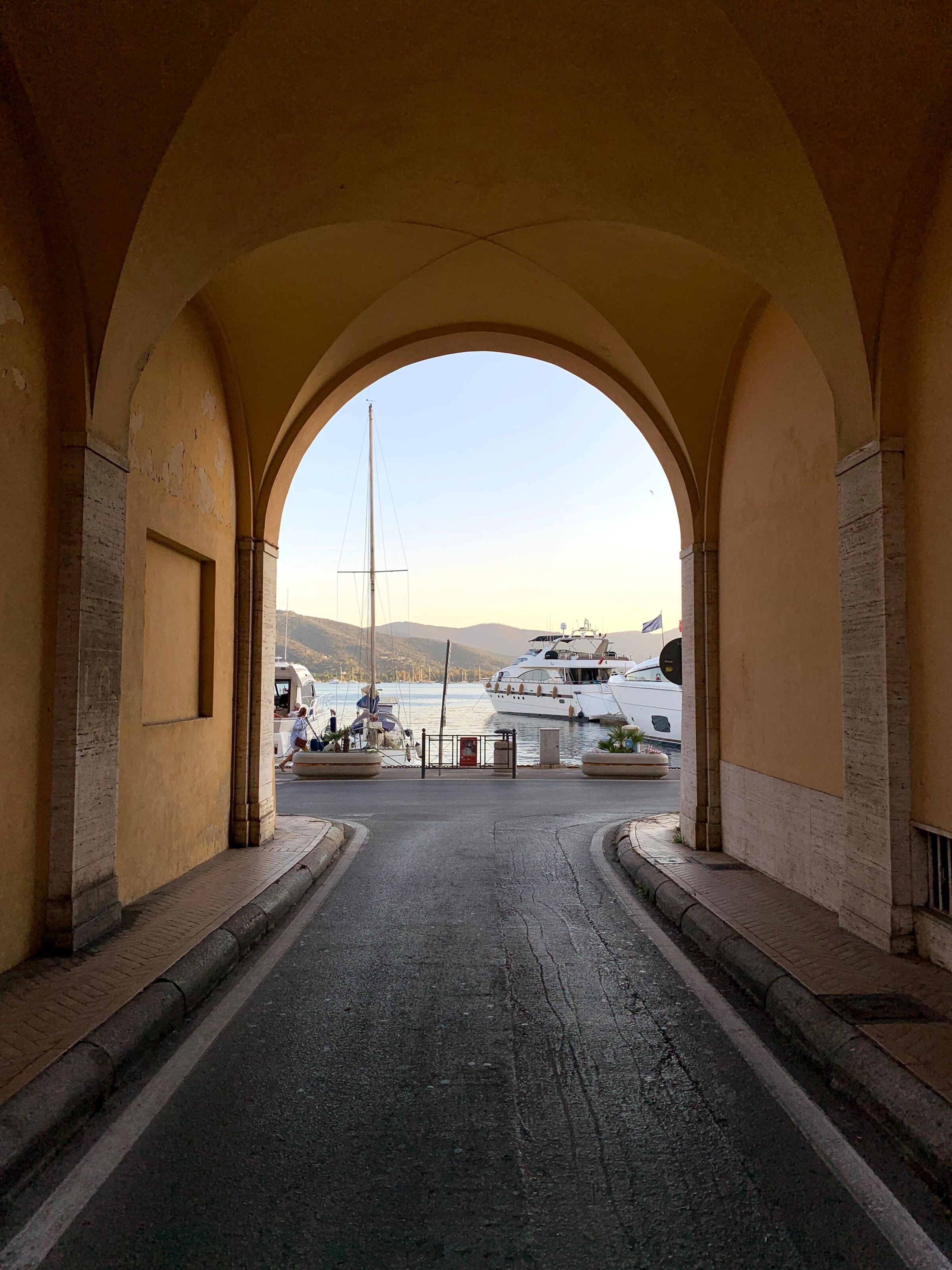
How to do the biggest Tuscan island without a car — hydrofoil, coastal buses and rented e-bikes.
How to do the biggest Tuscan island without a car — hydrofoil, coastal buses and rented e-bikes.
Why no-car Elba works
Elba is small (224 km²) and the parts most travellers visit are tightly clustered around three towns — Portoferraio (the capital, port), Marina di Campo (south coast, sand beaches), Porto Azzurro (east coast, fishing port). Public buses connect all three. The roads between them are flat-to-rolling on the south and east sides; only the mountainous west (Monte Capanne) demands real climbing.
Bringing a car onto Elba costs €60–€140 each way on the ferry, requires advance booking in July and August, and stresses the island's small road network. Skipping it cuts your costs and gives you a slower, more local trip.
This guide assumes you're staying 4–7 nights. If you have two nights or fewer, take the car — there's not enough time to ride the public transport curve. Five nights up, no-car becomes the better choice.
Getting to Elba
By ferry from Piombino. Three ferry companies — Toremar, Moby and Blu Navy — run hourly services from Piombino Marittima to Portoferraio between roughly 7am and 9pm. Crossing is 70 minutes. Foot-passenger fares are €10–€18 one-way; book online at the ferry company website (avoid resellers).
By hydrofoil (summer only). Toremar's hydrofoil runs Piombino → Portoferraio in 35 minutes between mid-June and mid-September. Slightly more expensive (€18–€25), faster, smaller. Worth it for the speed and the seat-on-deck experience.
Getting to Piombino. Piombino Marittima train station is a 5-minute walk from the ferry terminal. From Florence Santa Maria Novella, take a regional train to Campiglia Marittima (2h 30) and change for the local shuttle to Piombino Marittima (15 minutes). From Pisa Centrale, it's 1h 45 with the same change.
Avoid driving onto the ferry unless you really need to. Car fares run €60–€140 each way; reservations are obligatory in July and August; the queues at Piombino in peak season can hold for two hours.
Where to base
Pick one of three:
Portoferraio. The capital and main ferry port. Best for sightseeing — Napoleon's residences, the old town fortifications, the largest concentration of restaurants. Walkable end-to-end. Best for a first stay and for 3–4 night trips. €100–€180 for a small hotel room, €60–€90 for a B&B.
Marina di Campo. South coast, 40 minutes by bus from Portoferraio. The biggest sandy beach on the island and the natural choice if you want easy beach access without driving every day. Family-friendly. €130–€220 in season; €70–€100 off-season.
Porto Azzurro. East coast, 45 minutes by bus from Portoferraio. Quieter, more fishing-village atmosphere, walking distance to Barbarossa beach. Best for couples or anyone wanting a slower 5+ night trip. Similar pricing to Marina di Campo.
We don't recommend splitting your stay across two of these for a week. Pack and unpack once; use buses + bikes to see the others on day trips.
Bike rentals and the routes that matter
Three rental shops in Portoferraio do hourly, daily and weekly e-bike rates: TWO Wheels Elba, Elba Bike Rental, and a small shop on Calata Italia. Daily rate €25–€35, weekly €120–€180. Most will deliver to your hotel if you're staying 3+ nights. Helmets included; lock and basic repair kit always included.
Route 1 — Portoferraio coast loop (25km, half day). West along the Lungomare to Le Ghiaie beach, then over the hills to Bagnaia and Magazzini, returning via the inland road. One serious climb; e-bike handles it.
Route 2 — East side loop (45km, full day). Portoferraio → Rio nell'Elba (hilltop village) → Porto Azzurro (lunch) → Cavo (iron-ore beach) → back via the coast road. Full day, with stops; the east coast roads are quiet outside July.
Route 3 — South coast (30km, half day). Bus to Marina di Campo with bike on board (allowed off-peak), then ride east along the south coast to Lacona, Capoliveri, and back to Portoferraio over the hill. Sandy beaches every 4km.
Skip the west. Monte Capanne (Elba's high mountain) involves real elevation and narrow switchbacks. If you want to summit, take the cabinovia (open-basket cable car) from Marciana — €18, 18 minutes.
Beaches by type
Sandy and family-friendly. Marina di Campo (long, easy parking, beach clubs and free sections), Cavoli (south coast, smaller, golden sand, more restaurants).
Coves with character. Sansone (white pebbles, turquoise water, 15 minutes walk from Portoferraio), Spiaggia di Padulella (limestone walls, very photogenic, accessible by foot or by sea taxi from Marciana Marina).
Iron-ore drama. Topinetti and Terranera (north of Porto Azzurro). Red-black mineral beach; once-active iron-mining beaches now reclaimed by sea. Striking, atmospheric, less crowded.
Quiet pebble. Sant'Andrea (north-west), Fetovaia (south-west). Both small, both clear water, both photogenic. Sant'Andrea has cheaper rooms if you want to stay off-grid.
What to do beyond the beach
Napoleon's residences. The Villa dei Mulini (Portoferraio, walking distance from the ferry) and the Villa di San Martino (3km south, accessible by bus 1) are the two homes Napoleon occupied during his 10-month exile in 1814–1815. Combined ticket €5. The Villa dei Mulini has the more interesting interior; San Martino has the better gardens.
Volterraio Castle. 12th-century fortress on a 400m crag in the centre of the island. A 1-hour hike up from the main road or a short shuttle from Magazzini. Best at sunset.
Marciana Marina. The prettiest village on the island — pastel-painted port, narrow lanes climbing into the hills behind. Bus from Portoferraio (40 minutes). Combine with the cabinovia to Monte Capanne.
Elba's wines. The DOC includes Ansonica (a clean white) and Aleatico (a sweet red dessert wine, particularly notable) — see the wider food and wine pillar for how Elba's island wines sit within the Tuscan DOC/DOCG landscape. Several producers in Capoliveri, Rio nell'Elba and Marciana welcome visits with advance email booking.
When to come
Mid-May through June. The island is at its best — warm sea, full bus schedule, restaurants open, no crowds. Daytime 22–27°C, evenings cool. Our recommended window.
July and August. Crowded, hot (sometimes 35°C+), ferries packed. Italian schools break in mid-June. Avoid the first half of August if possible — second half is when Italians take ferie and the island gets crowded with them too.
September. The water is at its warmest of the year (24–26°C through mid-September), the crowds drop after the 15th, the light goes golden. Excellent.
October. Beautiful weather (sometimes 23°C and clear) but fewer ferries — Toremar reduces to a 9am, midday and 5pm schedule. Many restaurants close from mid-October.
Winter. The island closes. About half of restaurants and most hotels shut from November through Easter. Ferries reduce to 4 per day. Beautiful for a long weekend but expect a quiet island.
Practicalities
Bus tickets. Buy at any tabaccaio (tobacconist) or onboard with an obligatory €1 surcharge. Day passes €10, three-day €20, weekly €30. Buses run every 20–40 minutes on the main routes (1, 116) in season, hourly elsewhere.
Money. Cards accepted in most places but smaller restaurants and beach kiosks often prefer cash. ATMs in Portoferraio, Marina di Campo and Porto Azzurro.
Food and drink. Order schiaccia briaca (drunken focaccia, a sweet Elba bread soaked in Aleatico), gurguglione (vegetable stew), and stoccafisso (salt cod stew). Drink Ansonica with seafood, Aleatico with dessert. Avoid restaurants directly on the Portoferraio waterfront — same template as anywhere with a ferry terminal.
Read next. Our Livorno region pillar covers the mainland coast that ferries depart from. For the Maremma coast south of Livorno, see the Grosseto pillar and the Saturnia thermal-springs guide. The practical-basics guide covers wider Italy trip logistics.
Frequently asked.
- How do I get to Elba without a car?
- Take a Toremar, Moby or Blu Navy ferry from Piombino Marittima (70 minutes, €10–€18 foot passenger) or the seasonal hydrofoil (35 minutes, €18–€25). Tuscan regional trains reach Piombino Marittima; the station is a 5-minute walk from the ferry terminal.
- Is one day enough for Elba?
- No. Minimum two nights to do the island justice. Most of the worthwhile coves and the Napoleon villas are on the east side, an hour from the ferry port. A day trip leaves you with two hours on the island after travel.
- Where should I base myself on Elba?
- Portoferraio (the capital, port + Napoleon's house, good bus links) for sightseeing; Marina di Campo (south coast, sandy bays) for beaches; or Capoliveri (south-east hilltop) for slow-paced food and quiet beaches. Pick one and stay there — don't split a week-long stay across two.
- Can I cycle around Elba?
- Yes — bike rental shops in Portoferraio deliver to your hotel. The east-coast loop (Rio nell'Elba → Porto Azzurro → Cavo) is two days with stops on an e-bike. The mountainous west takes a road bike or the cabinovia.
Keep reading.
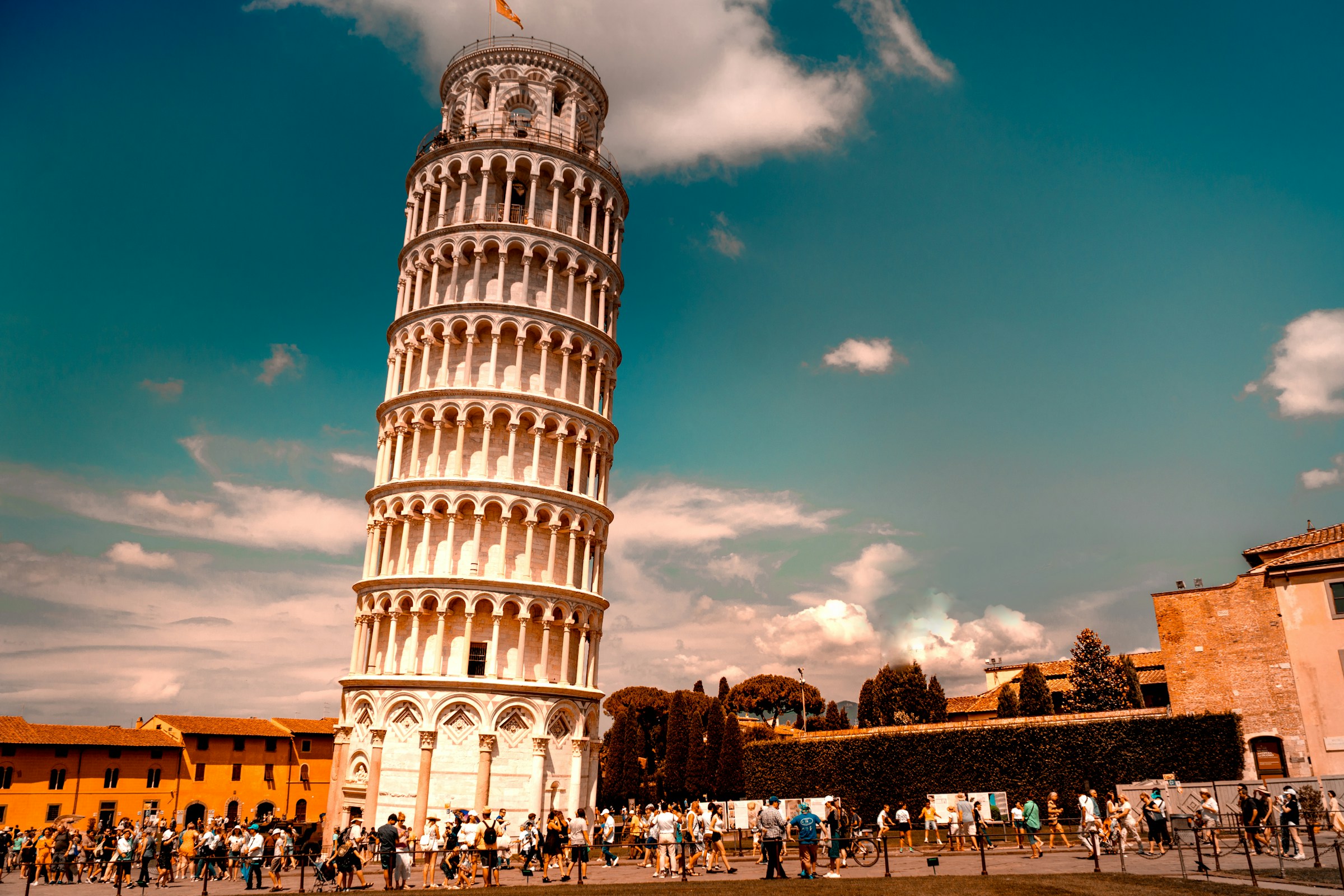
Day trips from Florence by train
Twelve destinations reachable without a car, sorted by travel time and what to do when you get there.
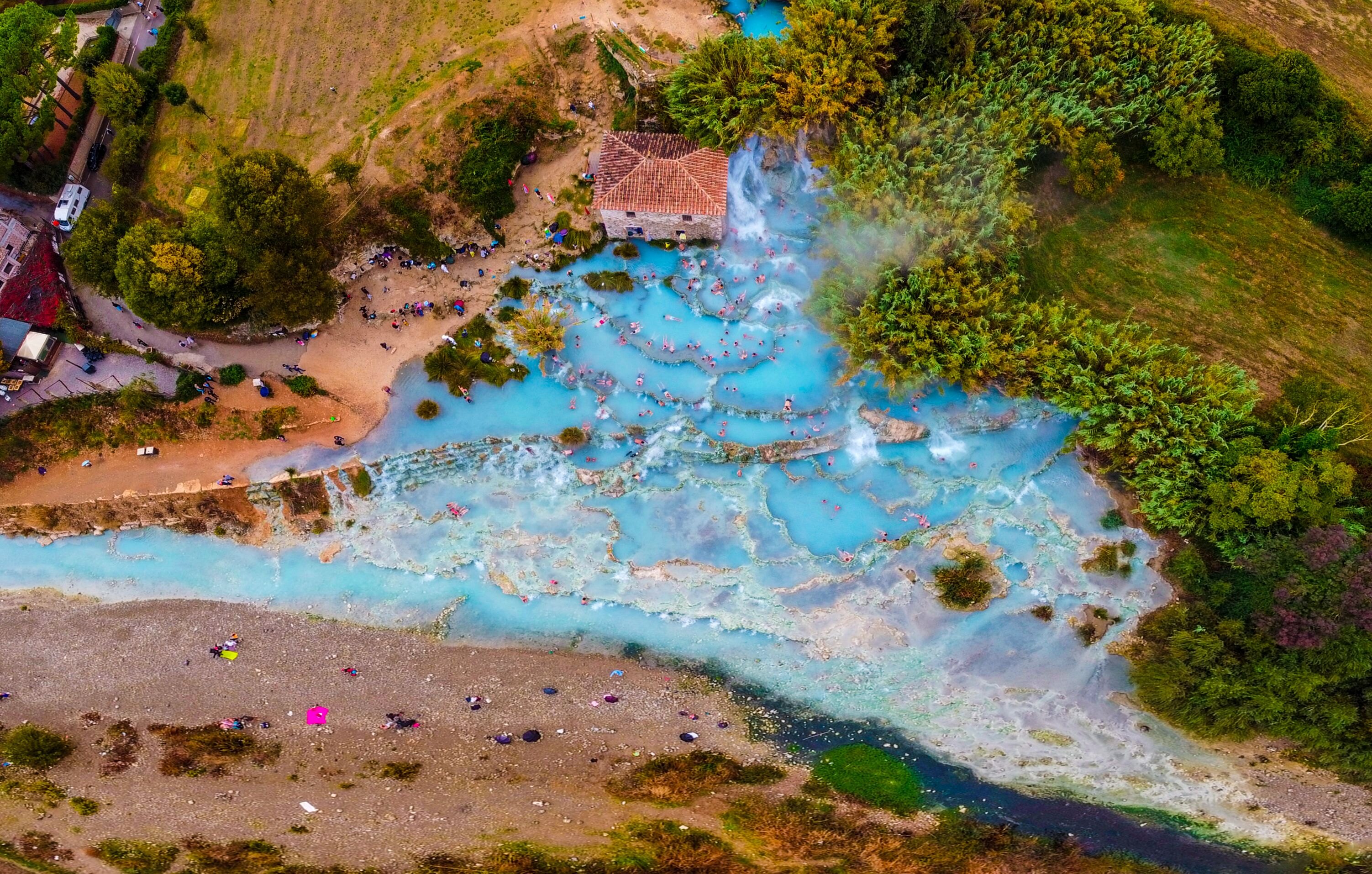
Soaking at Saturnia, free and paid
The cascade everyone posts about, plus three quieter alternatives within 20km — and the rules nobody tells you.
Viareggio beaches — the train-accessible Tuscan riviera
Wide sand, Liberty-era beach clubs, and a station 800m from the sea. The most rail-friendly Tuscan beach town, decoded.