 ← All stories
 Florence vs Siena — which to base in
Two great Tuscan cities, two very different stays. The honest comparison: art, food, crowds, cost, day trips.
Two great Tuscan cities, two very different stays. The honest comparison: art, food, crowds, cost, day trips.
At a glance
Florence (Firenze) — the Renaissance capital. Larger (380,000 inhabitants), busier, denser with world-rank museums, the natural hub for road, rail and air. Expensive in season.
Siena — the Gothic city. Smaller (54,000), atmospheric, walled, almost entirely walkable. Less to see indoors but more to feel outdoors. Cheaper, quieter, with the Palio at its centre.
Both are inside the official ten regions of Tuscany; both have a deep food scene and a UNESCO-listed historic centre.
What each one is
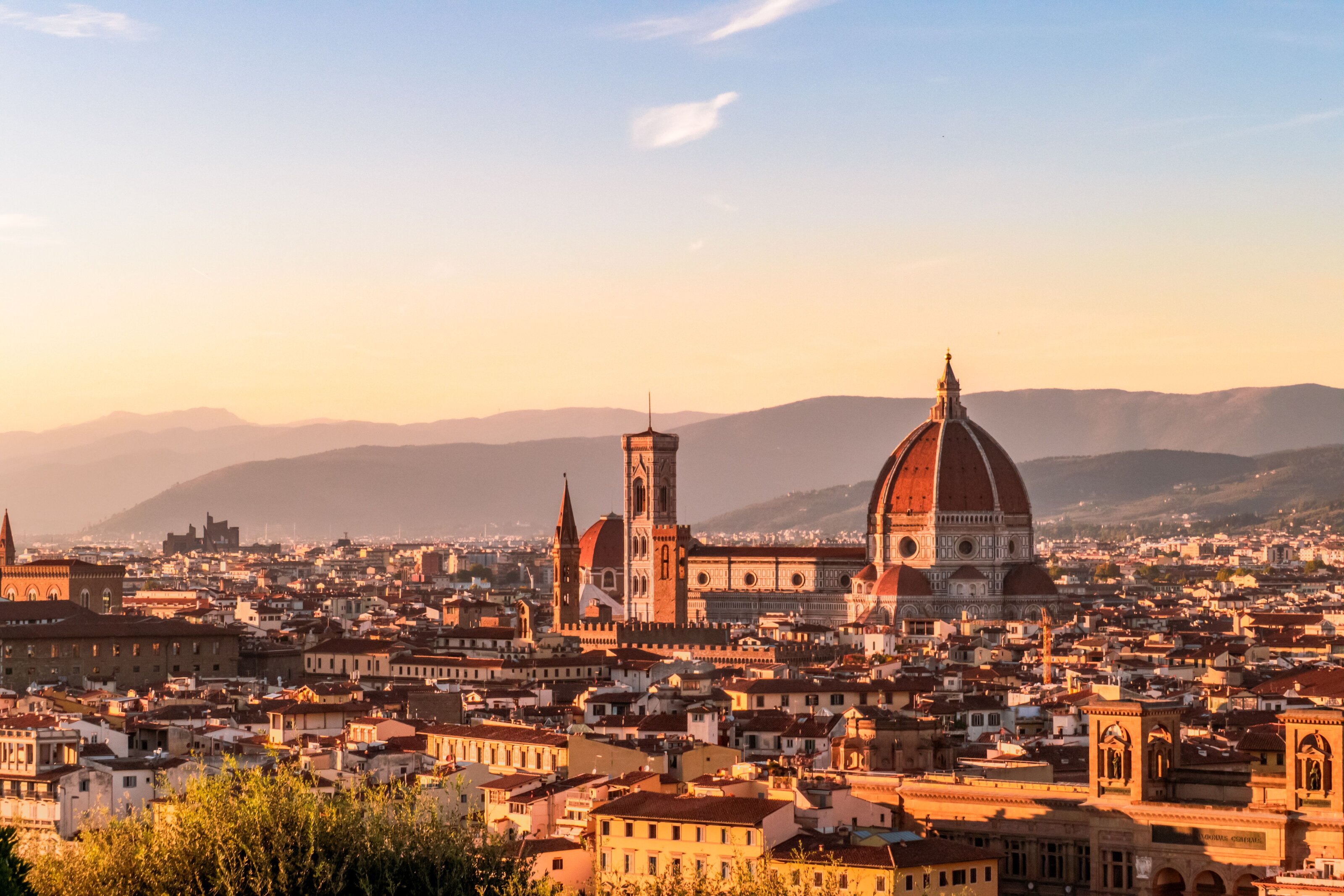
Florence is a working European city of 380,000 people with a Renaissance core stitched into a modern centre. The Uffizi, the Accademia, the Bargello, the Duomo complex, the Palazzo Pitti — five world-class museums within a 20-minute walk. The trade-off is volume: the Uffizi sells 2 million tickets a year, and the streets between the Duomo and Ponte Vecchio are packed by 10am from April to October.
Siena is half-walled, hill-built and proudly mediaeval. Its centre is a Gothic monument carried forward intact since the 13th century — the Palazzo Pubblico, the cathedral with its inlaid marble pavement, the shell-shaped Piazza del Campo where the Palio is run twice a summer. The city has weight without sprawl: you can cover the historic centre in two days.
Where to sleep, and what it costs
Florence. €280–€550 a night for a small-room boutique hotel in the centre in May–October. €180–€280 across the river in Oltrarno, our default recommendation. Budget hotels (€100–€160) cluster near the train station and are functional but not atmospheric.
Siena. €120–€260 a night for a comparable boutique inside the walls. The €60–€90 B&B band still exists in shoulder season. Inside-the-walls atmospherically beats anywhere outside — Siena's outskirts have nothing for visitors.
Rule of thumb: Siena is roughly 35–45% cheaper than Florence at every level. See our where-to-stay guide for the broader breakdown.
What to eat, and where
Both cities cook a recognisably Tuscan menu, but the emphasis differs. Florence is heavier on bistecca — Antica Macelleria Cecchini, Perseus, Trattoria Sostanza all canonical — and on tripe (lampredotto from the street stalls is the classic snack). See our Bistecca alla Fiorentina guide for the rules and best addresses.
Siena leans into pici (thick hand-rolled pasta), wild boar (cinghiale), and pecorino. Osteria Le Logge for the splurge, Trattoria La Taverna del Capitano for the daily version. Both pair best with Chianti Classico (north of Siena) or, if eating south, a Brunello from the Val d'Orcia.
For the wider DOCG context, see the food and wine pillar.
What to see (and what's better in each)
Florence wins on indoor culture. The Uffizi (paintings), the Accademia (Michelangelo's David), the Bargello (sculpture), the Brunelleschi dome climb, the Cappelle Medicee, the Palazzo Pitti. You can spend a week here and not finish.
Siena wins on atmosphere. The Piazza del Campo at dusk, the cathedral's marble floor (uncovered only seven weeks a year), the contrada museums (each of Siena's 17 neighbourhoods runs its own museum), the Palio in July and August. Siena's indoor culture isn't smaller — the Pinacoteca and the Museo dell'Opera are world-class — but you came here for the city itself.
Day-trip range, by base
From Florence: Pisa (55 min by train), Lucca (80 min), San Gimignano (1h 20m via bus), Arezzo (35 min by Frecciarossa), and Bologna for dinner (35 min). The full transit playbook is in our day-trips-from-Florence-by-train guide.
From Siena: Pienza and the Val d'Orcia (45 min by car), San Gimignano (50 min by bus), the southern half of Chianti (30 min), Sant'Antimo Abbey, Montepulciano, Montalcino. Florence itself is 90 minutes by direct bus.
Florence reaches more places by train; Siena reaches more places by car. If you want to see Chianti and the Val d'Orcia, Siena is the better base.
When to choose which
Choose Florence if: Renaissance art is the main reason for the trip, you want maximum day-trip reach by train, you don't mind crowds and higher prices, or you're flying in/out of Florence airport with limited time.
Choose Siena if: the slower atmosphere matters more than gallery hours, you want to see the Val d'Orcia and Chianti as day trips, you're travelling on a tighter budget, or you've been to Florence already.
Or do both: 4 nights Florence + 3 nights Siena (or Chianti agriturismo near Siena) is the textbook week. Bus or train between the two — both run hourly.
Frequently asked.
- Is Florence or Siena better for a first visit to Tuscany?
- For most first-time visitors, Florence wins on practical grounds — the larger museum density, the better airport and rail connections, the wider restaurant scene. Siena is the better choice if you've been to Florence before, or if your priority is the slower-paced Tuscan experience and Val d'Orcia / Chianti day trips.
- Can I see both Florence and Siena in one week?
- Yes. The most common pattern is 4 nights Florence + 3 nights Siena (or a Chianti agriturismo near Siena). The two cities are 90 minutes apart by direct bus or 1h 30m by train via Empoli.
- Is Siena cheaper than Florence?
- Yes — typically 35–45% cheaper at every level (hotels, restaurants, museum tickets are similar but the overall trip cost is lower because room rates dominate). Siena also has a wider band of mid-priced inside-the-walls hotels in the €120–€200 range than Florence does.
- Which is better for day trips, Florence or Siena?
- Florence reaches more places by train (Pisa, Lucca, Arezzo, Bologna, Rome). Siena reaches more places by car (Val d'Orcia, Chianti, San Gimignano, Montepulciano, Montalcino). Florence is the rail hub; Siena is the road hub for the rural south.
- When is the Palio in Siena?
- Twice a year: 2 July (Palio di Provenzano) and 16 August (Palio dell'Assunta). The race itself takes 90 seconds; the day-long ceremony and the three previous days of trial races are the actual event. Booking accommodation a year ahead is normal.
Keep reading.
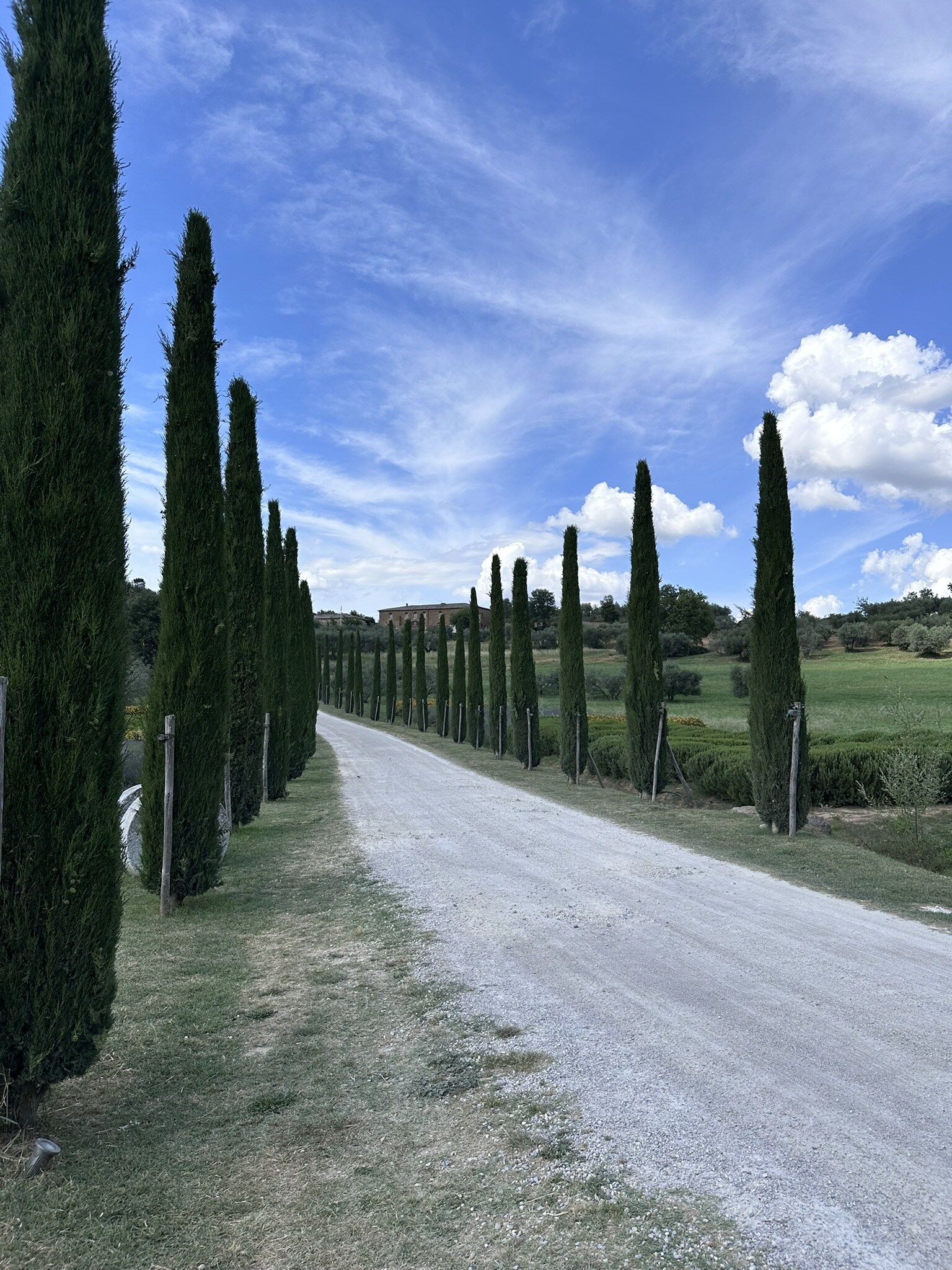
When to come: a month-by-month field guide
Weather, crowds, festivals and what's on the plate, broken down.
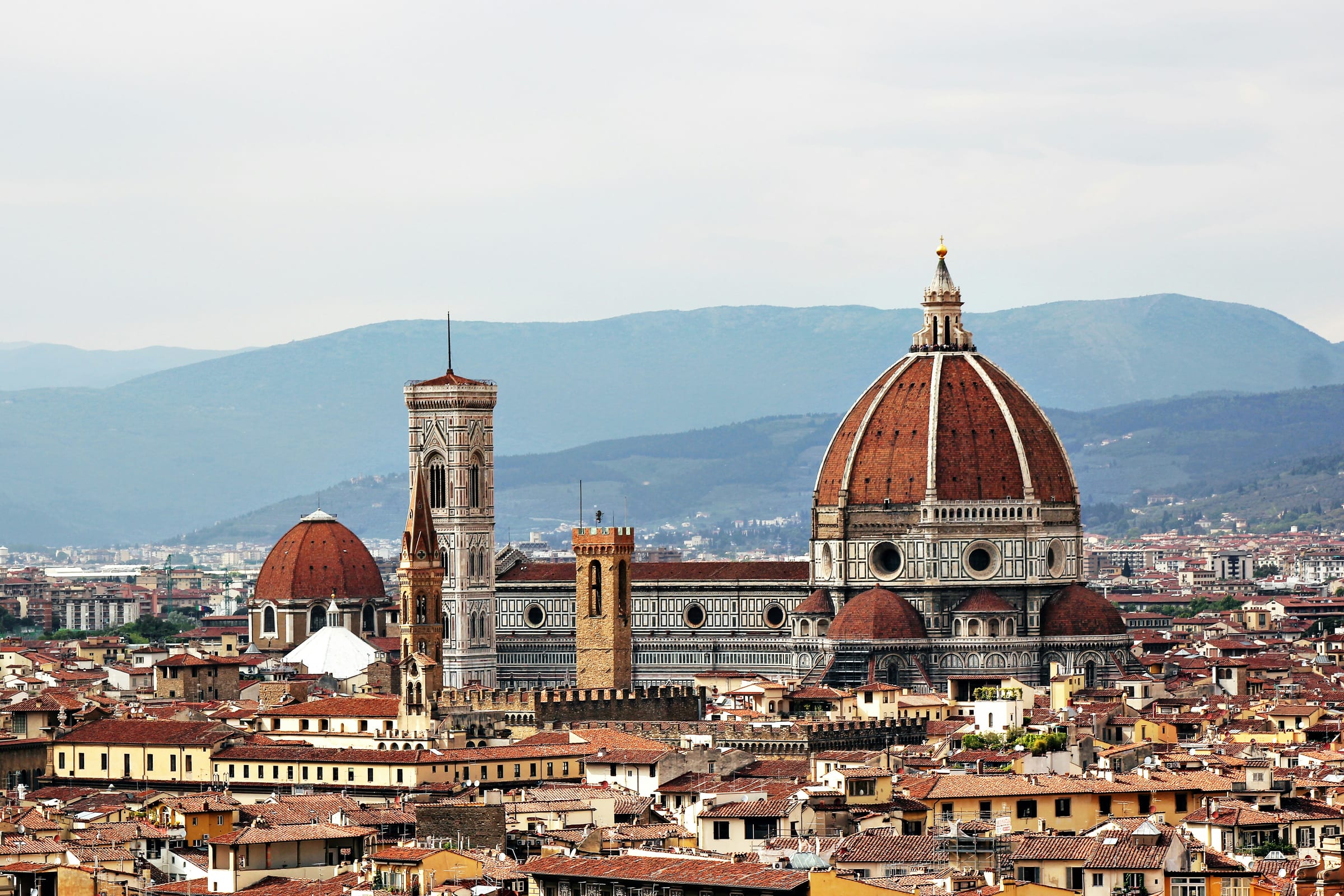
Where to stay in Tuscany — a planning guide
City base versus countryside agriturismo, which towns suit which traveller, and the three mistakes first-timers make.
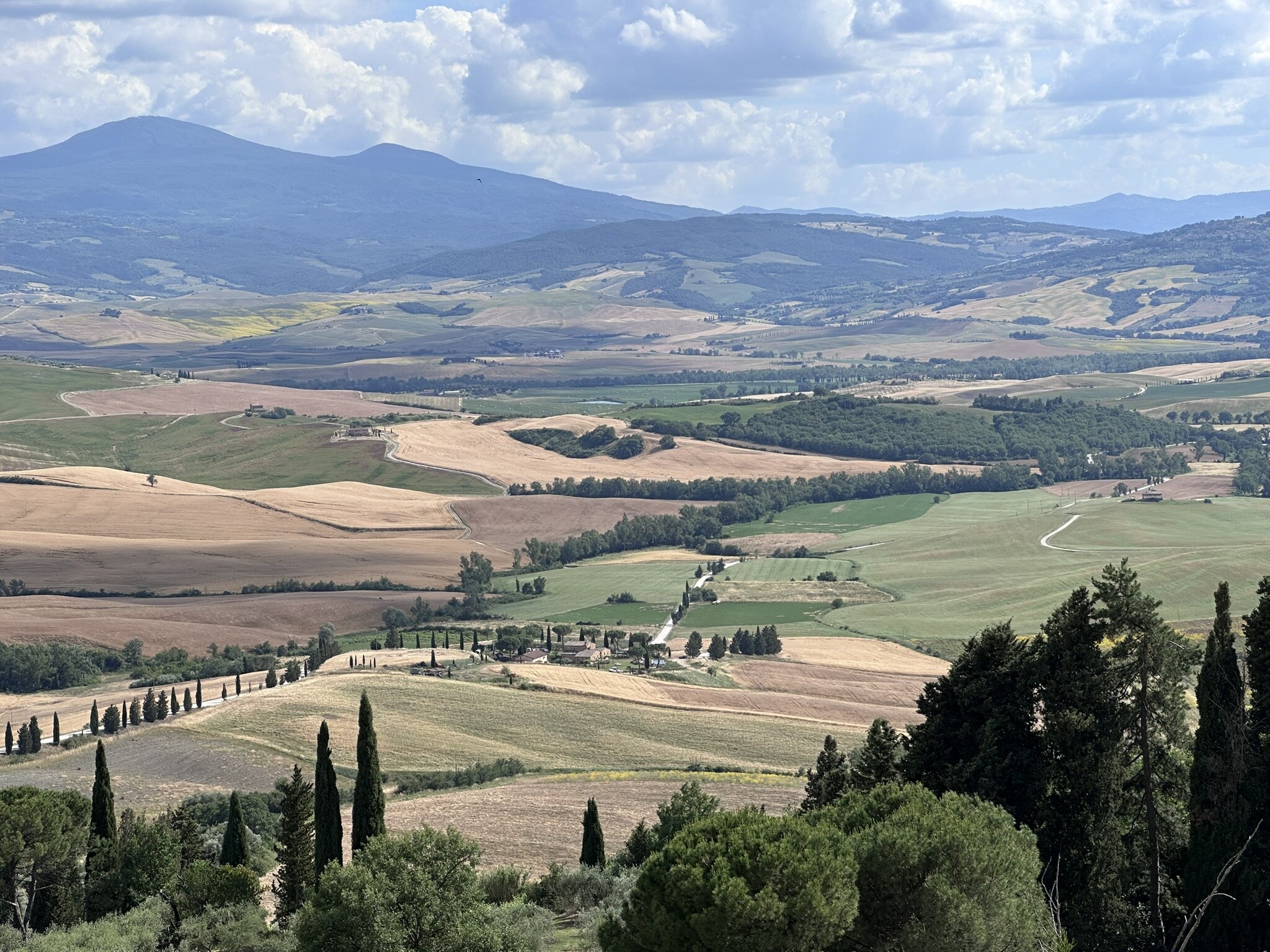
Chianti vs Val d'Orcia — which to base in
Both inside Siena province, both world-famous, very different trips. Wine, landscape, crowds, drive times, and which one suits you.