 ← Siena
Chianti
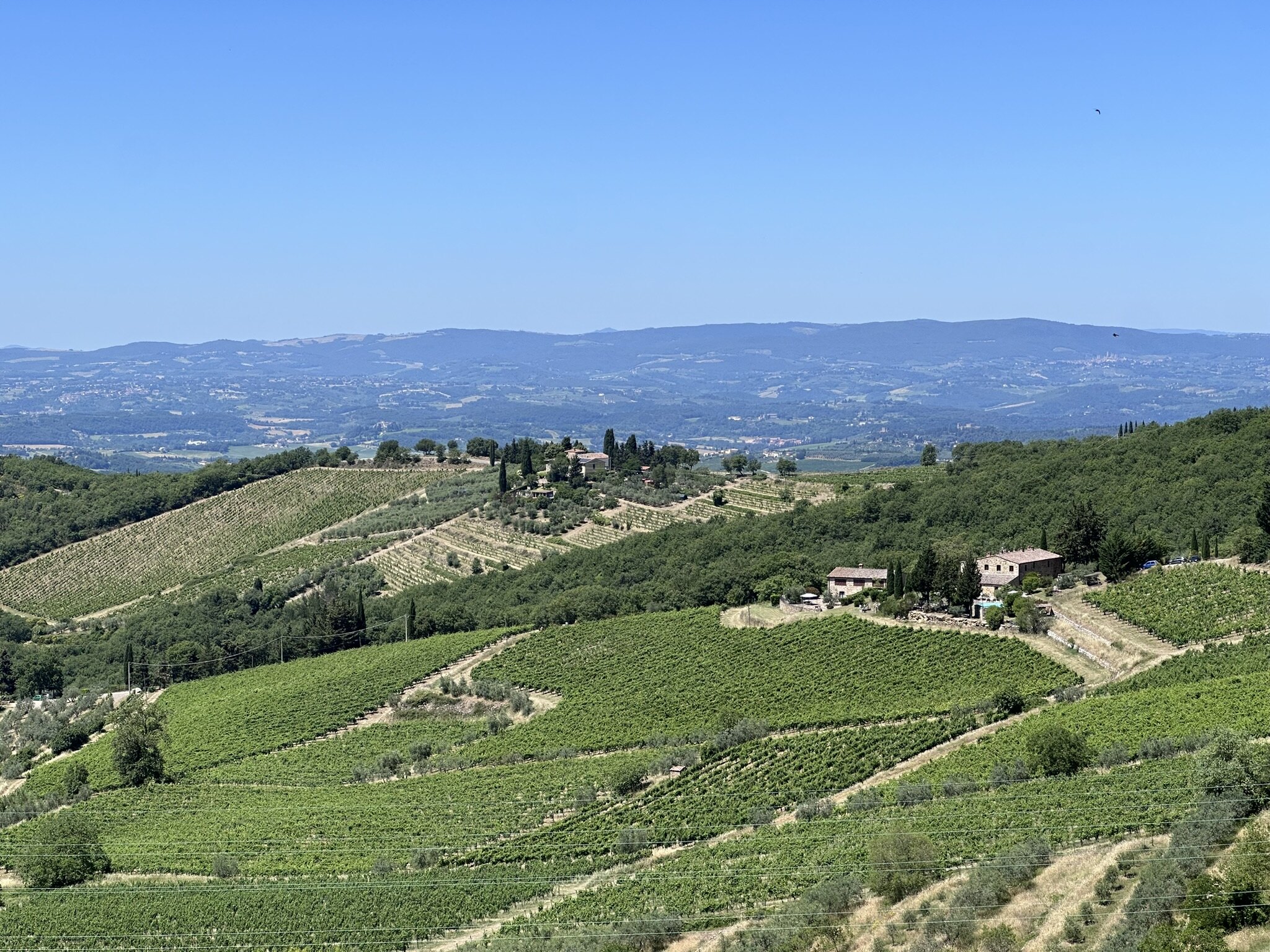
Chianti is the hill country between Florence and Siena — about 70,000 hectares of vineyards, oak woods and stone villages where Chianti Classico wine is made. Base in Greve, Panzano, Radda or Castellina; give it three days and a car.
By Elena Ricci · Last checked 29 October 2026
What to see.
Greve's triangular piazza
Highlight · Chianti
Panzano and the Conca d'Oro
Highlight · Chianti
Radda and Volpaia
Highlight · Chianti
Castello di Brolio
Highlight · Chianti
About Chianti
What Chianti is (and isn't)
Chianti is a historic territory, not a province. It straddles the provinces of Florence and Siena, and its heartland is the Chianti Classico wine zone: all of Greve, Castellina, Radda and Gaiole in Chianti, plus parts of Castelnuovo Berardenga, Barberino Tavarnelle, San Casciano Val di Pesa and Poggibonsi — the communes that have made wine under the black-rooster (Gallo Nero) seal since the 1920s.
The confusion starts with the label. Chianti DOCG is a much larger zone that wraps around Florence, Pisa, Arezzo and Siena and includes sub-areas such as Rufina and Colli Senesi. Chianti Classico DOCG is the original core, with its own rules and consortium. When people talk about visiting 'Chianti', they almost always mean the Classico hills — the stretch the SR222 Via Chiantigiana runs through.
The landscape is greener and more wooded than the postcard Tuscany of cypress-lined wheat fields — that's the Val d'Orcia, an hour further south. Here roughly two-thirds of the land is still forest; vineyards and olive groves sit in the clearings. It's the reason the drives feel enclosed and intimate rather than panoramic.
The villages, north to south
Greve in Chianti. The market town and the easiest first stop from Florence. The arcaded, funnel-shaped Piazza Matteotti hosts a Saturday market; the historic butcher Antica Macelleria Falorni is on the square. Walk 20 minutes uphill to Montefioralle, a single oval lane of stone houses with almost nothing to buy, which is the point.
Panzano in Chianti. Ten minutes south of Greve, on a ridge above the amphitheatre of vineyards locals call the Conca d'Oro, the golden shell. Dario Cecchini's butcher shop is here, and so is one of the densest clusters of organic estates in Italy. See our bistecca guide before you book a table.
Castellina in Chianti. On the ridge road towards Siena, with a covered medieval walkway (Via delle Volte) running under the houses and an Etruscan tomb mound, the Ipogeo di Montecalvario, on the edge of town.
Radda in Chianti. The most complete small village of the Classico zone, high and cool, with a palazzo hung with the stone crests of former podestà. Take the short road up to Volpaia, a fortified hamlet whose winery operates inside a deconsecrated church.
Gaiole in Chianti. A working village in a valley, mostly a base for the castles around it — Castello di Brolio, Meleto and the abbey of Badia a Coltibuono. In early October Gaiole hosts L'Eroica, the vintage-bicycle ride on white gravel roads.
Castelnuovo Berardenga. The southern gateway, where Chianti softens into the clay hills of the Crete Senesi. Quieter, cheaper, and only 20 minutes from Siena.
Visiting wineries
Almost every estate offers tastings, but the walk-in cellar door is rarer than visitors expect. Book ahead — a day or two is usually enough outside September — and expect to pay for the tasting, typically refunded if you buy bottles.
Plan two visits a day, three at most. A tasting with a tour runs 90 minutes, the roads are slow, and somebody has to drive. If nobody wants to, hire a driver for a day; it costs less than most people think when split between four.
Three shapes of visit worth mixing: a historic castle estate (Brolio, where Baron Bettino Ricasoli set down the Chianti blend in 1872), a small family producer where the person pouring also prunes the vines, and an abbey or cooperative such as Badia a Coltibuono, which also runs a restaurant and cooking classes.
What to taste: Chianti Classico annata (the straight vintage), Riserva (longer ageing), and Gran Selezione (estate-grown, the top tier). All are Sangiovese-led. Ask for the Vin Santo at the end; most estates make a little.
The drives worth doing
SR222, the Via Chiantigiana. Florence to Siena through Greve, Panzano and Castellina. About 70 km and two hours without stops; a full day with them. The most scenic stretch is Panzano to Castellina.
The Radda–Gaiole loop. Radda to Volpaia, back via Radda to Gaiole, out to Brolio, then north via Badia a Coltibuono. Narrow, slow, beautiful, and the right drive for a golden October afternoon.
The white roads. Many estate tracks are strade bianche, unsealed gravel. Hire cars cope fine at walking pace; check your rental agreement, since some exclude unpaved roads.
Our seven-day Chianti itinerary strings these together into an unhurried week.
Where to base
An agriturismo or wine estate. The classic Chianti stay: a farmhouse apartment or room on a working estate, usually with a pool and dinner some nights. You'll drive to everything; that's the trade-off for the quiet.
Greve or Panzano. The best choice if you want to walk to dinner. Greve has the most restaurants and shops; Panzano is smaller, with better views.
Radda or Castellina. Central for the southern Classico villages and 30 minutes from Siena. Good for splitting days between wine and city.
Florence or Siena. Fine for a single day trip, but Chianti rewards nights. If you only have a day, base in Siena — the southern villages are closer than from Florence.
For a broader comparison of bases across Tuscany, see where to stay in Tuscany.
What to skip
Coach-tour 'Chianti and San Gimignano in a day' packages from Florence. Two or three rushed tastings at large commercial estates and an hour in a crowded San Gimignano. If you're short on time, a private driver for half a day gets you twice the substance.
Driving after a full tasting day. Italian limits are strict (0.5 g/l, zero for drivers with under three years' licence) and the carabinieri do stop cars on the SR222 in season.
August, if you can. Hot, many family restaurants close for their own holidays around Ferragosto (15 August), and the wineries are busy getting ready for harvest.
Best time to visit
Late September to October. Harvest (vendemmia) usually runs from mid-September into early October, the woods turn, and the wine festivals are on — Greve's Expo del Chianti Classico takes place in September. Our first choice.
May and early June. Long days, green vineyards, wild flowers along the white roads, pool weather without the August heat.
November. New olive oil, open fires, quiet roads. Some agriturismi close from November to March, so check before you book.
Month-by-month detail is in our when to visit Tuscany guide.
Getting there and around
A car is the only practical way to see Chianti properly. Pick it up at Florence airport or on the edge of Florence to avoid the city's ZTL traffic zones.
Without a car, SITA/Autolinee Toscane buses run from Florence to Greve and Panzano several times a day, and from Siena to Castellina and Radda less often. Workable for one village; frustrating for more.
Cycling is popular and hilly. E-bike rentals in Greve and Radda have made it realistic for most fitness levels.
Frequently asked.
- Where is Chianti in Tuscany?
- Chianti is the hill country between Florence and Siena, split across the two provinces. The Chianti Classico heartland runs roughly from San Casciano and Greve in the north to Castelnuovo Berardenga in the south.
- What is the best town to stay in Chianti?
- Greve in Chianti for the most restaurants and easy access from Florence; Panzano for views and food; Radda for the most atmospheric village and quick access to Siena. Many visitors prefer an agriturismo between them.
- How many days do you need in Chianti?
- Two nights is the minimum to visit a few villages and two or three wineries without rushing. Three to four nights lets you add Siena or San Gimignano as day trips.
- What is the difference between Chianti and Chianti Classico?
- Chianti Classico DOCG comes only from the original historic zone between Florence and Siena and carries the black-rooster seal. Chianti DOCG covers a much larger area across several provinces, with different production rules.
- Can you visit Chianti without a car?
- Partly. Buses link Florence with Greve and Panzano, and Siena with Castellina and Radda, but services are infrequent. For more than one village a day, a car, private driver or e-bike is far more practical.
Read our practical basics before you book — when to come, where to base, how to get around.
Other areas to combine.
Stories for Chianti.
Seven slow days across Chianti
A practical itinerary between Florence and Siena — with three cellars worth the detour.
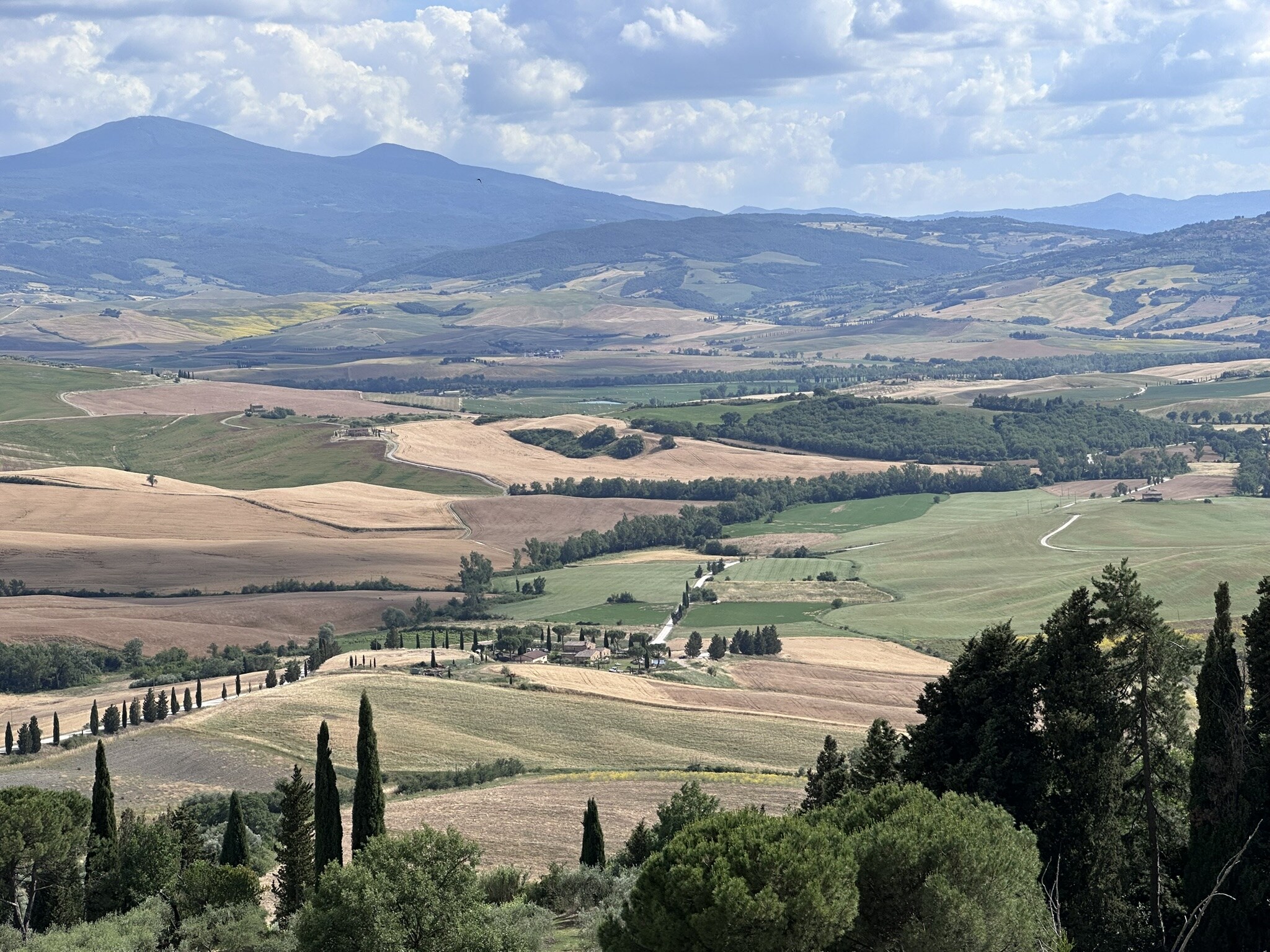
Chianti vs Val d'Orcia — which to base in
Both inside Siena province, both world-famous, very different trips. Wine, landscape, crowds, drive times, and which one suits you.
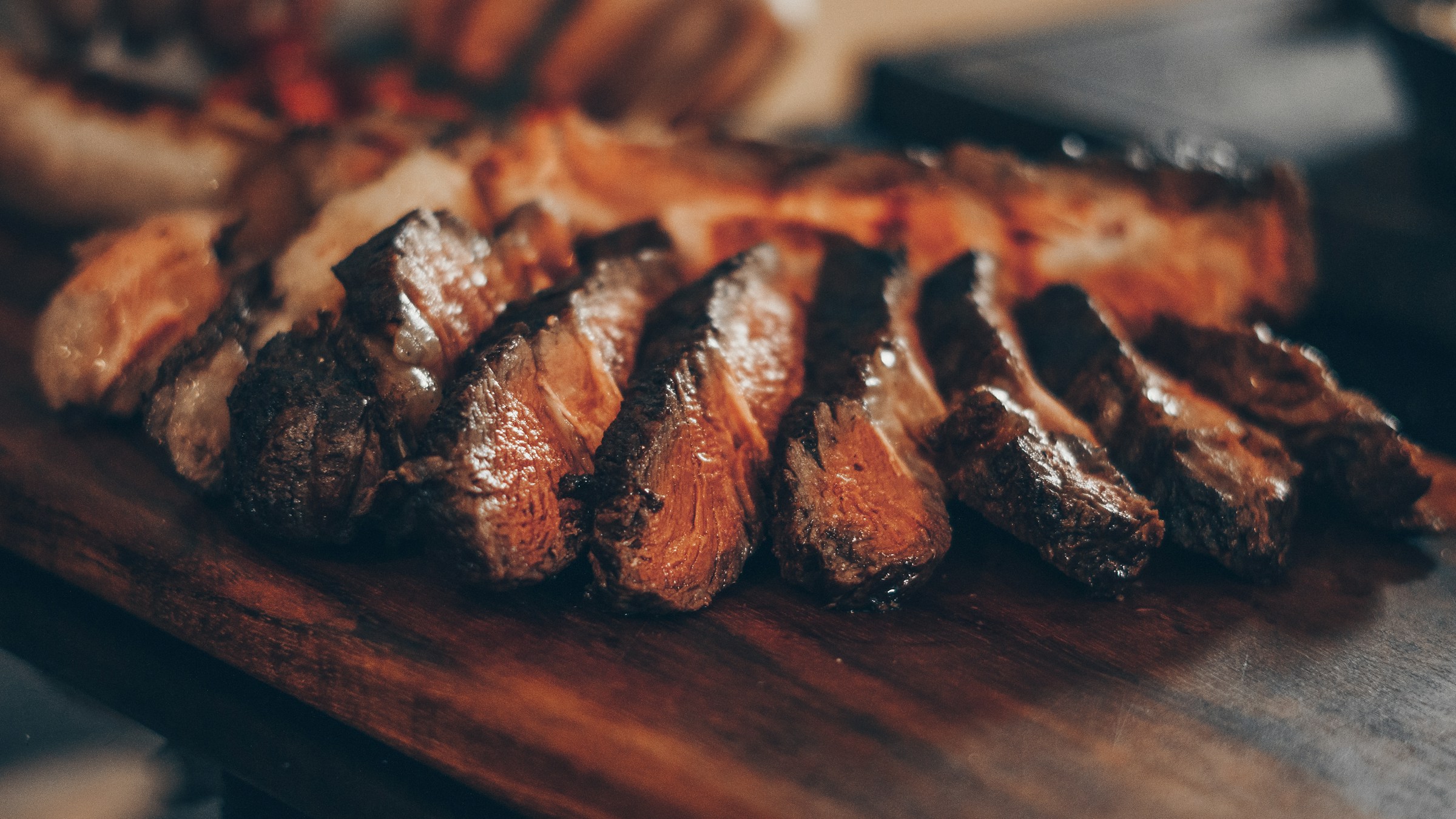
Bistecca alla Fiorentina, demystified
Chianina beef, a very hot grill, and salt. There is no secret — but there are rules.
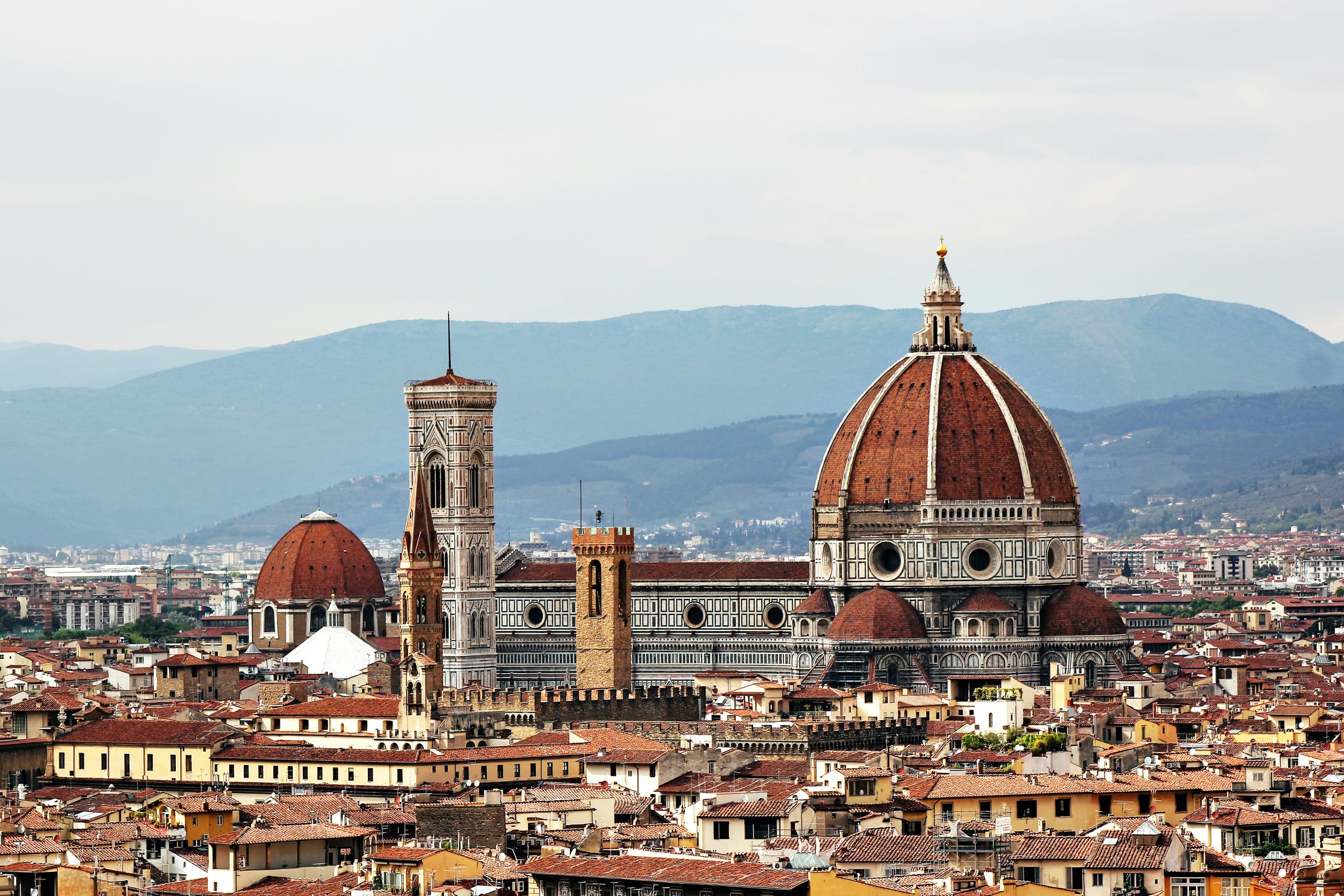
Where to stay in Tuscany — a planning guide
City base versus countryside agriturismo, which towns suit which traveller, and the three mistakes first-timers make.