Garfagnana
The Garfagnana is the upper Serchio valley north of Lucca, squeezed between the marble Apuan Alps and the Apennines. It's green, steep and little-visited: stone villages such as Barga and Castelnuovo, chestnut woods, caves, and some of the best hiking in Tuscany. Allow two or three nights and bring walking boots.
By Lorenzo De Simoni · Last checked 29 October 2026
What to see.
Ponte della Maddalena (Devil's Bridge)
Highlight · Garfagnana
Barga old town
Highlight · Garfagnana
Grotta del Vento
Highlight · Garfagnana
Isola Santa and Lago di Vagli
Highlight · Garfagnana
About Garfagnana
What the Garfagnana is
The Garfagnana is the upper valley of the river Serchio, in the north of Lucca province. On its west rise the Apuan Alps, sharp limestone and marble peaks only 20 km from the sea; on its east, the rounder ridges of the Tuscan–Emilian Apennines, where the highest summits top 2,000 metres. Between them are about thirty villages, terraced chestnut woods and narrow roads.
It has long been a world apart. For centuries much of the valley belonged not to Lucca or Florence but to the Este dukes of Ferrara and Modena — the poet Ariosto was sent here as governor in the 1520s and hated it. Emigration emptied many villages in the 20th century, especially to Scotland, which is why you may hear a Glaswegian accent in a Barga bar.
The southern stretch around Bagni di Lucca and Borgo a Mozzano is usually called the Media Valle del Serchio; most visitors treat it as the gateway to the Garfagnana proper.
The villages
Barga. The finest town in the valley: a steep old centre of stone lanes leading up to a Romanesque cathedral with a carved pulpit and a panoramic terrace facing the Apuan Alps. Holds a jazz festival and an opera festival in summer.
Castelnuovo di Garfagnana. The valley's capital and market town, with the Rocca Ariostesca fortress and a visitor centre for the Apuan Alps park.
Castiglione di Garfagnana. A walled village with intact towers and a castle on the Apennine side.
Coreglia Antelminelli. A hill village known for its tradition of plaster figurine-makers, with a small museum.
Bagni di Lucca. A 19th-century spa town that drew Byron, Shelley and the Brownings, now faded and charming, with thermal baths still working.
What to see
Ponte della Maddalena. The steep medieval hump-backed bridge over the Serchio at Borgo a Mozzano, known as the Devil's Bridge after the legend that the devil built it in exchange for the first soul to cross. Free, by the main road, best early or late.
Grotta del Vento. A show cave near Fornovolasco on the Apuan side, with guided tours of one, two or three hours through galleries, lakes and shafts. Wear a fleece; it's cool inside year-round.
Isola Santa. A half-abandoned stone hamlet above a small reservoir on the road over to the coast. Very photogenic.
Lago di Vagli. A reservoir that drowned the medieval village of Fabbriche di Careggine. Every decade or so it is drained for maintenance and the village reappears, drawing huge crowds. A long suspension footbridge crosses the lake.
Orrido di Botri. A deep limestone gorge in the Apennines that you walk up through the stream bed in summer, with a guide or in season when it's open.
Hiking
This is the reason many people come. The Apuan Alps are steep and rocky, with marked paths run by the Italian Alpine Club (CAI) and staffed mountain huts (rifugi) open in summer. Classic peaks include Pania della Croce and Monte Forato, whose natural rock arch you can walk through and see the sun set behind twice a year.
On the Apennine side, the paths are gentler: beech woods, upland meadows and the long-distance Grande Escursione Appenninica ridge route. The Alpe di San Pellegrino and the Orecchiella park are good starting points.
For a multi-day route through the high Apuan peaks, see our Apuan Alps traverse. Weather changes fast up here; carry layers and check forecasts and hut opening dates before you go.
Food
The Garfagnana has some of Tuscany's most distinctive mountain food. Farro della Garfagnana, an ancient spelt grain with protected (IGP) status, goes into soups and salads. Chestnut flour makes necci (thin pancakes cooked between hot stones, filled with ricotta) and the chestnut cake castagnaccio.
Look for biroldo, a spiced blood sausage; formenton otto file, an old variety of corn milled for polenta; mountain cheeses; trout; and porcini in autumn. Many of the best meals are in simple trattorias and agriturismi.
Where to base
Barga. The best mix of atmosphere, restaurants and access to both sides of the valley.
Castelnuovo di Garfagnana. Practical and central, with shops, the park visitor centre and the train station.
A mountain agriturismo. For hikers, and anyone who wants silence and home cooking.
Lucca. Possible for day trips, but the valley rewards nights — the drive up is slow.
What to skip
Driving the mountain passes in winter without checking. Snow chains or winter tyres are compulsory on many roads from mid-November to mid-April.
High Apuan routes in poor weather. The rock is slippery and exposed. Pick a valley walk instead.
Coming for one rushed afternoon. The Devil's Bridge alone doesn't justify the trip; stay a night and walk.
Best time to visit
June to September. Hiking season, with mountain huts open and cooler air than the coast.
October. Chestnut and mushroom season, with food festivals in many villages. Our favourite month.
Spring. Green and quiet, with snow lingering on the high peaks into May.
Getting there
By car from Lucca on the SS12 and then the SR445 up the Serchio valley: about 45 minutes to Barga, an hour to Castelnuovo.
A slow, scenic railway runs from Lucca up the valley through Borgo a Mozzano, Bagni di Lucca, Barga–Gallicano and Castelnuovo to Aulla. It's useful for reaching the main towns, but you'll need a car or a bus connection for the villages and trailheads.
Frequently asked.
- Where is the Garfagnana?
- In northern Tuscany, in the province of Lucca, in the upper Serchio valley between the Apuan Alps and the Apennines. Barga is about 45 minutes north of Lucca by car.
- Is the Garfagnana worth visiting?
- Yes, for hikers, food lovers and anyone wanting a quieter, mountain side of Tuscany. It has the Devil's Bridge, the Grotta del Vento caves, the hill town of Barga and excellent walking in the Apuan Alps.
- What is the best town to stay in the Garfagnana?
- Barga for atmosphere and restaurants, Castelnuovo di Garfagnana for a central, practical base with a train station, or a mountain agriturismo if you're there to hike.
- Can you reach the Garfagnana by train?
- Yes. The Lucca–Aulla line runs up the valley, stopping at Borgo a Mozzano, Bagni di Lucca, Barga–Gallicano and Castelnuovo di Garfagnana. Trailheads and smaller villages need a car or bus.
Read our practical basics before you book — when to come, where to base, how to get around.
Other areas to combine.
Stories for Garfagnana.
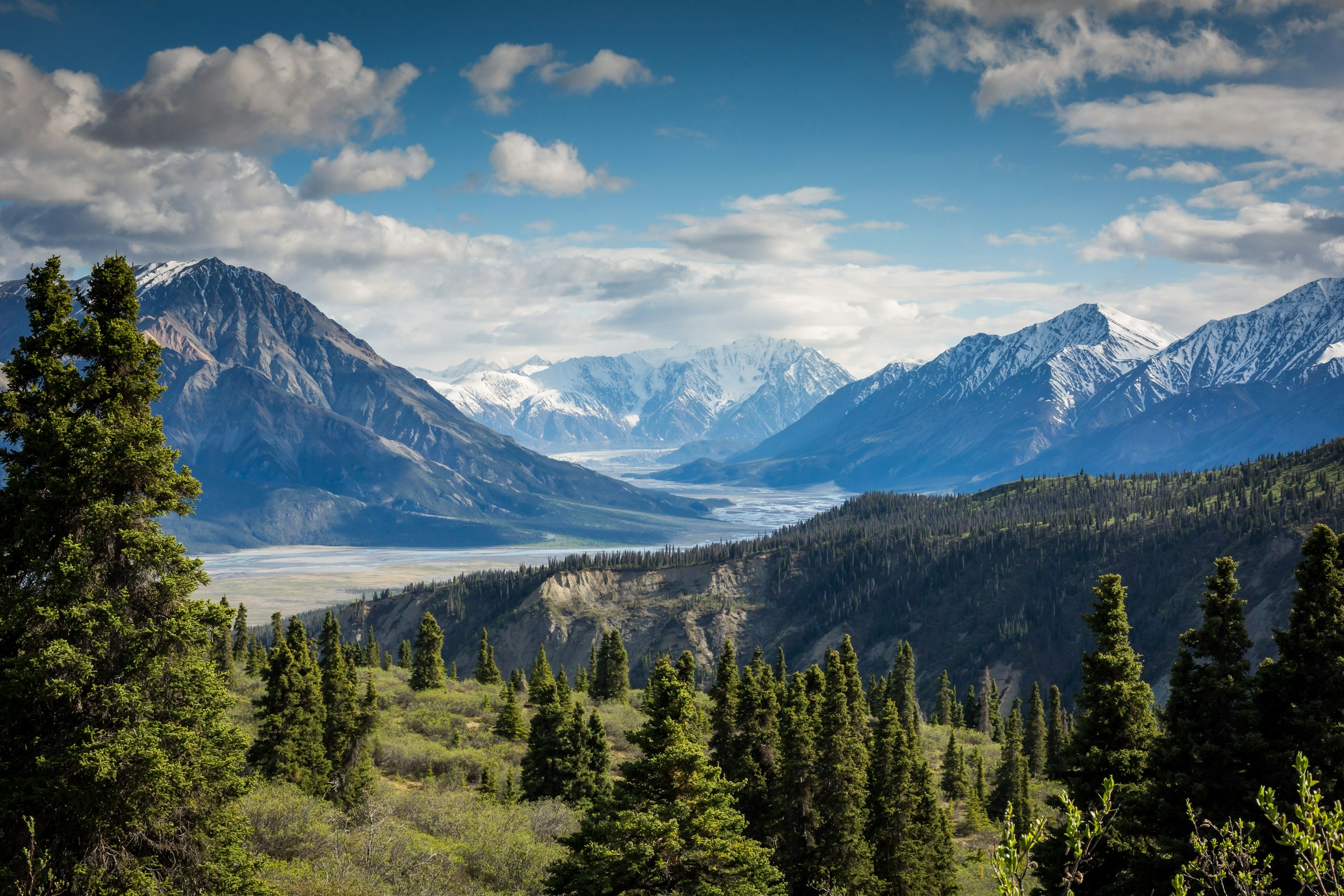
Hiking the Apuan Alps above Carrara
Marble mountains, chestnut woods, refuges serving polenta. A three-day traverse, and how to do it.
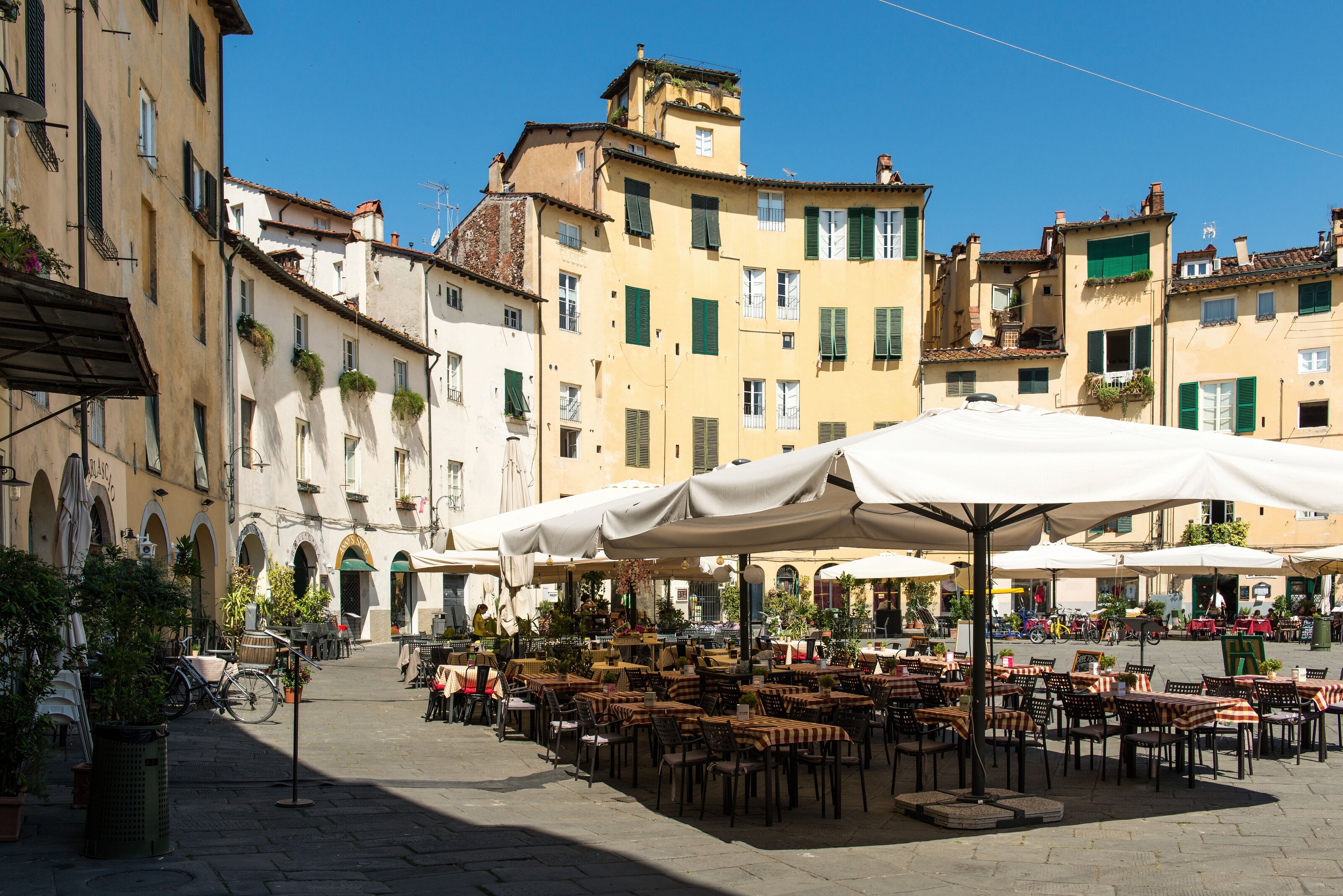
Lucca vs Florence — which to base in
Walled-city quiet versus Renaissance density. The honest comparison for visitors who want to skip the queues.