Versilia
Versilia is the strip of sandy coast in northern Tuscany between Viareggio and Forte dei Marmi, backed by the marble peaks of the Apuan Alps. It's Tuscany's classic seaside: beach clubs, Liberty-style seafronts, the arts town of Pietrasanta and Puccini's lake. Lucca is 30 minutes inland; Pisa airport 30–45 minutes.
By Giulia Moretti · Last checked 29 October 2026
What to see.
Viareggio's Passeggiata
Highlight · Versilia
Pietrasanta's piazza and foundries
Highlight · Versilia
Forte dei Marmi
Highlight · Versilia
Puccini's villa at Torre del Lago
Highlight · Versilia
About Versilia
What Versilia is
Versilia is the coastal plain of northern Lucca province, running about 20 km from Torre del Lago in the south to Forte dei Marmi in the north (the neighbouring beaches of Marina di Massa and Marina di Carrara, in Massa-Carrara, are often lumped in). The towns along it — Viareggio, Lido di Camaiore, Marina di Pietrasanta, Forte dei Marmi — merge into one long, flat line of fine sand.
What makes it different from any other Italian riviera is the backdrop. The Apuan Alps rise almost straight from the plain to nearly 2,000 metres, their marble quarries showing as white scars that look like snow. In the morning you can walk the beach; by lunchtime you can be eating in a mountain village. See our Apuan Alps traverse for the high-country version.
Versilia has been Florence's and Milan's seaside since the 19th century. The result is grand hotels, Liberty-style villas and a beach culture organised around stabilimenti balneari, private beach clubs.
The towns
Viareggio. The biggest town, with a long seafront promenade of Liberty and Art Deco buildings, a working harbour and boatyards that build superyachts. Its Carnival, held over several weekends in February, is famous for enormous satirical papier-mâché floats. Our Viareggio beaches guide covers where to swim and how to get there by train.
Torre del Lago Puccini. On Lake Massaciuccoli just south of Viareggio. Giacomo Puccini lived and is buried in his villa here, now a museum, and the open-air Puccini Festival stages his operas by the lake each July and August.
Lido di Camaiore. Family-friendly and slightly cheaper, with a long cycle path along the seafront.
Pietrasanta. The inland 'little Athens' of marble and bronze, where artists including Fernando Botero have worked with local foundries and stone workshops. The long Piazza del Duomo doubles as an outdoor sculpture gallery; the town fills with galleries and good restaurants.
Forte dei Marmi. The smartest resort on the coast, named after the fort built to guard the marble shipments. Designer shops, leafy villas, expensive beach clubs, and a well-known weekly market.
How the beaches work
Most of the Versilia coast is divided into stabilimenti: rented strips of beach with numbered rows of umbrellas and loungers, changing cabins, showers, a bar and often a restaurant. You pay per umbrella and two loungers per day; prices rise in the front rows, at weekends and in August, and in Forte dei Marmi they can be startling. Weekly rentals are cheaper per day.
Free beaches (spiagge libere) exist between clubs and at the edges of the towns. The largest stretch is in the Parco Migliarino San Rossore Massaciuccoli south of Viareggio, where the beaches of the Lecciona are backed by dunes and pine woods.
The water shelves gently and the sand is fine, which makes Versilia excellent for small children. It is not a snorkelling coast; for clear water and rocks, head to Elba or the Argentario in the Maremma.
Inland and up
The marble quarries. Guided tours run into the quarries above Carrara (in Massa-Carrara), and the village of Colonnata is famous for lardo cured in marble basins.
Mountain villages. Drive up from Pietrasanta or Seravezza to villages such as Azzano, Levigliani (with the Antro del Corchia cave) or Stazzema for cooler air and views back over the coast.
Lucca. The walled city is an easy half-day trip — see our Lucca guide.
Where to base
Viareggio. Best for car-free trips: a mainline train station, plenty of hotels and restaurants, and real town life outside beach hours.
Lido di Camaiore or Marina di Pietrasanta. Families and longer beach stays; quieter than Viareggio, cheaper than Forte.
Pietrasanta. If you'd rather dine in a piazza than on the seafront. The beach is 3 km away.
Forte dei Marmi. Polished and expensive. Book early for July and August.
A farm in the hills. Cooler nights and views, 15–20 minutes from the sea.
What to skip
Driving to the coast on a summer Sunday. The roads from Lucca and Florence are jammed in the morning and again in the evening. Take the train.
Turning up at a beach club in August without booking. Many front rows are taken by season-ticket families.
Expecting wild nature. Versilia is a built-up resort coast. For empty beaches, look south to the Maremma.
Best time to visit
June and September. Warm sea, open beach clubs and fewer people. The sweet spot.
July and August. Full season: lively, busy, expensive. The Puccini Festival runs through it.
February. Viareggio Carnival, one of Italy's biggest. Book accommodation early.
Off-season. Most beach clubs close from October to Easter, but the promenades, Pietrasanta and the mountain villages stay open.
Getting there
Trains on the Pisa–Genoa line stop at Viareggio, Pietrasanta and Forte dei Marmi–Seravezza–Querceta (the station is inland, a short bus or bike ride from the beach). Pisa to Viareggio takes about 15–20 minutes; there are also direct trains from Lucca and Florence.
By car, the A12 motorway runs parallel to the coast with exits at Viareggio, Massarosa, Versilia and Massa. Pisa airport is 30–45 minutes away.
Frequently asked.
- Where is Versilia?
- On the northern Tuscan coast in the province of Lucca, between Torre del Lago and Forte dei Marmi, with the Apuan Alps behind it. It's 30 minutes from Lucca and Pisa and about 1h 15m from Florence.
- What is the best town to stay in Versilia?
- Viareggio for a car-free trip with a train station and town life, Lido di Camaiore or Marina di Pietrasanta for families, Pietrasanta for food and art, and Forte dei Marmi for upmarket hotels and beach clubs.
- Are there free beaches in Versilia?
- Yes, though most of the coast is divided into paid beach clubs. The largest free stretch is south of Viareggio in the Migliarino San Rossore Massaciuccoli park, and there are smaller free beaches between clubs in each town.
- Can you visit Versilia by train?
- Yes. Viareggio and Pietrasanta have stations on the Pisa–Genoa line, with frequent trains from Pisa and direct services from Lucca and Florence. Viareggio station is a walk from the seafront.
Read our practical basics before you book — when to come, where to base, how to get around.
Other areas to combine.
Stories for Versilia.
Viareggio beaches — the train-accessible Tuscan riviera
Wide sand, Liberty-era beach clubs, and a station 800m from the sea. The most rail-friendly Tuscan beach town, decoded.
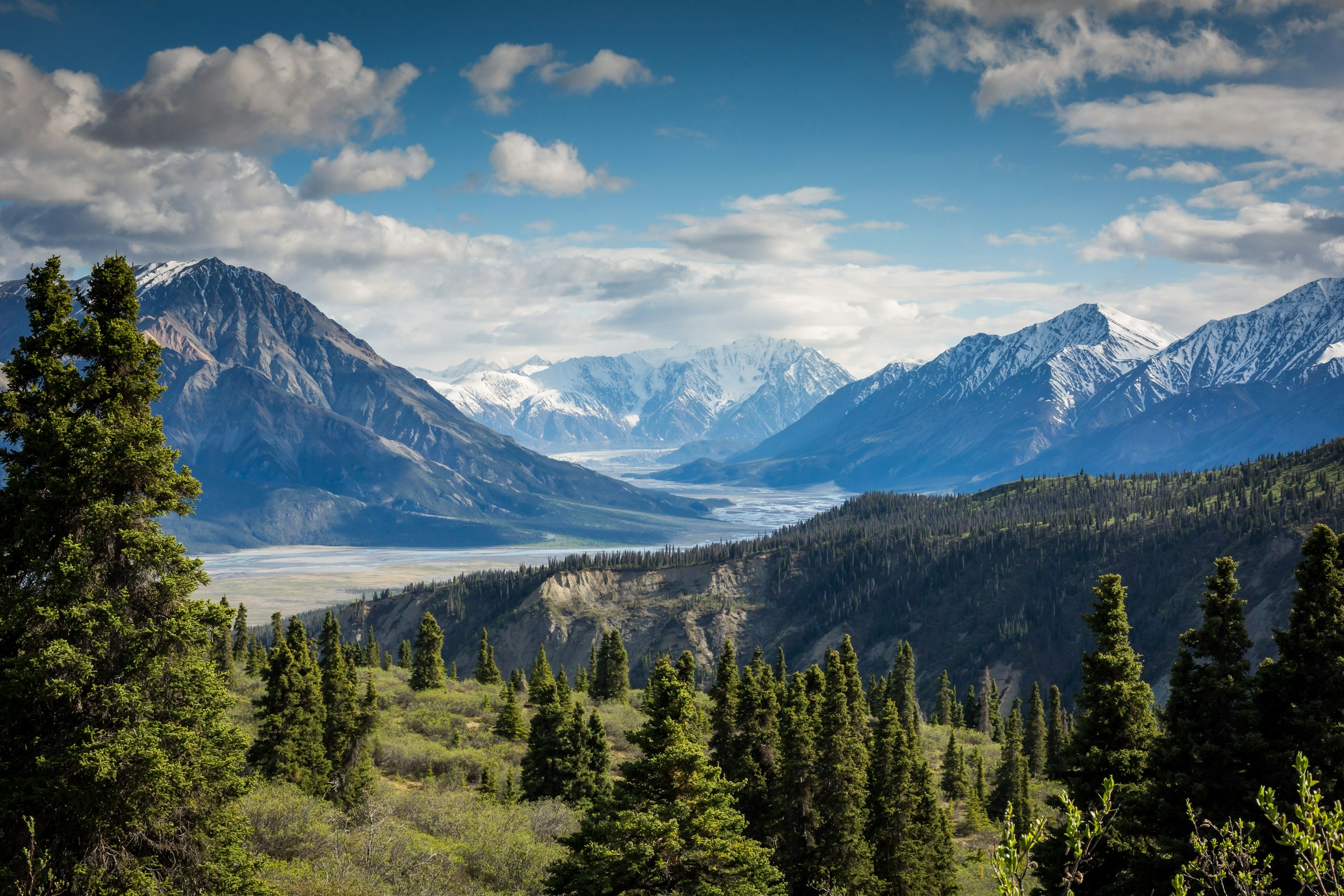
Hiking the Apuan Alps above Carrara
Marble mountains, chestnut woods, refuges serving polenta. A three-day traverse, and how to do it.
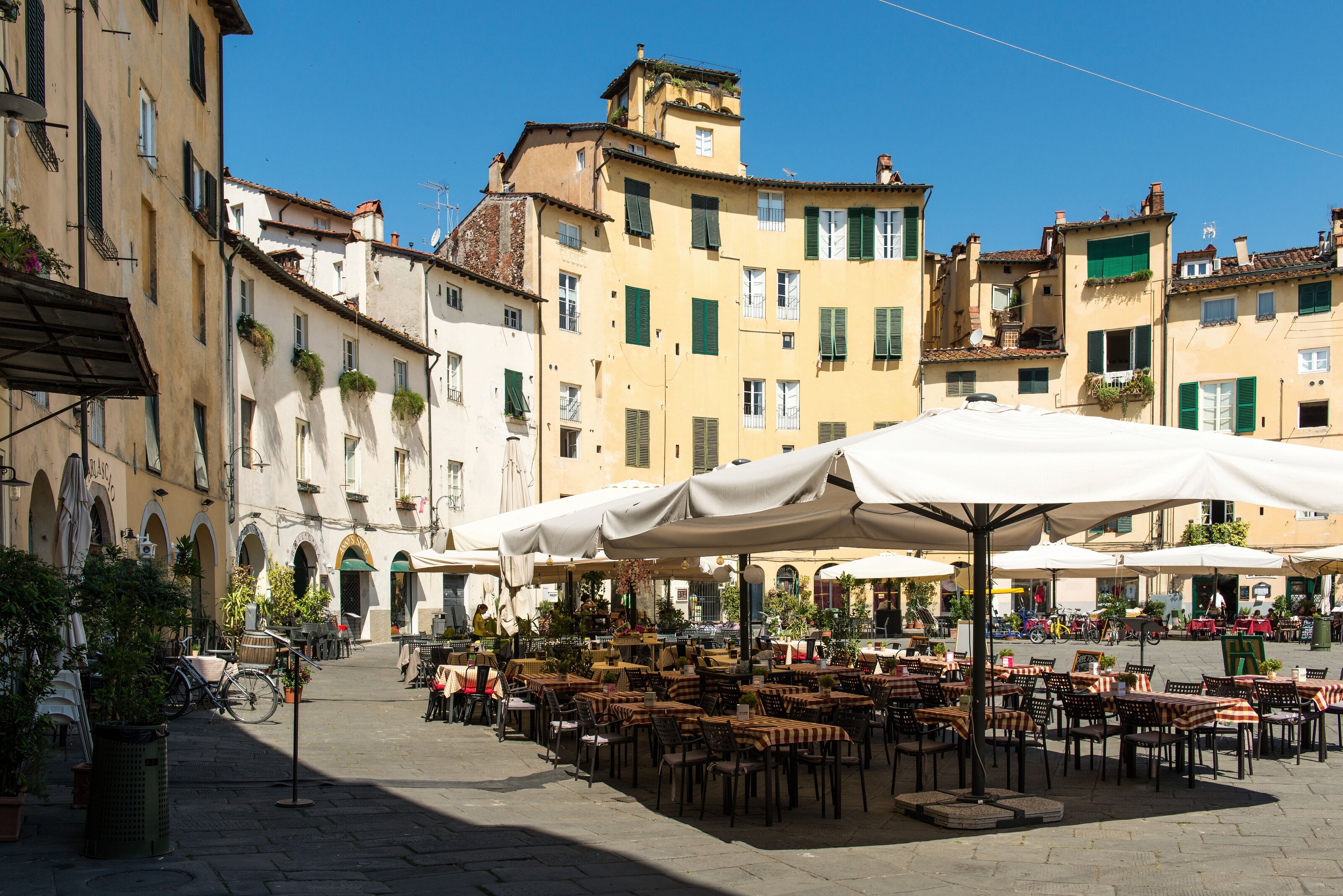
Lucca vs Florence — which to base in
Walled-city quiet versus Renaissance density. The honest comparison for visitors who want to skip the queues.